Track Saw vs Table Saw: Key Differences Explained
A track saw is the better choice for breaking down large sheets, working in a small space and getting clean, splinter-free straight cuts. A table saw is the better choice for repeat cuts, ripping solid lumber and high-volume work in a fixed shop. Many woodworkers end up wanting both, but if you can only pick one, match it to the material you cut most.
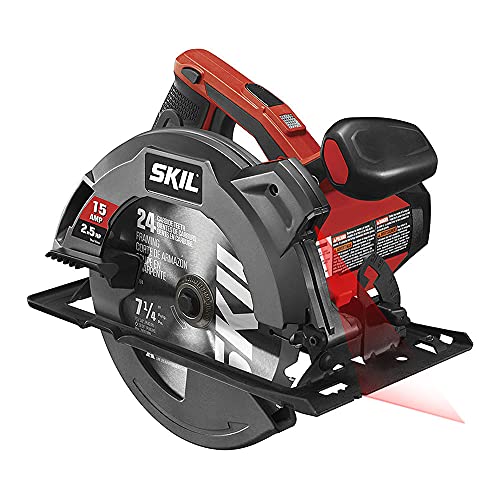 Skil 5280-01Best overall
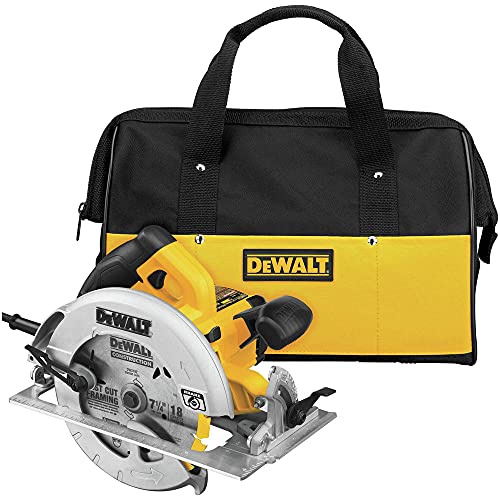 DEWALT DWE575SBBrake and widest bevel
 Skil 5080-01Lightest of the top five
How each saw works
A table saw holds the blade still while you push the wood through it. The blade rises through a flat table, and a fence guides the board at a set distance from the blade. Because the setup stays the same from cut to cut, it is very good at making many identical parts.
A track saw works the other way around. The workpiece stays put, and a handheld saw rides along a guide rail that sits on the material. A true track saw plunges down into the board, so you can start a cut anywhere on a panel. The rail also has a rubber strip that grips the surface and supports the edge, which helps prevent tear-out.
One note on terms. Our best track saw page explains that a true track saw plunges into the material and rides a guide rail. The top-ranked saws on that page are handheld circular saws, and none of them lists plunge action. If plunge cuts on sheet goods matter to you, shop for a dedicated track saw rather than a standard circular saw.
Side-by-side comparison
This table sums up the general differences. Exact capacity varies by model, so check the published specifications before you buy.
| Factor | Track saw | Table saw |
|---|---|---|
| Best material | Plywood, MDF and other sheet goods | Solid lumber and smaller panels |
| Cut style | Saw moves, material stays still | Material moves, blade stays still |
| Long straight cuts | Strong, rail guides the whole length | Harder on big sheets without support |
| Repeat cuts | Needs re-marking or a stop | Fast with the fence set once |
| Rip cuts on boards | Possible but slower | Its main strength |
| Portability | Easy to carry and store | Bulky, even jobsite models |
| Dust control | Good when paired with a vacuum | Varies by saw and setup |
| Shop space needed | Small, a flat surface is enough | A permanent or semi-permanent spot |
Which one fits cabinet making
Cabinet work starts with sheet goods, and that is where a track saw shines. A 4 by 8 sheet of plywood is awkward to push across a table saw alone. With a track saw, you lay the sheet on a sheet of foam or a pair of sawhorses and cut it where it sits. The edges come out clean, which matters on visible cabinet faces.
A table saw is stronger once the parts get smaller and repetitive. Cabinet sides, shelves and face frame stock often need many pieces cut to the same width. Set the fence once and every cut matches. Dados, rabbets and other joinery cuts are also easier on a table saw with the right blade or dado set.
For a small cabinet shop, a common pattern is to break down full sheets with a track saw, then finish parts on a table saw. If you must choose one, think about how your projects start. Mostly sheet goods and limited space points to the track saw. Mostly solid wood and production runs points to the table saw.
What to look for in each saw
For track saws, our best track saw page lists the specs that matter. Depth at 90 degrees tells you how thick a board you can cut in one pass. The saws reviewed there range from 2.4375 in to 2.5625 in. Weight affects how tiring a saw is to guide, and those saws run from 6.95 lb to 11.4 lb. Bevel range, an electric brake and a dust blower or LED also change how the saw handles.
For table saws, start with whether you need portability. Our best jobsite table saw page compares compact models that can move from site to site. If you plan to keep the saw in one place, our best table saw page covers a wider range of designs.
Blades matter as much as the saw itself. A blade built for ripping behaves differently from one built for crosscutting or plywood. See our best table saw blades comparison for general-purpose options, and our best table saw blade for ripping hardwood page if solid hardwood is your main material.
- Choose a track saw if you cut mostly plywood, MDF or doors, or if you work in a garage or on site.
- Choose a table saw if you rip a lot of lumber or need many identical parts.
- Choose a track saw if you often cut alone and cannot easily handle full sheets.
- Choose a table saw if you want dado cuts, rabbets and other joinery cuts to come from one machine.
Safety notes for both saws
Both saws can injure you quickly, so build safe habits from the first cut. Wear safety glasses and hearing protection every time. Fine wood and MDF dust is unhealthy to breathe, so use a dust mask or respirator and connect a vacuum when possible.
On a table saw, the biggest hazard is kickback, when the blade throws the board back toward you. Keep the guard and riving knife in place, stand slightly to the side of the cut line, and use a push stick for narrow pieces. Never reach over the blade, and never cut freehand without the fence or miter gauge.
On a track saw, keep both hands on the saw, keep the cord clear of the blade, and support the material so the cut-off piece does not pinch the blade. Unplug the saw or remove the battery before changing blades on either type. If the saw has an electric brake, do not rely on it as a reason to set the saw down early. Wait for the blade to stop.
How to decide in four steps
If you are still unsure, work through these steps in order.
- List the materials you cut most often, such as sheet goods, solid boards or both.
- Measure your shop space and decide whether you can leave a table saw set up.
- Decide how many identical parts you usually cut in one session.
- Pick the saw that covers your top two needs, then add the other one later if your projects demand it.
Frequently asked questions
Can a track saw replace a table saw?
For sheet goods and many straight cuts, yes. It is slower for ripping lots of boards and cannot match a table saw for dados or high-volume repeat cuts.
Is a track saw safer than a table saw?
A track saw keeps the blade moving away from your hands and avoids the kickback risk that comes with pushing wood through a table saw. Both need proper eye, ear and dust protection.
Can I use a regular circular saw with a guide rail?
Many people clamp a straightedge to guide a standard circular saw. This can give straight cuts, but it does not plunge or include the edge-support strip that a true track saw uses.
Which saw is better for a small garage shop?
A track saw usually fits better because it stores easily and needs only a flat surface to cut on. A compact jobsite table saw is the alternative if you need a fence and repeat cuts.