Can You Sharpen Circular Saw Blades at Home?
Yes, you can sharpen some circular saw blades at home, mainly plain steel blades and blades with light wear. Carbide-tipped blades are very hard and are best sent to a professional sharpening service. If a blade is cracked, bent or missing teeth, replace it instead.
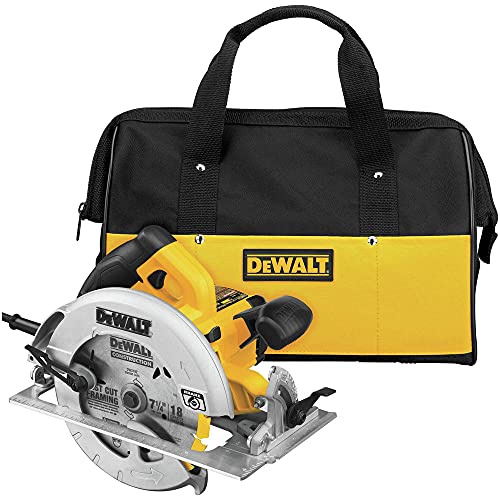 DEWALT DWE575SBWidest bevel with brake
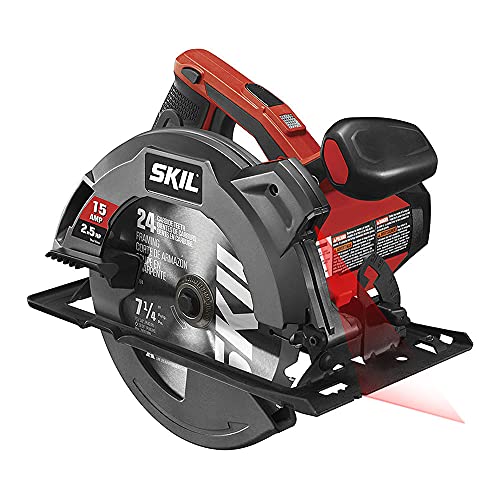 Skil 5280-01Best overall
 Skil 5080-01Light corded option
Which blades you can sharpen yourself
The answer depends on what the teeth are made of. Plain steel blades are soft enough to sharpen with a hand file. Carbide-tipped blades, which most modern circular saw blades use, have very hard tips that a standard file will not cut.
Diamond files or diamond cards can touch up carbide a little, but it is hard to keep the angles even by hand. A shop with a grinder built for saw blades does this job far more accurately.
| Blade type | Home sharpening | Best approach |
|---|---|---|
| Plain steel | Practical | Hand file, a few strokes per tooth |
| Carbide-tipped, light dullness | Limited | Diamond file touch-up or cleaning first |
| Carbide-tipped, heavy wear | Not recommended | Professional sharpening or replacement |
| Cracked, bent or missing teeth | Never | Replace the blade |
Check whether the blade is dull or just dirty
Many blades that seem dull are only coated with sawdust and resin. Pitch buildup makes a blade drag, burn the wood and cut slowly, which feels just like dullness.
Clean the blade first. Remove it from the saw, soak it in a resin remover or a warm degreasing solution, and scrub it with a nylon brush. Rinse and dry it fully. If it cuts well again, you do not need to sharpen it.
- Burn marks along the cut line
- Extra effort needed to push the saw
- Rough, splintered edges
- A louder or higher whine than usual
- Visibly rounded or chipped tooth tips
How to sharpen a steel blade by hand
Hand sharpening takes patience, but the steps are simple. Keep each tooth as close as you can to its original shape and angle.
- Unplug the saw or remove the battery, then take the blade off the saw.
- Clamp the blade firmly between two pieces of scrap wood in a vise, with the teeth just above the jaws.
- Mark your starting tooth with a marker so you know where you began.
- Use a small triangular or saw file that matches the tooth size. Follow the existing bevel and file each tooth with the same number of light, even strokes.
- Work around the blade, filing every tooth. Many blades have alternating bevels, so do every other tooth first, then flip the blade and do the rest.
- Wipe the blade clean and refit it, making sure the arrow on the blade matches the saw's rotation.
Why carbide blades are a different story
Carbide tips are brazed onto a steel body and ground to precise angles. Sharpening them removes a thin layer, and every tooth must be ground the same amount. If teeth end up uneven, the blade cuts poorly and can wobble or vibrate.
A professional service uses a machine that holds each tooth at the correct angle. Many shops can sharpen a blade several times, as long as enough carbide remains on each tooth. Once the tips are too small, replacement is the safer choice.
If you are choosing a new blade, our guide to the best circular saw blade options compares tooth counts and blade types so you can match the blade to the material you cut most.
Safety before you start
A dull blade is not harmless. It can bind, kick back and overheat, so a damaged or badly sharpened blade is a real hazard.
Always disconnect power before touching the blade. Unplug corded saws and remove the battery from cordless ones. Wear cut-resistant gloves when handling the blade, and safety glasses when filing or cleaning, since metal and resin can fly off. If you use a powered grinder on any blade, add hearing protection.
Never use a blade that is warped, cracked or missing teeth. No amount of sharpening fixes those problems.
Sharpen, send out or replace?
Think about the blade first, then the job. Light dullness on a steel blade is a good home project. A carbide blade with moderate wear is a good candidate for a sharpening service, especially a larger or specialty blade.
Replace the blade if the damage is structural, if the carbide is nearly gone, or if you want a different tooth count for finer cuts. A fresh blade can also help if your saw itself is the issue. If you are weighing a new saw, see our comparison of the best circular saw models. Band saw owners face the same question, and our pages on the best band saw blades cover that side.
Frequently asked questions
Can I use a bench grinder or rotary tool on a saw blade?
It is not a good idea. Freehand grinding makes teeth uneven and can overheat the metal, which weakens it. A saw sharpening machine or a hand file on steel is safer.
How often should a circular saw blade be sharpened?
There is no fixed schedule. Sharpen or replace it when you see burning, tear-out or extra push effort, and after cleaning does not fix the problem.
Does a dull blade make my saw work harder?
Yes. The motor has to push through the material with more force, which creates heat and strain. Cutting with a sharp, clean blade is easier and safer.
Can I sharpen a blade that has chipped carbide teeth?
Only a professional can judge that. A single small chip may be ground out, but several chipped or missing tips usually mean the blade should be replaced.