Can You Rip With a 40 or 60 Tooth Table Saw Blade?
Yes, you can rip with a 40 tooth blade, and it works reasonably well for thin or light cuts. A 60 tooth blade can rip in a pinch, but it is built for crosscuts and cuts slowly, clogs easily and is more likely to burn the wood. For regular ripping of solid lumber, a 24 to 30 tooth blade is the better tool.
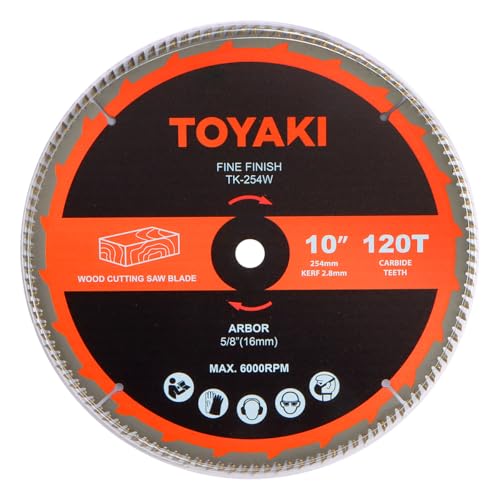 TOYAKI TK-254WBest overall
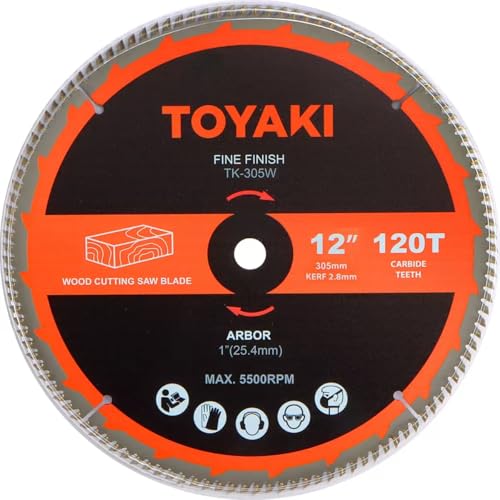 TOYAKI TK-305WTied for largest diameter
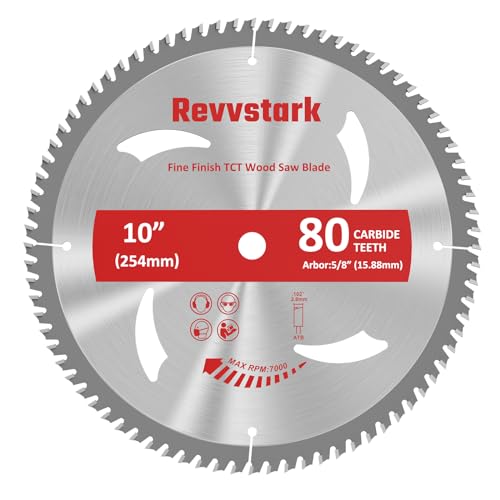 Revvstark aced8abf-b0fd-4386-aca0-7310064ea644Anti-kickback tooth design
The short version: it works, but not well
Ripping means cutting along the grain, usually to narrow a board. Crosscutting means cutting across the grain. Table saw blades are designed for one job or the other, or they try to split the difference.
A 40 tooth blade is often sold as a combination or general purpose blade, so it has some rip ability built in. A 60 tooth blade is typically a crosscut or fine finish blade. Both will physically cut along the grain, but neither clears wood as efficiently as a blade made for ripping.
The more teeth a blade has, the more work it does for every turn, and the less room it has to clear sawdust. That tradeoff is the heart of this question.
Why tooth count matters for ripping
When you rip, the blade is cutting long wood fibers lengthwise. This removes a lot of material in a steady stream. A ripping blade needs deep gaps between its teeth, called gullets, to carry that sawdust out of the cut.
A rip blade with fewer teeth has larger gullets and takes bigger bites. It cuts faster, runs cooler and puts less strain on the motor. Each tooth is usually shaped with a flat top and an aggressive hook angle, which helps it chop the fibers cleanly as the board feeds through.
A 60 tooth blade has smaller gullets and more teeth sharing the work. Each tooth takes a tiny bite, and the tooth shape is usually made to slice across fibers rather than chop along them. When ripping, the gullets fill with dust, friction rises and the blade heats up. That heat shows up as burn marks on the board.
40 tooth vs 60 tooth for ripping
A 40 tooth blade sits in the middle. Many sources suggest a 24 to 30 tooth blade for ripping solid wood, and say a 40 to 50 tooth multipurpose blade can also do it, only more slowly. That matches how these blades behave in practice.
The table below sums up what to expect when you use each blade to rip.
| Blade | Ripping speed | Cut finish | Burn risk | Best use |
|---|---|---|---|---|
| 24 to 30 tooth rip blade | Fastest | Slightly rough edge | Lowest | Solid lumber, long rips |
| 40 tooth general purpose | Moderate | Fairly smooth | Moderate | Mixed work, occasional rips |
| 60 tooth crosscut or fine | Slowest | Very smooth | Highest | Crosscuts, plywood, trim |
When a 40 or 60 tooth blade is fine for ripping
There are good reasons to leave your current blade on the saw. Swapping blades takes time, and a few rip cuts do not always justify it.
A 40 tooth blade makes sense in these cases:
- You only rip now and then and do most of your work in other cuts.
- The boards are thin or soft, such as pine or poplar.
- You want a cleaner edge and plan to do little sanding afterward.
- You run a small saw and want to avoid the extra strain of a big bite.
When you should switch to a rip blade
Thick or dense stock is where the wrong blade causes trouble. A 60 tooth blade pushed through a thick hardwood board will heat up, burn the edge and ask a lot of the motor. A dull or dirty blade makes this worse.
Switch to a dedicated rip blade when you face any of these:
- Thick boards, or a long run of rip cuts in one session.
- Dense hardwoods such as oak or maple, where burning shows up fast.
- A smaller or lower powered saw that bogs down easily.
- Cuts where you notice smoke, a burning smell or the motor straining.
How to rip safely with a higher tooth blade
Ripping is the cut most likely to cause kickback, where the saw throws the board back toward you. A blade that clogs or binds raises that risk, so be extra careful when using a 40 or 60 tooth blade for ripping.
Slow your feed rate. Forcing the board makes the blade bind. Let the teeth cut at their own pace, and feed steadily without stopping mid-cut. If you see smoke or smell burning, stop, switch the saw off, wait for the blade to stop and check the setup.
Keep the fence parallel to the blade, and use a splitter or riving knife to keep the cut open behind the blade. Use a push stick for narrow rips so your hands stay clear. Stand to the side of the blade path, not directly behind the board.
Wear eye protection and hearing protection every time. Unplug the saw before you change a blade, and make sure the blade is clean and sharp. Pitch buildup on the teeth is a common reason a decent blade starts to burn wood.
Choosing the right blade for your saw
If ripping is a regular part of your work, a dedicated blade pays off in speed and cut quality. Our guide to the best table saw blade for ripping hardwood compares options built for heavy rip work.
If you are shopping for a handheld saw instead, the best circular saw blade page covers the same tooth count tradeoffs for that tool.
Your saw matters too. A compact saw has less power to spare, so blade choice matters more. If you are still choosing a saw, see our best jobsite table saw comparison to see how models differ.
Frequently asked questions
Is a 40 tooth blade good for both ripping and crosscutting?
It is a reasonable compromise. A 40 tooth blade does both jobs adequately, but a dedicated blade will outperform it at either one.
Will ripping with a 60 tooth blade damage it?
It will not ruin the blade right away, but heat and pitch buildup dull the teeth faster. Heavy ripping with it can also burn the wood and strain the motor.
Why does my blade burn the wood when I rip?
Common causes are a dull blade, a dirty blade, a feed rate that is too slow, a fence that is not parallel or too many teeth for the cut. Clean or replace the blade and check the fence alignment.
Can I use a 24 tooth blade for plywood?
You can, but it tends to leave a rough edge and may chip the surface. A higher tooth count blade usually gives a cleaner cut on plywood.