Why a Circular Saw Kicks Back and How to Stop It
A circular saw kicks back when the spinning blade gets pinched, twisted, or snagged in the wood and the teeth throw the saw back toward you or up out of the cut. The most common causes are a closing cut, a blade that is dull, dirty, or misaligned, and an unsupported workpiece. You prevent it by supporting the wood so the cut stays open, using a sharp clean blade set to the right depth, and keeping a firm two-handed grip with your body out of the saw's line.
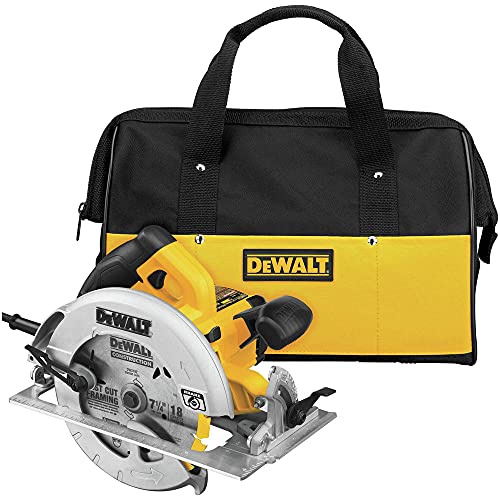 DEWALT DWE575SBWidest bevel with brake
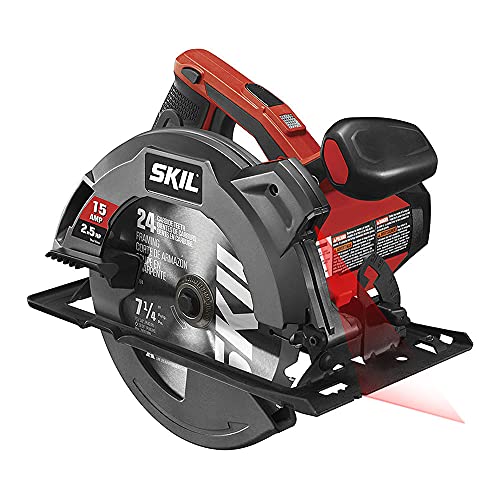 Skil 5280-01Best overall
 Skil 5080-01Light corded option
What kickback actually is
Kickback is a sudden, violent reaction. The blade teeth at the back of the blade rotate upward out of the wood. If those teeth bind, the saw can climb up the cut and jump back toward the operator in a fraction of a second.
This is why people ask why circular saws cut upwards. The rear of the blade moves up through the material, so the saw naturally wants to lift and ride out of the cut. Normally the base plate and your downward pressure hold it flat. When the blade binds, that upward force wins.
A saw that kicks back can also drop and keep spinning, which is why the guard and a proper stance matter as much as understanding the cause.
Why the cut closes on the blade
The top cause of kickback is pinching. As you cut, the wood can sag, shift, or spring, and the kerf (the slot the blade leaves) squeezes shut on the blade. A pinched blade stalls, then the saw leaps.
This is also the answer to why a saw kicks back at the end of a cut. As the cut nears the end, the offcut loses its support. If it drops, it can twist and close the kerf on the blade just before you finish. If the board is held up only at the ends, the middle sags and pinches the blade the same way.
The fix is to support the wood on both sides of the cut line so the kerf stays open, or so the offcut can fall away freely without pulling on the blade. Never support only one side and let the other hang unsupported.
Blade, depth, and saw condition
Even with good support, a poor blade or setup can cause binding. A dull blade needs extra force and drags in the cut. Sap or pitch buildup adds friction and heat. Overheating can warp a blade, which makes it wander and rub the sides of the kerf.
Blade depth matters too. Set the blade so it extends only a little below the underside of the material. A deeper blade exposes more teeth, gives the saw more leverage to climb, and increases the hazard if something goes wrong.
Check the saw itself before you start. A bent base plate, a loose blade bolt, or a sticky lower guard all raise the risk. If you are shopping for a replacement, our best circular saw blade comparison covers tooth counts and blade types, and the best circular saw page compares saws by their published features.
Technique that keeps the saw under control
Good habits stop most kickback before it starts. Work through this order every time:
- Unplug the saw or remove the battery before changing blades or adjusting depth.
- Mark the cut line and check that the blade is sharp, clean, and tight.
- Set the depth so the blade clears the bottom of the material by a small amount.
- Support the workpiece on both sides of the cut and clamp it down.
- Rest the front of the base plate on the wood with the blade clear of it, then start the saw and let it reach full speed.
- Push steadily and let the blade do the work, without forcing it.
- Keep the base plate flat on the wood and follow the line without twisting.
- Hold the saw with both hands and stand slightly to one side of the blade path, not directly behind it.
- If the saw binds, release the trigger and hold the saw until the blade stops before you pull it free.
Common causes and fixes at a glance
This table pairs each usual cause with the habit that prevents it.
For more on matching the blade to your material, see our guide to the best circular saw blades.
| Cause | What happens | How to prevent it |
|---|---|---|
| Cut closes (pinching) | Kerf squeezes the blade and the saw jumps | Support both sides so the kerf stays open |
| Offcut drops at the end | Falling piece twists and binds the blade | Let the offcut fall free or support it fully |
| Dull or dirty blade | Extra drag and heat | Replace or clean the blade |
| Twisting the saw in the cut | Blade rubs the kerf wall | Keep the base flat and cut straight |
| Blade set too deep | More teeth exposed, more leverage | Set depth just past the material |
| Starting with blade touching wood | Teeth grab on startup | Start at full speed before contact |
Safety notes
Wear safety glasses and hearing protection every time you cut. Dust and chips fly at high speed, and a saw is loud enough to damage hearing over time. Add a dust mask for sawdust, especially with treated or engineered boards.
Keep the lower guard working freely and never pin it open. Keep cords out of the cut path on corded saws, and keep your free hand away from the blade path and the back of the workpiece. Do not cut with the board held in your lap or against your leg.
Cordless saws are as capable of kickback as corded ones. If you are comparing battery models, the best cordless circular saw page lists them side by side, but technique matters more than power source. When cutting at a height, such as on a ladder or roof, get stable footing first, because a kickback while off balance is far more dangerous.
Frequently asked questions
Can a riving knife or splitter be used on a handheld circular saw?
Most handheld circular saws do not have one. Table saws use a riving knife to keep the kerf open, so on a handheld saw you rely on proper support and clamping instead.
Does cutting a wet or warped board increase the risk?
Yes. Warped or damp boards tend to move and pinch the blade as they release tension. Support them well and cut slowly, and consider making relief cuts when the board is under stress.
Should I push the saw hard to finish faster?
No. Forcing the saw overloads the blade and can cause binding and burning. A steady, moderate feed rate lets the teeth clear chips and cut cleanly.
What should I do if the saw does kick back?
Release the trigger right away and keep a firm grip until the blade stops completely. Then unplug it or remove the battery, check the blade and the wood support, and fix the cause before cutting again.