What Size Table Saw Do You Need for Home Use and Common Projects?
For most home workshops, a 10-inch table saw is the right size. It handles typical DIY and woodworking jobs, and it has the widest choice of blades and accessories. Smaller 8-1/4 inch saws work for light trim and hobby projects, but they limit how thick a board you can cut.
 Skil TS6307-00#2 on our Best Score
 EVOLUTION R10TBLXBest overall
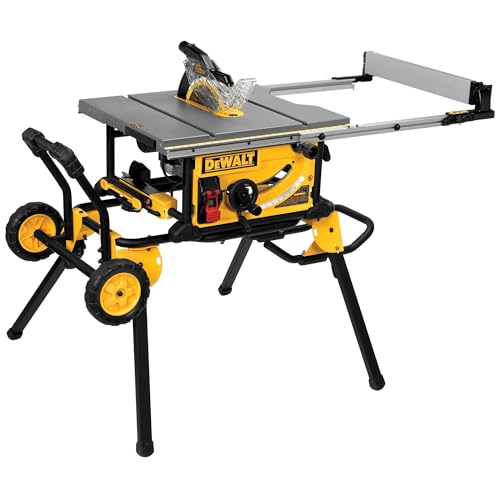 DEWALT DWE7491RSWide rip, telescoping fence
The short answer: start with a 10-inch blade
Table saws are sized by blade diameter. The 10-inch blade is the most common size, and it covers shelves, cabinets, furniture, framing lumber, and deck boards. Some compact models use 8-inch, 8-1/4 inch, or 8-1/2 inch blades instead.
Blade size matters because it sets your maximum cutting depth. A bigger blade rises higher above the table, so it can cut thicker stock. It also decides which replacement blades you can buy, and 10-inch blades come in the widest range of tooth counts and styles.
If you are unsure, pick a 10-inch saw and then decide between a portable and a stationary design. Our best table saw comparison lines up published specifications so you can narrow the field.
Blade size is only half the story
Two saws with the same blade can behave very differently. Three other dimensions matter just as much for home use.
The first is rip capacity, which is the widest board you can cut with the fence set to the far side of the blade. The second is table size, which controls how well the saw supports a long or wide workpiece. The third is maximum depth of cut, which tells you whether a single pass can get through thick lumber.
- Rip capacity: look for enough to cut a full sheet of plywood in half, or plan to break sheets down with another tool first.
- Table size: a larger surface keeps boards flat and steady. Small tables need outfeed support.
- Depth of cut: check the published figure at 90 degrees and again at 45 degrees, since it drops when you tilt the blade.
- Motor and power source: confirm the saw will run on the household circuit where you plan to use it.
Table saw sizes compared
Here is how the common categories compare for home use. These are general descriptions, so check each model's published specifications for exact numbers.
Portable and jobsite saws are the easiest to store and move. Stationary saws are heavier and steadier, and they suit a permanent shop. If you need to carry the saw to different rooms or job sites, see our best jobsite table saw page.
| Saw type | Typical blade | Best for | Main trade-off |
|---|---|---|---|
| Compact benchtop | 8-1/4 inch or similar | Small shops, trim, hobby builds | Limited depth of cut and table space |
| Jobsite | 10 inch | DIY projects, remodeling, portability | Smaller table and rip capacity than shop saws |
| Contractor or cabinet style | 10 inch | Furniture, cabinets, regular plywood work | Heavy and needs dedicated floor space |
| Large shop saw | 10 inch or 12 inch | Heavy daily use, thick hardwood | More space, more weight, and often special power needs |
What size saw for common projects
Match the saw to the work you actually plan to do. Most home projects fall into a few groups.
Shelves, small furniture, and picture frames need accurate rip cuts and crosscuts in boards that are usually under an inch thick. A compact or jobsite saw handles these well.
Cabinets and built-ins involve sheet goods like plywood. Here, table size and fence travel matter more than blade diameter. A larger table with good support, or a plan to use outfeed stands, makes a big difference.
Outdoor projects such as raised beds, benches, and decks use thicker lumber. A 10-inch blade gives you the depth you need, and a portable saw is handy when the work is away from the shop.
What size table saw cuts a 4x4?
A nominal 4x4 post is actually about 3-1/2 inches square. Many 10-inch table saws cannot cut that thickness in a single pass, so check the published maximum depth of cut before you buy.
If the saw falls short, you can make a cut, flip the post over, and cut again from the other side. Keep the fence setting and the blade height the same for both passes so the two cuts line up. Posts also tend to rock on the table, so use a miter gauge or sled that supports the full length.
Be careful with this kind of cut. Never use the fence and miter gauge together on the same cut, because the offcut can bind between the blade and the fence and kick back. For an occasional rough cut in a post, a circular saw or miter saw is often the safer choice. For curved cuts in thick stock, a band saw is a better fit, and our best band saw for home workshop page covers that.
How to choose in five steps
Use this order of decisions to avoid buying more saw than you need, or less.
- List the projects you expect to build in the next year and note the thickest and widest stock involved.
- Decide whether the saw must be portable or can stay in one spot.
- Choose a 10-inch blade unless space or storage forces a compact model.
- Compare rip capacity, table size, and depth of cut on the published specification sheets.
- Check the safety features, such as a riving knife, blade guard, and dust port, and plan where the saw will sit with room to work around it.
Safety notes before you start
A table saw is one of the more hazardous tools in a home shop, so build good habits from the first cut.
Wear safety glasses and hearing protection every time. Wear a dust mask when cutting wood or sheet goods, since fine dust is unhealthy to breathe. Avoid loose sleeves, gloves, and dangling jewelry that could catch on the blade.
Use a push stick or push block to keep your hands away from the blade, and stand slightly to one side rather than directly behind the workpiece. Keep the riving knife installed for through cuts, and unplug the saw before changing blades or making adjustments.
Plug the saw into a circuit that matches its electrical rating, and avoid thin extension cords that can overheat. Follow the manual for your specific model.
Frequently asked questions
Is an 8-inch table saw enough for a beginner?
It can be, if you mostly cut thin boards and trim. The lower depth of cut and smaller blade selection become limits once you start working with thicker lumber.
Do I need a 12-inch saw for woodworking at home?
Usually not. A 12-inch blade cuts deeper, but it adds size, weight, and motor demands that most home shops do not need.
Can I cut plywood sheets on a small table saw?
You can, but full sheets are awkward and unsafe without good support. Many people cut sheets down to a manageable size first, then finish the cuts on the table saw with outfeed support.
Should I buy a jobsite saw or a stationary saw for a garage?
If you need to roll the saw out of the way, a jobsite model saves space. If you have a fixed spot and want a larger table, a stationary saw gives you more support and stability.