How to Use a Glue Gun for the First Time: A Step-by-Step Guide
To use a glue gun, load a glue stick, plug the gun in, wait for it to heat fully, then squeeze the trigger gently to lay a small bead on one surface. Press the pieces together right away and hold them still until the glue sets. Keep your fingers away from the nozzle and fresh glue, because both are hot enough to cause real burns.
 ROMECH ROMECH - 119Best overall
 Surebonder CL-800FW-NCordless full-size option
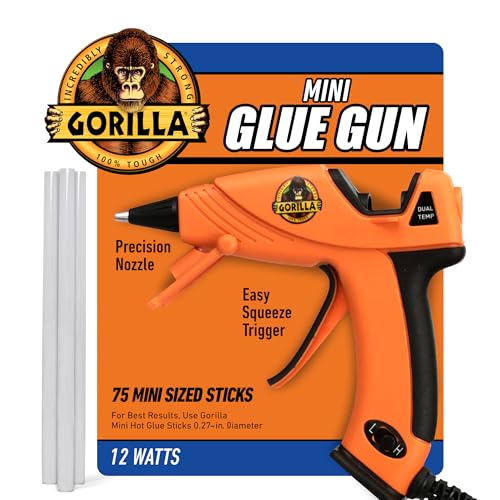 GORILLA 8401515Most sticks included
What you need before you start
A hot glue gun melts a solid glue stick and pushes it out through a metal nozzle. The glue cools fast and hardens, which is why it works so well for quick crafts and simple repairs.
Set up a clear, stable workspace before you plug anything in. Having everything within reach means you will not be tempted to rush once the glue is flowing.
- A glue gun and glue sticks that match its size (most guns take either standard or mini sticks, not both)
- A heat-safe surface, such as a silicone mat, a scrap of cardboard or a ceramic tile
- A stand or built-in kickstand so the hot nozzle never rests on your table
- Scissors or a craft knife for trimming glue strings
- The pieces you plan to join, clean and dry
Choosing the right gun and glue
If you have not bought a gun yet, match it to the work you plan to do. Small, light guns suit detailed craft projects, while larger ones suit bigger jobs and longer sessions. Our best hot glue gun for crafts page compares models for crafting, and our best glue gun page covers the wider field.
Glue sticks come in different sizes and melt temperatures. Always check the gun's manual so you buy sticks that fit. A stick that is too thick can jam the feed, and one that is too thin can slip and flow unevenly.
Many guns come in high-temperature and low-temperature versions. Low-temperature guns are gentler on foam, thin plastic and delicate fabric, and they are a friendlier choice if you are just starting out. High-temperature guns give a stronger bond on harder materials like wood and ceramics.
Step-by-step: your first glue job
Follow these steps in order. They take only a few minutes, and most beginner mistakes come from skipping one of them.
- Check the gun and cord. Make sure the cord is not frayed and the nozzle is clean.
- Load the stick. Slide a glue stick into the opening at the back until it sits snugly against the feed mechanism.
- Plug in and wait. Set the gun on its stand and give it a few minutes to heat up. The glue should be fully melted before you pull the trigger.
- Test the flow. Squeeze the trigger gently over scrap cardboard. The glue should come out smoothly. If it is stringy or thick, wait a little longer.
- Apply the glue. Hold the nozzle just above the surface and squeeze a small bead onto the item that is harder to bond, such as the more porous or textured piece.
- Press and hold. Join the pieces right away, because hot glue starts to set within seconds. Hold them still until the glue firms up.
- Finish cleanly. Release the trigger, lift the nozzle away and wipe off any glue string with a scrap once it cools. Stand the gun upright and unplug it when you are done.
Tips for a clean, strong bond
Less glue is usually better. A thin, even bead holds well and does not squeeze out at the edges. Too much glue cools unevenly and can leave bumps or a weak bond.
Work in small sections. If you are gluing a long seam, apply glue to a few inches at a time, press, then move on. Glue that has already cooled on the surface will not bond properly.
Clean surfaces matter. Dust, oil and moisture all weaken the bond. Wipe items down and let them dry first.
Use a light touch on the trigger. Pushing the glue stick by hand can force out a rush of glue and make a mess. If a stick will not feed, let the gun heat longer instead of pushing harder.
Which materials work with hot glue
Hot glue is a general-purpose craft adhesive, but it does not suit every material equally. This table gives a general guide to how it behaves on common surfaces.
| Material | How hot glue works | Tip |
|---|---|---|
| Paper and cardboard | Good for quick, light bonds | Use a small dot to avoid warping |
| Fabric | Fine for decoration, not for items that get washed | Use low-temperature glue on delicate cloth |
| Wood | Solid bond on clean, dry surfaces | Roughen very smooth surfaces slightly |
| Foam | Works, but high heat can melt it | Choose a low-temperature gun |
| Metal and ceramic | Holds light items | Glue cools quickly, so work fast |
| Smooth plastic | Bond can be weak | Test on a scrap piece first |
Safety notes you should not skip
Melted glue is hot enough to blister skin, and it sticks as it burns. Nozzles and metal tips stay hot too, even after you let go of the trigger.
Keep these habits every time you use the gun:
- Never touch the nozzle or the glue as it comes out. If you get glue on your skin, run it under cool water right away and do not peel it off.
- Always use the stand and never lay a hot gun on its side on a table or fabric.
- Unplug the gun when you finish or step away. Do not leave it heating unattended, and keep it away from children and pets.
- Keep the cord clear of walkways and away from the hot nozzle.
- Work in a ventilated space, since heated glue can give off fumes.
- Consider wearing safety glasses if you are working on something that could snap or fling off small pieces.
Cleaning up and storing your gun
Let the gun cool completely before you put it away. Wipe the nozzle only while it is warm, using a scrap of cloth, and be careful not to touch the metal.
Remove strings and drips from your project by trimming them with scissors once they are cool. Peeling glue off your work surface is easiest when you use a silicone mat or a piece of baking parchment.
Store the gun upright or in a box where the nozzle will not get knocked or bent. Keep unused glue sticks in a cool, dry place so they stay clean and ready to use.
Frequently asked questions
How long does a glue gun take to heat up?
It varies by model, but most need a few minutes. The glue should flow smoothly during a test squeeze before you start on your project.
Why is my glue gun leaking or dripping?
Some dripping is normal when the gun is hot. Rest it on its stand, and wipe the nozzle with a cloth while it is warm. Heavy leaking may mean the stick is the wrong size or the nozzle is worn.
Can I use the glue gun outdoors or on items that get wet?
Hot glue is mainly for indoor craft use. Moisture and heat can soften or weaken the bond, so use a different adhesive for items that face weather or washing.
How do I remove hot glue from a surface?
Let it cool and harden, then peel or scrape it gently. On non-delicate surfaces, rubbing alcohol on a cloth can help loosen leftover residue. Test on a hidden spot first.
Do I need to wait for the gun to cool before changing glue sticks?
You can often push a new stick in behind the old one while the gun is warm, but never touch the nozzle. Unplug and let the gun cool before doing anything more than that.