How to Change a Table Saw Blade and Choose the Right Size
Most jobsite table saws, including the DEWALT DWE7491RS and the other four saws on our spec sheet, list a 10 in blade. To change one, unplug the saw, lower the blade, remove the throat plate, lock the arbor, loosen the nut, and fit the new blade with the teeth pointing toward the front of the saw. Pick the blade by the cut you make most: fewer teeth for ripping, more teeth for crosscuts and plywood.
 EVOLUTION R10TBLXBest overall
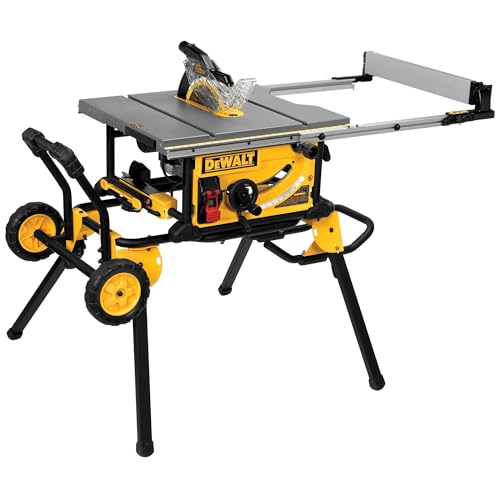 DEWALT DWE7491RSWidest rip capacity
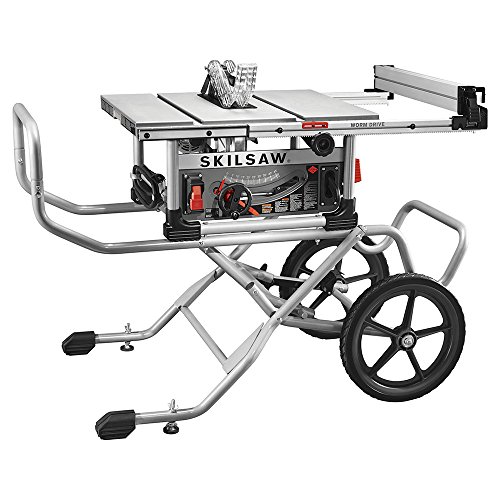 SKILSAW SPT99-11Deepest cut at 90°
What blade size your saw takes
Your saw's manual and the label near the blade are the final word on size. The five jobsite saws on our comparison page all list a 10 in blade diameter, and that includes the DEWALT DWE7491RS, the saw many readers ask about. Our full spec sheet is on the best jobsite table saw page if you want to compare them side by side.
Diameter is only one part of the fit. The center hole, called the arbor hole, must match the saw's arbor. Many 10 in saws use a 5/8 in arbor, but confirm that in your manual instead of assuming. The blade's kerf, which is the width of the slot it cuts, also needs to work with your riving knife, which sits behind the blade. A blade much thicker or thinner than the knife can bind or let the board pinch.
Do not put a larger blade on a saw than the maker allows. The guard, riving knife and throat opening are built around one diameter. An oversized blade can hit them, and an undersized one reduces your cutting depth.
What to gather before you start
Set up a clean, well-lit spot with the saw on a stable surface. Having everything within reach keeps you from reaching over an exposed blade or leaving the saw plugged in while you hunt for a tool.
- The wrench or wrenches supplied with the saw (DEWALT's listing mentions wrenches in its onboard storage)
- A replacement blade that matches your saw's diameter and arbor size
- Work gloves, since old blades can be sharp and may have sap or grit on them
- A soft brush or rag to clear dust from the arbor and throat area
- Your owner's manual, for the exact arbor lock and nut direction
How to change the blade, step by step
The details differ between models, so treat this as the general order and let your manual settle the specifics. Safety comes first: always unplug the saw, not just switch it off. A saw with a soft start or a brake can still be live at the outlet, and an accidental start with your hand near the blade can cause a severe injury.
- Unplug the saw and wait until the blade has fully stopped.
- Remove the blade guard assembly if it is in the way, then lift out the throat plate (the insert around the blade).
- Raise the blade to its highest position so the arbor nut is easy to reach.
- Engage the arbor lock, or hold the blade with a wood block or gloved hand as your manual allows, and loosen the nut with the wrench. Check the manual for the turning direction, because some saws use a thread direction that surprises people.
- Remove the nut and outer washer, noting the order, then slide the old blade off.
- Wipe the arbor and washers clean, since resin or dust can keep a blade from seating flat.
- Fit the new blade with the teeth pointing toward the front of the saw, in the direction of the cut. The teeth at the top of the blade should tilt toward you.
- Replace the washer and nut and tighten snugly with the wrench. Do not over-tighten, and do not use a hammer or extension on the wrench.
- Refit the throat plate, riving knife and guard. Spin the blade by hand to confirm it clears everything.
- Plug the saw in, stand to one side of the blade path, and run it briefly before cutting.
Choosing the right blade for the job
Size gets the blade onto the saw, but tooth count and tooth shape decide how the cut looks and feels. As a general rule, fewer teeth remove material fast and suit ripping along the grain. More teeth give a smoother finish and suit crosscuts and sheet goods. The table below summarizes the common types.
If you also own a handheld saw, note that circular saw blades follow similar rules but are not interchangeable with table saw blades in every case. Our best circular saw blade page covers that side of the shop.
| Blade type | Typical teeth | Best for | Watch out for |
|---|---|---|---|
| Rip blade | Around 24 | Cutting boards along the grain | Rougher edge on crosscuts |
| Combination blade | Around 40 | Mixed work on a jobsite | A compromise for both rips and crosscuts |
| Crosscut or fine-finish blade | Around 60 to 80 | Plywood, trim and clean crosscuts | Slower in thick stock and can overheat on long rips |
| Dado set | Varies by set | Grooves and dadoes | Needs a compatible insert and enough arbor length |
How long a blade lasts
There is no honest single number for blade life. It depends on the blade's quality, what you cut, how fast you feed the board, and how well you keep it clean. Treated lumber, plywood glue lines and abrasive materials wear teeth faster than clean softwood. A blade used a few times a month will outlast one used all day on a site.
Watch for signs instead of counting hours. Burn marks on the wood, more tear-out, a louder or rougher sound, or needing to push harder are all clues. Pitch and resin buildup can cause some of these problems, so try cleaning the blade before you replace it. Many carbide-tipped blades can be resharpened, but a blade with chipped or missing teeth should be retired, not run.
Safety and setup after the swap
After a blade change, check the saw before the first real cut. Make sure the riving knife lines up with the blade, the anti-kickback pawls move freely, and the guard is back in place. Several saws on our page list a riving knife and pawls, and they only help if they are installed correctly.
Wear eye and hearing protection every time you cut. A table saw is loud, and chips and dust can fly. Use a push stick near the blade, keep your hands out of the blade path, and never stand directly behind a board in case of kickback. If your saw has a blade brake, remember it only helps once you cut power; it does not replace careful handling. On our spec sheet only the Evolution and the Bosch mention one, so check your own saw's listing.
Frequently asked questions
What size blade does a jobsite table saw use?
All five saws on this page list a 10 in blade diameter. Always match the blade to the size stated in your saw's manual, since the wrong diameter or arbor fit can be unsafe.
How do I change a jobsite table saw blade?
Unplug the saw, lower the blade and remove the throat plate. Lock the arbor, loosen the nut with the supplied wrench, swap the blade with teeth pointing toward you at the front, tighten, and refit the plate. Follow your manual and wear gloves.
How long does a table saw blade last?
There is no fixed number, because it depends on the material, the blade quality and how often you cut. Replace or sharpen a blade when cuts burn, tear out or need more push force. Cleaning off resin can help first.
Which of these saws list a blade brake?
Only two listings mention one. The Evolution lists an electronic blade brake, and the Bosch describes a brake that stops the blade in approximately three seconds. The other three listings do not mention a brake, so confirm with the maker.