Headlight vs Headlamp: What Is the Difference?
In everyday use, headlight and headlamp are often the same thing. In the strictest usage, a headlamp is the light unit itself and a headlight is the beam it throws. For a car, treat them as the same part when shopping. For a light you wear on your forehead, headlamp is the standard word.
 AKNEAR FR-GTK9800-K1Most modes, longest beam
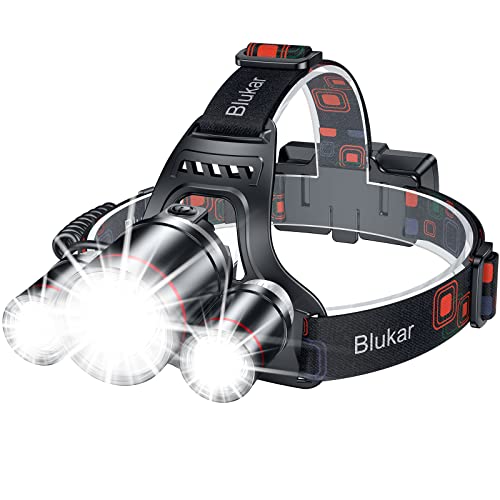 Blukar K9116Balanced everyday middle ground
 Curtsod Hl-99000Lightest with hands-free switch
Why the two words get mixed up
Both words describe a light that points where you are heading. Over time, people started using them as synonyms, and most stores, parts catalogs and product listings do the same.
Some references draw a fine line. The headlamp is the physical device, including the housing, lens, bulb or LED. The headlight is the light that comes out of it. By that logic, you replace a headlamp, and you aim a headlight.
That line is not followed everywhere. A listing for a forehead light might say headlight, headlamp or both. Read the description and photos instead of relying on the word alone.
Headlight vs headlamp on a car
On a vehicle, you will see both terms in repair guides and parts listings. Most of the time they point to the same front lighting unit.
The word that matters more is assembly. A headlight assembly usually means the whole unit: housing, lens, reflector or projector, and often the bulb sockets. A bulb alone is just a bulb. If your lens is cloudy or cracked, you usually need the assembly, not just a bulb.
When you search for a part, use your car's year, make, model and trim. Left and right sides are different parts, and trims can change the shape or the connector. Check the fitment list instead of trusting the word headlight or headlamp.
Headlight vs headlamp when you wear it
For a light worn on your head, headlamp is the common term. It is what outdoor brands and most shoppers use. Some people say headlight, and it is not wrong, but headlamp helps you find the right products when you search.
A wearable headlamp is a small lamp on an elastic band. Its job is to keep your hands free for hiking, camping, running, fishing, repairs and power outages. Key features include brightness, beam distance, weight, water resistance and extras such as red light.
Our best headlamp page lists these specs side by side, so you can compare models without guessing.
Quick comparison
Here is how the words are used in each setting.
| Setting | Common word | What it means | What to check when buying |
|---|---|---|---|
| Car, strict usage | Headlamp | The lighting unit | Fitment for your year, make, model and trim |
| Car, strict usage | Headlight | The beam of light | Aim and beam pattern |
| Car, everyday usage | Either | The front lighting unit | Assembly or bulb only |
| Wearable light | Headlamp | A light on a headband | Lumens, weight, water resistance, runtime |
| Wearable light | Headlight | Same as headlamp | Same specs as above |
What to compare on a wearable headlamp
If you are shopping for the wearable kind, a few specs matter more than the name. Lumens tell you peak brightness, but that is not what you get all night. Two models on our page list 99000 lm, while others list 1500 lm to 8000 lm. Compare beam distance and runtime on high too.
Weight changes comfort. Listed weights on our page run from 0.96 oz to 11.99 oz. For example, the Curtsod 2-pack lists 0.96 oz and a motion sensor switch. The Blukar K9116 lists 9.74 oz, 8000 lm, IPX6 and a red light, which is a balanced fit for many home tasks.
- Brightness: look at lumens, but also beam distance and runtime on high.
- Weight: lighter suits running, heavier with a bigger battery suits camp and work.
- Water resistance: IPX6 handles strong water jets, and IPX7 or higher survives short dunks.
- Red light: keeps your night vision at camp.
- Adjustable focus: switches between a wide beam for close work and a narrow beam for distance.
- Charging: USB-C means one cable for most devices.
Safety notes
Do not look straight into a bright headlamp, and do not point it at another person's face. High-output models can cause discomfort and temporary dazzle at close range.
If you use a headlamp on a ladder or roof, check your footing first. A beam that moves with your head can make you lose track of where your hands and feet are.
Check the water rating before using a lamp in rain or near water. One model on our page lists only IP54, which suits dry or light-splash use. Charge lithium batteries with the cable provided, and stop using a unit that swells or gets hot.
For a car, never work on headlight wiring with the battery connected. Some bulb types, such as halogen, get very hot, so let them cool before touching them. Do not touch a halogen bulb glass with bare fingers, since skin oils can shorten its life.
How to decide
Start with the job. If you are replacing a car part, search by vehicle details and look for the word assembly. If you want light on your head, search for headlamp and compare the specs that match your tasks.
Then use a spec sheet. Our headlamp comparison notes missing specs instead of guessing, which helps when a listing leaves out something you care about.
Frequently asked questions
Is a headlamp the same as a headlight?
Usually, yes. Many people and stores use the words as synonyms. A strict reading calls the headlamp the device and the headlight the beam.
Which word should I search for when buying a wearable light?
Headlamp. It is the standard term for a light on a headband, and it will bring up the most relevant products.
Does headlight assembly mean the same as headlamp?
Not always. An assembly usually means the full unit with housing, lens and bulb sockets, while a bulb is only the light source.
Can I wear a headlamp for running?
Yes. Look for a lighter model with a snug elastic band and a tilt hinge, and a water rating that fits your weather.