Can You Wash Welding Gloves? Cleaning and Drying Tips
You can clean welding gloves, but you should not machine wash or tumble dry them. Spot clean the leather by hand with a damp cloth and a little saddle soap or leather cleaner, then air dry the gloves away from direct heat. Soaking and hot dryers stiffen leather, shrink it and can damage the liner, so gentle cleaning is the safe way to go.
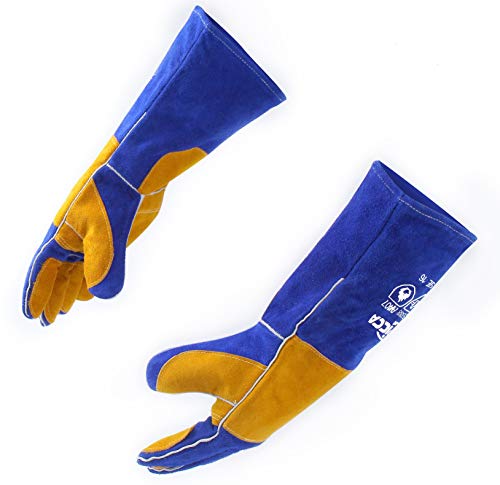 RAPICCA 7169a460-6cc9-4f72-b127-964f3fc0117aBest overall
 TICONN Ticonn-1702Highest listed heat rating
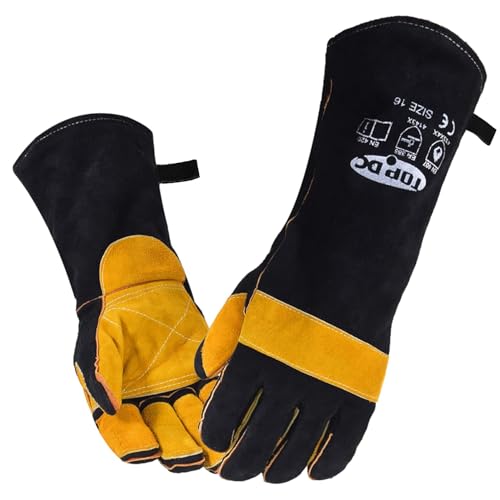 TOPDC TD-GL16Most pairs included
Why washing welding gloves is risky
Welding gloves are built in layers. Several of the gloves on our spec sheet, including the RAPICCA, TICONN and TOPDC models, list a leather outer, an aluminum foil middle layer and a cotton liner. Water, agitation and heat can stress every one of those layers in different ways.
Leather is the biggest concern. When it gets soaked and then dried quickly, the natural oils leave and the hide turns stiff, shrinks and can crack along the creases. A stiff glove is harder to work in, and cracks are weak points where sparks and hot metal can reach your skin.
Seams matter too. Five of the six gloves on our best welding gloves comparison list Kevlar stitching, which is there to help seams hold up near heat. Hard scrubbing and repeated soaking are not good for any stitched seam, so treat the gloves gently.
How to clean leather welding gloves by hand
Hand cleaning works well for dirt, dust and light grime. Plan on about ten minutes of work plus drying time. Do not use gasoline, solvents or harsh chemicals, because leftover fumes and residue can be flammable.
- Knock off loose debris. Slap the gloves together outdoors and brush away grinding dust, ash and flaking scale with a soft brush.
- Wipe with a barely damp cloth. Use cool or lukewarm water. The cloth should be damp, not dripping.
- Add a little saddle soap or leather cleaner to the cloth and work it over the palms, fingers and cuffs in small circles. Pay extra attention to the cuff edge, where sweat and grime collect.
- Wipe off the soap residue with a second clean damp cloth. Soap left on the leather can dry into a stiff film.
- Blot the gloves with a dry towel to pull out surface moisture. Do not wring or twist them.
- Shape the gloves, then let them dry. Details are in the drying section below.
Can you put welding gloves in the washing machine or dryer?
It is best to say no to both. A washing machine soaks the leather all the way through and tumbles it for a long time. A dryer adds heat, which pulls moisture out of the hide too fast and leaves it hard and warped.
The layered construction makes this worse. A cotton liner holds water for a long time, and a foil layer between leather and cotton can crease or separate when the glove is twisted and tumbled. That layering is part of how these gloves hold back heat, so damaging it defeats the purpose of the glove.
| Method | Okay for leather welding gloves? | Why |
|---|---|---|
| Brushing off dry debris | Yes | No moisture, no risk to the leather |
| Spot cleaning with damp cloth and saddle soap | Yes | Limits how much water reaches the layers |
| Short rinse in cool water | Only if needed | Dry slowly and condition afterward |
| Washing machine | No | Soaks the liner, stiffens and shrinks leather |
| Clothes dryer | No | High heat hardens and warps leather |
| Hanging near a heater or in direct sun | No | Dries too fast and cracks the leather |
Drying and conditioning your gloves
Drying is where most cleaning mistakes happen. Hang the gloves or lay them flat in a room with decent airflow, out of direct sun and away from heaters, stoves and vents. Let them dry fully, which can take a day or more.
Stuffing the fingers loosely with a dry cloth or paper helps them keep their shape. Swap it out if it gets damp. While the leather is still slightly flexible, work the gloves with your hands a few times to keep them from drying stiff.
Once they are completely dry, you can apply a small amount of leather conditioner to the outside if the leather feels dry. Use only a thin coat and wipe off any extra. Skip conditioner on the palms and fingertips if it makes the glove slippery, since you need a secure grip on the torch or stinger.
Different glove builds dry a little differently. The Caiman 1540 TIG glove, for example, lists an unlined palm and a fleece lined back, so it has less lining to hold water than the fully cotton lined stick and MIG gloves. It is still goatskin and split cowhide, though, so the same rule applies: keep water and heat to a minimum.
When to retire gloves instead of cleaning them
Cleaning cannot fix every problem. Some damage means the glove has stopped doing its job, and a clean glove with a weak spot is still a weak glove.
Replace welding gloves when you see any of these signs:
- Burn-through, holes or thin, shiny patches on the palm, fingers or back of the hand
- Cracked or crumbling leather, especially along the knuckles and finger creases
- Seams that are opening or have burned stitching
- Leather that stays hard and brittle after drying and conditioning
- Soaking in oil, grease or solvents, which can be a fire risk near sparks
- A liner that is torn, bunched or no longer insulating comfortably
Safety notes and ways to keep gloves cleaner
Grinding dust and weld residue can contain fine metal particles, so brush gloves off outdoors or in a ventilated area. Wear eye protection while brushing, and wash your hands after handling dirty gloves. Never clean or dry gloves near an open flame, and keep them away from flammable liquids.
A few habits cut down how often you need to clean at all. Keep a spare pair for dirty jobs, and consider a model like the TOPDC, which lists two pairs in the package. Store gloves in a dry spot instead of in a damp toolbox. Do not wear welding gloves to handle greasy parts, and let sweaty gloves air out after each session.
If you are shopping because your current pair is past saving, our welding glove comparison lays out leather type, cuff length, heat ratings, stitching and weight side by side. Match the glove to your process, and care for it gently so it lasts.
Frequently asked questions
Can I rinse welding gloves under a tap?
A quick rinse in cool water is better than a soak, but hand cleaning with a damp cloth is gentler. If you do rinse, squeeze out water by pressing, not twisting, and dry the gloves slowly at room temperature.
What kind of soap is safe for leather welding gloves?
Saddle soap or a leather cleaner made for work gloves is a good choice. Avoid bleach, solvents, degreasers and strong detergents, which can strip the leather and leave residue.
Do welding gloves shrink if they get wet?
Leather can shrink and stiffen when it is soaked and dried too fast. Slow air drying, reshaping the gloves while damp and a light conditioning afterward reduce that risk.
How often should I clean my welding gloves?
Brush off debris after heavy use, and spot clean when the leather looks grimy or smells of sweat. Cleaning too often adds wear, so let condition and fit guide you.
Are TIG gloves cleaned differently from stick and MIG gloves?
The method is the same, but thin goatskin gloves are softer and more delicate. Use less water and a lighter touch, and condition sparingly so you keep good fingertip feel.