Can You Use a Glue Gun on Fabric, Foam, or Plastic?
Yes, you can use a glue gun on fabric, felt, foam, and many plastics, but the heat setting and the material decide how well it works. Low-temperature glue is the safer choice for delicate fabric and foam, while plastics need a clean surface and the right type of plastic. Hot glue makes a solid craft bond, but it is not a washable or permanent repair for clothing or load-bearing parts.
 ROMECH ROMECH - 119Best overall
 Surebonder CL-800FW-NCordless full-size option
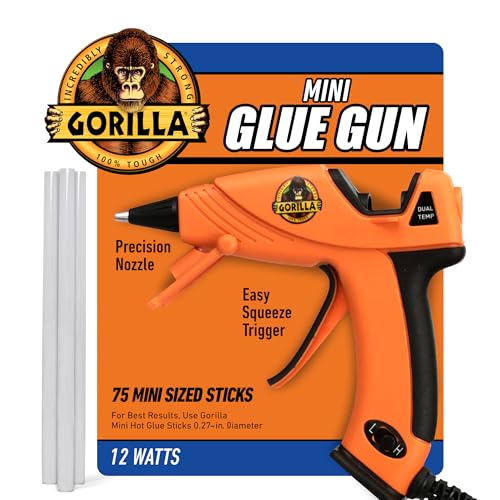 GORILLA 8401515Most sticks included
The short version by material
Hot glue grips by cooling and hardening into a plastic-like layer. That works well on rough, slightly porous surfaces and less well on smooth, slick ones. Heat is the other factor, because some materials soften, scorch, or melt under a hot nozzle.
This table gives a quick read before the details.
| Material | Works? | Best approach |
|---|---|---|
| Cotton and other sturdy fabric | Yes | Use low-temp glue and a thin bead |
| Felt | Yes | Use low-temp glue and press lightly |
| Delicate or synthetic fabric (satin, nylon) | Sometimes | Test on a scrap first, since heat can mark or melt it |
| Styrofoam (polystyrene foam) | Only with low heat | Use a low-temp gun and tiny dabs |
| Craft foam sheets | Yes | Use low-temp glue and work quickly |
| Hard plastics such as ABS or acrylic | Often | Clean and lightly scuff the surface |
| Slick plastics such as polyethylene or polypropylene | Poorly | Use a different adhesive |
Using a glue gun on fabric
Hot glue works on fabric for hems you do not plan to wash, costumes, appliques, wreaths, bows, and other decor. It is a quick tack, not a sewing replacement. Once cooled, the glue is stiff, so it can leave a hard line on soft cloth.
Heat is the main risk. A hot nozzle can leave a shiny mark on synthetic fibers, and hot glue can soak through thin cloth and burn your fingers on the other side. A low-temperature gun lowers both risks. If you are choosing a tool for this kind of work, our best hot glue gun for crafts comparison lists models by their published specifications.
- Test on a hidden scrap or hem allowance first.
- Apply a thin bead rather than a thick blob.
- Press the pieces together for a few seconds and hold them still.
- Keep a scrap of cardboard under the fabric to protect your work surface.
- Skip hot glue on items that will be washed often or stretched a lot.
Felt, foam sheets, and Styrofoam
Felt is one of the easiest materials to glue. It is thick, slightly fuzzy, and forgiving, so the glue grips well. Use a small amount and avoid pressing so hard that glue squeezes out the edges.
Craft foam sheets bond well too, but they can dent or curl if the glue is too hot. Low-temperature glue is the better pick.
Styrofoam needs the most care. Standard hot glue is hot enough to melt polystyrene foam, leaving pits or holes and sometimes weakening the bond. A low-temperature gun and small dabs usually work much better. Let each dab cool a moment before pressing the pieces together, and never hold the nozzle against the foam. If the foam still melts, switch to a foam-safe craft adhesive.
Using a glue gun on plastic
Hot glue sticks to some plastics and slides off others. Hard, slightly textured plastics such as ABS, which is common in toys and housings, usually hold well. Smooth acrylic can work if you prep it. Slick, waxy plastics such as polyethylene and polypropylene, which are common in food containers and bottles, resist almost any hot glue bond.
Preparation makes a big difference. Dirt and oils keep glue from gripping, so clean the surface before you start. A light scuff with fine sandpaper gives the glue something to hold onto. Wipe away dust and let the plastic dry fully.
Thin plastics can warp under a hot nozzle, so low-temperature glue is again the safer choice. Also remember that hot glue stays slightly flexible. It suits crafts, decor, and light repairs, but not parts that carry weight or face stress.
- Clean the plastic with soap and water, then dry it.
- Scuff smooth surfaces lightly.
- Apply glue to one surface only.
- Join the parts within a few seconds, before the glue skins over.
- Hold still until the glue cools and sets.
Low-temp or high-temp: which should you pick?
Most glue guns come in low-temperature, high-temperature, or dual-temperature versions. High-temperature glue flows freely and can bond harder, denser materials more strongly. Low-temperature glue is gentler, which helps with foam, thin plastic, and delicate cloth, though it may grip less firmly on tougher jobs.
For a mixed craft table, a dual-temperature gun covers more ground. You can compare options side by side in our best glue gun guide. Check each model's published specifications and make sure the glue sticks you buy match the gun's size and temperature range.
Safety notes
Melted glue sticks to skin and causes painful burns. The nozzle and metal parts get hot enough to burn too, so treat the whole front end of the gun as hot.
Work in a space with fresh air, especially when glue touches foam or plastic, because heated materials can give off fumes. Set the gun on its stand or a heat-safe surface between uses, and unplug it when you finish. Keep it away from children and pets, and never leave a plugged-in gun unattended.
If you get glue on your skin, cool it right away with running water and do not peel it off. Use a fingertip guard or work gloves if you glue often, and wear eye protection if you cut or trim glued materials.
Frequently asked questions
Does hot glue wash out of fabric?
Not reliably. Hot glue can loosen or peel in a washing machine, and the stiff residue may stay behind. For clothing you wash often, sewing or a fabric-specific adhesive is a better choice.
How do I remove hot glue from fabric?
Let the glue cool and harden, then gently flake off what you can. Some people chill the area to make the glue brittle. Test any stain remover on a hidden spot first, since heat and solvents can mark some fabrics.
Why does my hot glue string everywhere?
Glue strings when it is pulled away while still molten. Release the trigger, pause a moment, and twist the nozzle away from the work. A clean nozzle also reduces stringing.
Can I use a glue gun on glass or metal?
Hot glue can tack to both for light decoration, but the bond is weak on smooth surfaces. Clean the surface well, and expect the glue to pull off with moderate force.