Can You Sharpen Table Saw Blades and How Is It Done?
Yes, you can sharpen table saw blades, including carbide-tipped ones. A professional sharpening shop regrinds each tooth with a diamond wheel, and you can do light touch-ups at home with a diamond file or paddle. Sharpening makes sense when the teeth are dull but intact. If teeth are missing or the plate is cracked or warped, replace the blade.
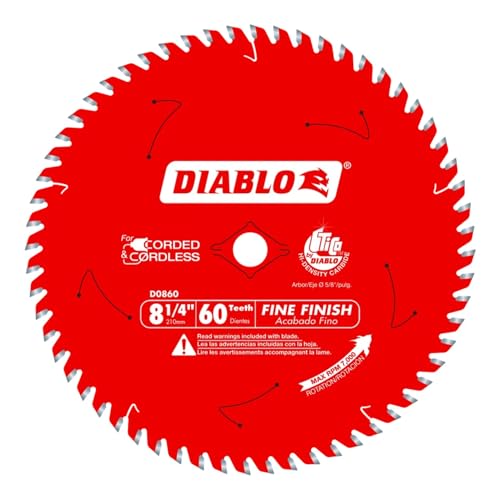 Diablo D0860XBest overall
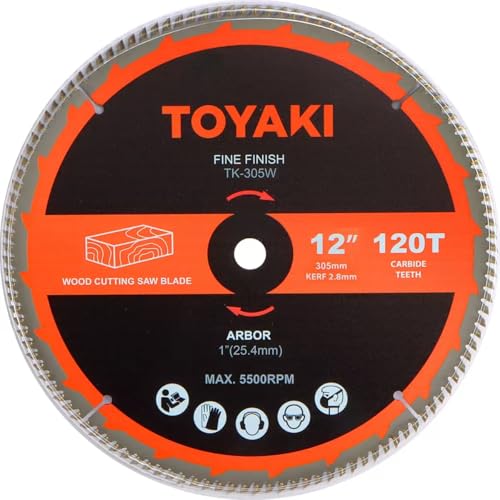 TOYAKI TK-305WMost teeth, 12-in
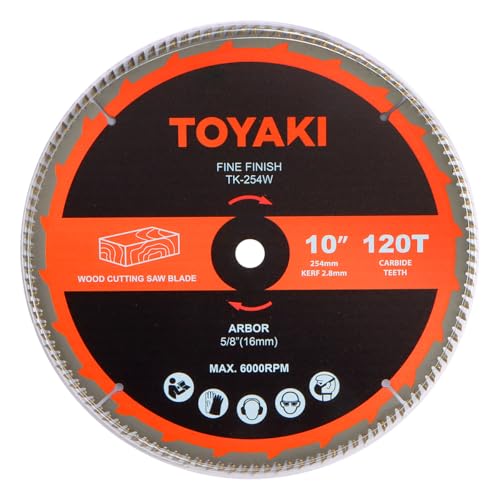 TOYAKI TK-254WFine finish in 10 in
What can and cannot be sharpened
Most table saw blades are made of a steel plate with small carbide tips brazed onto each tooth. Those tips are very hard, so they hold an edge a long time, but they can still be ground back to sharp again. A sharpening shop removes a thin layer from the tip, restoring the cutting edge and the original tooth angles.
Plain steel blades, which have no carbide tips, can also be sharpened, though they dull faster and are less common on modern saws. Carbide is harder than a regular file or stone, which is why carbide blades need diamond abrasives.
A blade can only be ground back so many times, because each regrind takes a little carbide away. How many times depends on how much carbide the tooth started with and how much is removed each visit. Once the tips are ground down to the braze line, the blade is finished.
Signs your blade is dull
A dull blade often tells you before it fails. If you notice several of the signs below, the blade is a candidate for sharpening or replacing.
- You have to push the wood harder than you used to.
- The saw bogs down or the motor sounds strained in cuts it handled easily before.
- Cut edges show burn marks, especially on hardwoods like maple or cherry.
- You see more tear-out or chipping on the cut edges, particularly on plywood.
- The blade is making more noise or vibration than usual.
- The carbide tips look rounded or shiny at the cutting corner instead of crisp.
Getting a blade professionally sharpened
A professional service is the best route for a blade you plan to keep using. Look for a dedicated saw sharpening shop, a woodworking or tool store that sends blades out to one, or a mail-in sharpening service. Many blade makers also list sharpening partners. Ask whether they use diamond wheels and whether they can match the original tooth geometry for your blade type.
A shop sharpens each tooth to the same shape and height, which is hard to do by hand. They can also check for loose or damaged tips and flag a blade that is not worth saving. Cost varies with blade diameter, tooth count and tooth style, so ask for a quote and compare it with the cost of a new blade of similar quality.
If you are shopping for a replacement anyway, our best table saw blades comparison lays out tooth counts, kerf widths and intended uses so you can match a blade to your cutting.
Touching up a blade at home
A home touch-up will not replace a full regrind, but it can extend the time between professional visits. It works best on carbide blades that are only lightly dulled. You will need a fine diamond file or a small handheld diamond sharpener, a marker, and a stable work surface.
Safety first. Unplug the saw before you touch the blade, or better, remove the blade from the saw completely. Wear cut-resistant gloves and eye protection, because carbide dust and tiny fragments can fly. Carbide dust should not be breathed in, so work in a ventilated area and consider a dust mask.
- Unplug the saw, remove the blade and clamp it flat or hold it steady on a bench.
- Mark one tooth with a marker so you know where you started.
- Lay the diamond file flat against the top face of the first carbide tip, matching its existing angle.
- Use light, even strokes, the same number on every tooth. Stop as soon as the face looks clean and bright.
- Work your way around the blade, checking each tooth against the marked one.
- Wipe off the dust and resin, then reinstall the blade and make a test cut on scrap wood.
Sharpen or replace?
Not every dull blade is worth sharpening. The table below gives a quick way to decide. When a blade is in poor shape, a new one is safer and often the better deal.
Also think about the saw itself. A smaller saw with limited motor power, such as many models in our best jobsite table saw comparison, needs a sharp blade to avoid bogging down. Keeping a spare sharp blade on hand lets you swap and send the dull one out.
| Blade condition | Sharpen | Replace |
|---|---|---|
| Dull but all teeth intact | Yes | Not needed |
| Light burning or rougher cuts | Yes, home touch-up or regrind | Not needed |
| One or two chipped teeth | Possibly, ask a shop to inspect | If damage is widespread |
| Missing or loose carbide tips | No | Yes |
| Cracked, bent or warped plate | No | Yes |
| Carbide worn down to the braze | No | Yes |
Keeping blades sharp longer
Good habits stretch the time between sharpenings. Clean pitch and resin off the blade regularly with a blade cleaner, since buildup creates friction and heat that dulls the edge faster. Use the right blade for the job, such as a ripping blade for lengthwise cuts and a crosscut or combination blade for general work.
Avoid cutting into nails, screws or dirty reclaimed lumber, and let the blade reach full speed before you feed the wood. Store blades flat or hanging so the tips do not knock against other tools. Always wear eye and hearing protection when running the saw, and use a push stick near the blade.
Frequently asked questions
Can you sharpen thin kerf blades?
Often yes, but thin plates warp more easily from heat and wear. A shop can check whether the plate is still flat and whether the blade is worth the work.
How often should a table saw blade be sharpened?
There is no fixed schedule. It depends on how much you cut and what materials you cut. Sharpen when you see burning, tear-out or extra effort, rather than by the calendar.
Can I sharpen a blade while it is on the saw?
No. Always unplug the saw and take the blade off first. It is safer and lets you hold the blade steady and reach each tooth.
Do other saw blades get sharpened the same way?
Not always. Band saw and reciprocating saw blades are usually replaced instead. If you are comparing options, see our best band saw blades page.