Will an N95 Mask Work for Dust? How Well It Protects
Yes, an N95 mask works for most ordinary dust, such as sweeping, sanding drywall, yard work or light woodworking, as long as it is a genuine NIOSH-certified N95 and it seals tightly to your face. It is rated to filter at least 95% of small airborne particles. For fine, hazardous or long-lasting dust exposure, a P100 respirator gives a higher margin.
 3M 62023HA1-CBest overall
 3M 65023QLH1-DCQuickest on and off
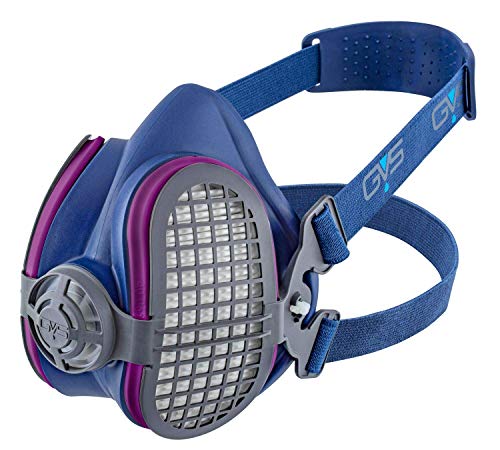 GVS SPR451Best for glasses wearers
What an N95 rating actually means
The N in N95 means the filter is not resistant to oil. The 95 means it filters at least 95% of test particles around 0.3 microns, which is a size that is hard for filters to catch. Larger dust particles are generally easier to trap, so household and workshop dust is usually well within what an N95 can handle.
The rating only holds when the mask is a certified one and when air goes through the filter rather than around it. A gap at the nose or cheeks lets unfiltered air in. That is why fit matters as much as the 95% number.
Our best dust mask page lists N95 and KN95 style masks at 95% efficiency in our data, compared with 99.97% for P100 rated respirators. That gap is the main reason serious dust work often calls for a step up.
When an N95 is a good fit for dust
An N95 suits short, low-hazard jobs where the dust is a nuisance or a mild irritant. It is light, easy to store and does not need cartridges or maintenance.
- Sweeping a garage or clearing a dusty attic
- Mowing, trimming and other yard work in dry conditions
- Sanding or cutting small amounts of wood or drywall
- Cleaning up after light demolition of non-hazardous material
- Handling mold-free dusty storage boxes or old insulation scraps with good ventilation
When an N95 is not enough
Some dust is more dangerous, and 95% filtration leaves a margin you may not want. Crystalline silica from cutting concrete, brick or stone, dust from older paint that may contain lead, and any material that might contain asbestos need more than a basic mask. For suspected asbestos or lead, stop and get professional guidance before disturbing the material.
Long sessions of fine sanding are another case. The more dust you breathe over hours and days, the more a higher efficiency filter helps. Our buying guide notes that for fine sanding dust, higher efficiency gives more margin.
An N95 also does nothing for fumes. Paint vapors, solvents and cleaning chemicals need organic vapor or acid gas cartridges, which a particle mask does not have. Our data shows that respirators with those cartridges exist, but a mask with vapor cartridges is more than you need for plain sawdust.
N95 versus other dust masks
Here is how the common options compare, using the ratings in our product data and general mask classes.
A disposable KN95 style mask is rated at 95% efficiency in our data, but our guide points out it is made for daily wear, not shop dust. If you are choosing for a workshop or renovation job, a reusable half mask is usually the better tool.
| Mask type | Filtration listed | Good for | Watch out for |
|---|---|---|---|
| N95 disposable | At least 95% | Light dust, yard work, short jobs | Fit gaps, facial hair, no vapor protection |
| KN95 style disposable | 95% in our data | Daily wear, general use | Made for daily wear, not shop dust |
| P100 half mask (for example GVS Elipse SPR451) | P100, 99.97% | Fine dust, wood, silica work | Needs a proper seal and eye protection |
| P100 with vapor cartridges (for example 3M 62023HA1-C) | P100, 99.97%, plus organic vapor and acid gas | Dust plus fumes in workplace settings | Listed for workplace use only, heavier at 0.8 lb |
How to get the best protection from an N95
Facial hair along the seal line stops the mask from sealing, so shaving where the mask touches is the reliable fix. Work in a ventilated space and use dust collection or a vacuum where you can, since a mask is your last line of defense, not the only one.
- Check that the package or mask shows NIOSH approval and an N95 marking.
- Wash your hands, then hold the mask with the nose clip at the top.
- Pull both straps over your head, one high on the crown and one low at the neck.
- Press the nose clip down so it molds to the bridge of your nose.
- Cup your hands over the mask and breathe out sharply. If air leaks around the edges, readjust.
- Replace it if it is wet, damaged, hard to breathe through or no longer seals.
Eyes, ears and glasses
A mask does not protect your eyes. Wear safety glasses or goggles when sanding, sawing or sweeping, and add hearing protection around loud tools. Fogged glasses are a common sign of a leaky nose seal.
If you wear glasses, check the product details. In our data, the GVS Elipse P100 SPR451 lists compatibility with glasses and weighs 0.4 lb, while two of the full-face models say they do not work with glasses. Our best dust mask page lists these details side by side so you can compare before choosing.
A simple way to decide
Match the mask to the dust and the time you will spend in it. For a short, tidy job, a well-fitted N95 is a sensible choice. For fine sanding, regular woodworking or anything involving silica, move up to a reusable P100 half mask with replaceable filters. For dust plus fumes, look for a respirator with the right cartridges and check that its intended use matches your job.
Frequently asked questions
Is a surgical mask the same as an N95 for dust?
No. Surgical masks are loose fitting and are not designed to seal to your face, so they do not give reliable protection against fine dust.
Can I reuse an N95 for dust work?
Often for a short time if it is clean, dry and still seals well, but dust loads up the filter and makes breathing harder. Replace it when it is dirty, damaged or hard to breathe through.
What is a dust mask used for?
It is used to reduce how many airborne particles you breathe in during jobs like sanding, sweeping, yard work and cleanup. It does not protect against gases or vapors.
Does an N95 protect against sawdust from treated or exotic wood?
It helps filter the particles, but some wood dusts can irritate skin, eyes and lungs more than others. For frequent work, a P100 respirator and good dust collection are a safer choice.