Why Is My Door Knob Hard to Turn? Causes and Fixes
A door knob that is hard to turn is usually caused by a dry or dirty latch, loose mounting screws, a door that has shifted so the latch rubs the strike plate, or worn internal parts. Start by loosening the knob screws slightly and lubricating the latch, since that fixes many cases in minutes. If the knob is worn out or does not fit the door well, replacing it is the lasting fix.
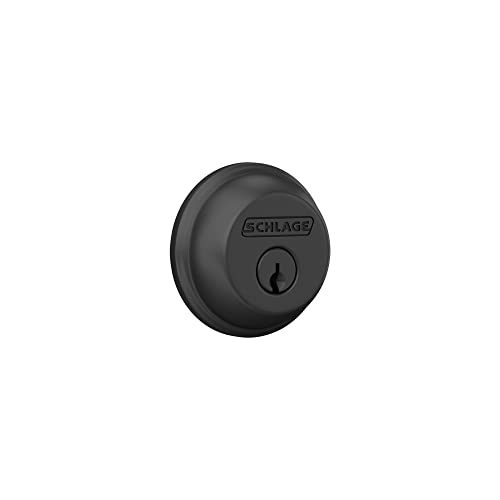 SCHLAGE B60N622Best overall
 BESTTEN DK1-ET-SNTop cycle rating, keyed knob
 BESTTEN DE1-ET-BKKeyed alike knob and deadbolt
Start With a Two-Minute Check
Before you take anything apart, work out where the stiffness comes from. The cause is often the door and frame, not the knob itself, and a quick test tells you which.
Open the door and turn the knob while the latch bolt is out in the open air. If it turns freely, the knob is fine and the problem is alignment. If it is still stiff, the problem is inside the knob or latch.
- Turn the knob with the door open. Stiff means a knob or latch problem.
- Turn it with the door closed. Stiff only now means the latch is binding on the strike plate.
- Look at the gap around the door. Uneven gaps or rubbing marks point to a sagging door.
- Check for loose screws on the knob faces and the hinges.
- Try the key if it is a keyed knob. A hard key turn points to the cylinder, not the handle.
Common Causes at a Glance
Most stiff knobs come down to a handful of causes. This table matches what you notice to the likely cause and the first fix to try.
| What you notice | Likely cause | First fix |
|---|---|---|
| Stiff even with door open | Dry or dirty latch mechanism | Clean and lubricate the latch |
| Knob feels gritty or sticks halfway | Dust, old grease or debris inside | Spray dry lubricant, work the knob |
| Knob wobbles and is hard to turn | Loose or overtightened screws | Loosen, realign, then retighten evenly |
| Stiff only when door is closed | Latch rubbing the strike plate | Adjust or file the strike plate |
| Door rubs the frame | Loose hinges, sagging door | Tighten hinge screws |
| Knob does not spring back | Broken or weak internal spring | Replace the knob |
| Key is hard to turn | Dirty or worn cylinder | Graphite or dry lubricant, then replace if needed |
Fix a Dry or Dirty Latch
The most common cause is the latch, which is the part that slides out of the door edge. Inside the knob, a spindle turns and pulls the latch back. Dust and dried grease make that movement stiff.
Use a dry lubricant made for locks, such as a graphite or PTFE spray. Heavy oil attracts dust and can gum up over time, so avoid soaking the mechanism. Wear safety glasses when spraying, because the mist can drift, and work in a ventilated spot.
- Open the door and spray a small amount of lubricant on the latch bolt at the edge.
- Work the knob back and forth 10 to 15 times so the lubricant spreads inside.
- Spray a little into the gap between the knob and the door face, if there is one.
- Wipe off any excess so it does not drip onto the door finish or collect dirt.
- Test again with the door open, then closed.
Check the Screws and Internal Alignment
Knob screws that are too tight can squeeze the two halves together and make the spindle bind. Screws that are too loose let the knob tilt, which causes the same drag. Either way, the stiffness shows up even with the door open.
Find the screws on the interior side, sometimes hidden under a cover plate or behind a small slot on the knob base. Loosen them a quarter turn and test the knob. Then tighten them a little at a time, alternating sides, until the knob is snug but still turns smoothly.
If the knob stays stiff, remove it. Pull both halves off, slide out the latch and check that the spindle is straight and sits freely in the latch. A bent spindle or cracked latch body will not turn easily and needs replacing. Many knobs ship with screws preinstalled in the handle that must be removed for installation, so read the instructions when you put a new one in.
Use a hand screwdriver for this job. Power drivers make it easy to overtighten and strip the screw holes.
Fix a Door That Binds or a Misaligned Strike Plate
If the knob turns freely with the door open but sticks once the door is closed, the latch is likely pressing against the strike plate or the frame. This happens when a door sags over time or the house settles.
Start with the hinges. Tighten any loose screws, especially the top hinge, since a loose top hinge pulls the door down and out of line. If a screw hole is stripped, a longer screw or a wood filler plug helps it grip again.
Next, look at the strike plate, the metal plate on the frame. Close the door slowly and see where the latch meets it. If the latch hits the edge, loosen the strike plate and shift it slightly, or file the opening a little larger with a small metal file. Wear safety glasses when filing metal, and keep your fingers clear of the latch edge.
If the door is rubbing the frame itself, you may need to sand or plane the edge. Do that only after the hinges are tight, because tightening alone often solves it.
When the Key or Deadbolt Is the Hard Part
On an entry door, the knob and deadbolt are separate parts. If the knob turns easily but the deadbolt or key is stiff, treat them separately. The deadbolt throws a bolt into the frame, so if the door has shifted, the bolt can scrape the hole in the frame and feel stiff.
Test the deadbolt with the door open. If it moves easily, the frame hole is out of line. Enlarging the hole slightly or adjusting the strike fixes it. If it is still stiff, a puff of dry lubricant into the keyway helps. Do not use heavy oil in a keyway.
Avoid forcing a key that will not turn. A bent or broken key stuck in the cylinder is harder to fix than a stiff one. If the cylinder is worn, replacing the lock is the safer route.
When to Replace the Knob
Replace the knob if the internal spring is weak, the spindle is bent, the latch is cracked, or lubrication only helps for a few days. A worn knob on an exterior door is also a security concern, so do not let it linger.
Measure before you buy. Door thickness and backset need to match the new lock. Many knobs on our best door knob page fit doors from 1.375 to 1.75 in thick and backsets of 2.375 in or 2.75 in. Backset is the distance from the door edge to the center of the hole.
For exterior doors, also compare security grade and whether you want a knob, a deadbolt or both. Our door knob comparison lists those specs side by side, and notes where makers leave a value blank. A blank means unknown, so check the maker's listing before relying on it.
Frequently asked questions
Can I use WD-40 on a stiff door knob?
It can free a stuck latch for a short time, but it is a light solvent that can attract dust. A dry lock lubricant such as graphite or PTFE spray lasts longer and is a better choice for latches and keyways.
Why does my door knob only stick in cold or humid weather?
Wood doors and frames can swell with moisture and shift slightly, which makes the latch press on the strike plate. Metal parts can also stiffen when old grease thickens. Cleaning and relubricating usually helps, and a small strike plate adjustment can fix the swelling issue.
Is a loose door knob the same problem as a hard-to-turn one?
They often share a cause. A loose knob can tilt and bind the spindle, which makes it stiff. Tightening the screws evenly usually cures both.
Should I call a locksmith?
Call one if the key breaks off, the cylinder will not turn at all, or you are locked out. For a stiff knob on a door that still opens, the steps above are usually enough.