Why Does My Water Heater Pilot Keep Going Out?
A gas water heater pilot most often keeps going out because of a worn thermocouple, a clogged pilot tube, a draft blowing on the flame, or a gas supply problem. Some of these are simple to clean or replace, but anything involving gas smell, soot or venting calls for a licensed professional.
 Rheem RTEX-06TBest overall
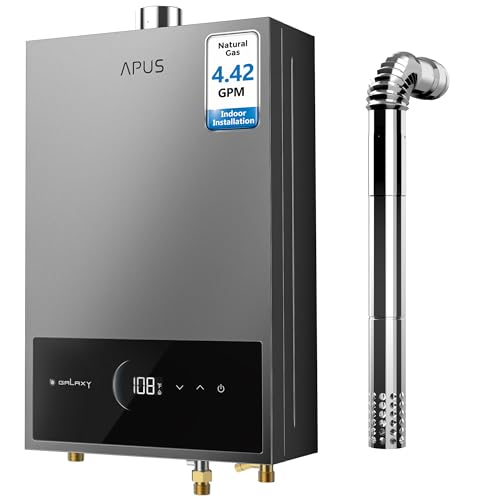 APUS AP-AWH-Q13NGNatural gas pick
 GE GE20P08BARLargest plug-in tank
What the pilot light does
The pilot light is a small, steady flame in a gas water heater. It sits next to the main burner and lights it whenever the tank needs to heat. Without the pilot, the burner has nothing to ignite it.
A safety part called a thermocouple sits in the pilot flame. It makes a tiny electric signal when hot, and that signal tells the gas valve to stay open. If the flame dies, the signal stops and the valve closes so raw gas does not leak out. This is why a pilot that will not stay lit is often a sign the safety system is working, not failing.
Safety first
Gas appliances deserve caution. Read these points before you touch anything.
- If you smell gas (a rotten egg odor), do not light anything or flip switches. Leave the house, then call your gas utility or emergency number from outside.
- If you see black soot around the burner compartment or smell exhaust, stop and call a licensed technician. This can point to poor combustion or a blocked vent.
- Turn the gas control to OFF and wait at least five minutes before relighting, so any leftover gas can clear.
- Never use a lighter or match near a suspected leak, and never bypass a safety part.
The most common causes
Most repeat pilot failures come back to a short list of causes. The table below shows what each one looks like and who should handle it.
A dirty or worn thermocouple is the usual suspect. Over time it can corrode or lose its ability to generate a signal, so the valve shuts off a few seconds or minutes after you release the knob. A clogged pilot tube or orifice is another common one, because dust and debris can weaken the flame until it cannot heat the thermocouple.
| Cause | Typical sign | Usual fix |
|---|---|---|
| Worn or dirty thermocouple | Pilot lights, then dies after you release the knob | Clean the tip lightly or replace the part |
| Clogged pilot tube or orifice | Small, weak or yellow flame | Clear debris, or have a pro do it |
| Draft or poor airflow | Goes out when doors open or the fan runs | Block the draft, check vent and air supply |
| Gas supply or valve issue | Goes out at random, or will not light at all | Check the shutoff valve, then call the gas company or a pro |
| Faulty gas control valve | Thermocouple is new but the problem remains | Professional replacement |
How to check it step by step
Start with the easy checks and stop as soon as you find the cause. If you are not comfortable at any step, call a professional.
- Confirm the gas shutoff valve to the heater is fully open and that other gas appliances in the home work.
- Look at the flame once lit. It should be mostly blue and steady. A weak, flickering or yellow flame suggests a dirty pilot tube.
- Hold the pilot button in for the full time listed in the label on your heater. Releasing too early is a very common reason it drops out.
- Look for drafts. A nearby exhaust fan, open window or dryer can pull the flame off its path.
- Inspect the thermocouple tip. Light buildup can sometimes be wiped off gently once everything is cool and the gas is off.
- If the flame is strong but still dies, plan to replace the thermocouple. It is a standard part, but make sure the gas is off first.
When to repair and when to replace
A new thermocouple or a cleaned pilot tube often solves the problem for good. If the control valve is failing, or the tank is old and showing rust, leaks or repeated trouble, replacement may make more sense than another repair.
If you do replace, you have choices. Storage tanks hold a set volume and can run out during heavy use. Tankless units heat on demand. Our best water heater comparison puts storage and tankless models on one spec sheet, so you can match capacity, fuel and installation needs.
Tankless gas units also do not keep a standing pilot flame burning all day. For example, the APUS natural gas model in our lineup lists a 120 V connection, a 4.42 GPM flow rate and a UEF of 0.81. If you lean toward on-demand heating, see our best tankless water heater page for flow rates, fuel types and sizes.
Going electric instead
Electric heaters have no pilot light at all, so this problem does not exist with them. The tradeoff is the electrical supply. The 14000 W tankless units in our comparison need a 240 V supply, and the listings call for a 60 amp breaker and 6 AWG wire. Plug-in storage models such as the GE 18 gal run on 120 V.
Before switching fuel types, check your panel capacity and plan the work with a licensed electrician. Electrical and gas changes are not good do-it-yourself projects for most homeowners.
Frequently asked questions
Is it safe to keep relighting the pilot?
Relighting once or twice following the label instructions is normal. If it keeps going out, do not keep trying. The cause needs to be found, because the shutoff is there to protect you.
Can a bad thermocouple be cleaned?
Sometimes. Light carbon buildup on the tip can be wiped off with the gas off and the part cool. If it is bent, corroded or still fails, replace it.
Why does the pilot go out only in windy weather?
Wind or a downdraft in the vent can push air back onto the flame. A blocked or poorly sized vent, or a new exhaust fan nearby, can cause the same thing. Have the vent checked.
Do all water heaters have a pilot light?
No. Many newer gas models use electronic ignition, and electric heaters have no flame at all. Check your label or manual to see which type you have.