Why Does My Water Heater Leak From the Relief Valve?
A leaking relief valve usually means the tank is seeing too much pressure or heat, and the valve is doing its job by letting water out. Common causes include thermal expansion, high household water pressure, a thermostat set too high, or a worn valve. Never cap or plug the valve. Find the cause, and call a licensed plumber if the leak continues.
 Rheem RTEX-06TBest overall
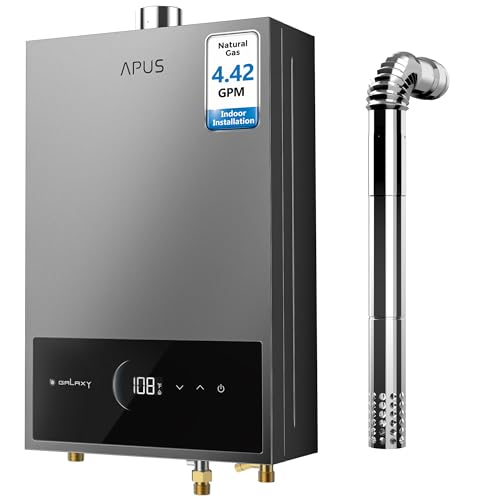 APUS AP-AWH-Q13NGNatural gas pick
 GE GE20P08BARLargest plug-in tank
What the T&P valve is and what it does
The T&P valve is the temperature and pressure relief valve. It is a small brass valve on the side or top of a storage water heater, usually with a lever on it and a pipe running down toward the floor.
Its only job is safety. If the water in the tank gets too hot or the pressure climbs too high, a spring-loaded mechanism opens and releases water. That keeps the tank from building up dangerous pressure.
So a drip from the valve is a warning sign, not just a nuisance. Sometimes the valve is reacting to a real problem. Sometimes the valve itself has worn out. Either way, the leak deserves attention.
Common reasons the valve leaks
Most leaks come from a short list of causes. The table below matches each one to what you might notice.
Some of these are easy to check yourself. Others need a plumber with the right gauges and tools.
| Cause | What you may notice | Who usually fixes it |
|---|---|---|
| Thermal expansion in a closed system | Drips or short bursts while the heater is heating, often after showers | Plumber (expansion tank) |
| High incoming water pressure | Steady drip, faucets that spray or hammer | Plumber (pressure reducing valve) |
| Thermostat set too high or faulty | Water that is very hot, valve leaks as the tank heats | Homeowner for the setting, pro for a faulty part |
| Worn or dirty valve seat | Slow drip even when pressure and temperature are normal | Plumber (valve replacement) |
| Sediment or mineral buildup | Rumbling noises, slow recovery, valve leak | Homeowner flush or plumber |
Thermal expansion and water pressure
Water expands when it heats. In an open plumbing system, that extra volume pushes back into the city supply line. Many homes now have a backflow preventer or check valve, which closes that path. The extra water has nowhere to go, so pressure rises in the tank.
The relief valve then opens to let a little water out. You often see this as a drip that starts during or after a heating cycle and stops once the tank cools. A thermal expansion tank on the cold supply line gives the extra water somewhere to go.
High street pressure can cause the same trouble. A plumber can check it with a simple gauge on a hose bib. If it is high, a pressure reducing valve at the main line usually solves it. Because these parts connect to your main water supply, this is a good job for a licensed pro.
Temperature, thermostat and sediment
If the thermostat is set too high, the tank may overheat and trip the valve. Many households use a setting around 120 °F, but check your manual and local rules. Lowering the setting is a quick, low-risk step, and you can see whether the leak slows down.
A faulty thermostat or heating element can keep heating past the set point. If the water is scalding even at a normal setting, turn off power or gas to the heater and call a pro.
Sediment is another factor. Minerals settle at the bottom of a storage tank, make the heater work harder and can leave debris on the valve seat so it will not close fully. Flushing the tank as the manufacturer describes can help. Debris can also mean the valve is simply worn out and needs replacing.
What to do right now
Start with a quick, careful check. Stay clear of the discharge pipe, because the water coming out can be hot enough to scald.
Then work through these steps in order:
- Look at where the water is coming from. Make sure it is the valve or its discharge pipe and not a fitting, the tank body or a nearby pipe.
- Note when it drips: during heating, after showers, or all the time.
- Check the thermostat setting and lower it if it is high.
- Check that the discharge pipe points downward and is not capped, plugged or blocked.
- If the leak is steady, the water is very hot or you hear banging or hissing, shut off the power or gas and the cold water supply, then call a licensed plumber.
- Ask the plumber to check water pressure and whether your system needs an expansion tank.
Safety notes and when to replace the heater
Never cap, plug or remove a relief valve. It is the last line of defense against overpressure. A blocked valve on a tank that overheats is a serious hazard.
For electric heaters, switch off the breaker before working near the unit. For gas heaters, if you smell gas, leave the home and call your gas utility from outside. Wear eye protection and gloves if you handle the valve or drain the tank, since hot water can cause burns.
A valve that has been leaking for a while may point to an aging tank. If the tank itself is corroded or leaking, replacement makes more sense than repair. Our best water heater page lays out flow rate, tank size, voltage and safety certification so you can match a new unit to your home.
Storage tanks are the type that use a T&P valve. If you are thinking about switching, see our best tankless water heater comparison. Tankless units heat on demand and do not hold a tank of hot water. The Rheem RTEX-06T lists 4.8 GPM and a 240 V supply, while the GE 18 gal plug-in model is a storage unit with a 120 V supply. Always confirm your power or gas supply before choosing.
Frequently asked questions
Is it normal for a relief valve to drip a little?
A small drip is not something to ignore. It can mean the system is building pressure, or the valve is worn. If it happens only briefly while the tank heats, ask a plumber about an expansion tank.
Can I replace the relief valve myself?
It is possible for experienced DIYers, but the tank must be depressurized and cooled first, and the new valve must match the heater's rating. Many people choose a licensed plumber for safety.
Should I test the valve by lifting the lever?
Some manuals suggest a periodic test. Stand clear, keep the discharge pipe pointed to a safe drain, and expect hot water. If the valve does not reseat and keeps dripping afterward, it likely needs replacement.
Does a tankless heater have a T&P valve?
Tankless units hold very little water, so they usually do not need the same large-tank relief setup. Check the installation manual for the model you are considering, as requirements vary.