Why Does My Sump Pump Keep Running or Turning On?
A sump pump turns on whenever water in the pit rises to the float or sensor level, so some cycling is normal. If it runs nonstop, or runs with no rain, the usual causes are a stuck float, a failed check valve, a blocked discharge line, or a high water table. Work through those four checks in order, and replace the pump if none of them explains it.
 Wayne CDU790Best overall
 Acquaer AUPBest electronic switch
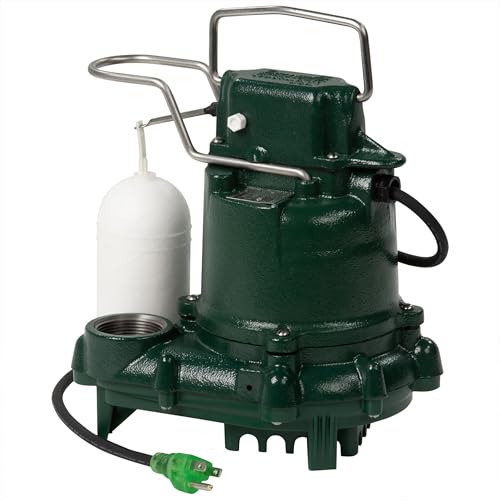 Zoeller 53-0001Best cast iron pump
How a sump pump decides when to run
Your pump sits in a pit at the lowest point of the basement. Groundwater seeps into that pit, and the water level rises until it trips a switch. The pump then pushes water out through the discharge pipe until the level drops and the switch turns it off.
Most pumps use one of two switch types. A float switch rides up and down with the water. An electronic sensor detects water without any moving float. Our best sump pump page covers both, including vertical floats and sensor switches that suit narrow pits.
The turn-on and turn-off points are set by the switch, not by the weather. That is why a pump can start even on a dry day if the pit fills for any reason.
Normal cycling versus a real problem
A pump that runs for a minute or two after heavy rain or snowmelt is doing its job. Groundwater stays high for days after a storm, so the pit keeps refilling and the pump keeps clearing it.
It is a problem when the pump runs for long stretches in dry weather, never shuts off, or runs without moving much water. Strange noises, a hot motor, or a pit that never empties are also warning signs.
Here is a quick way to tell the difference:
Watch one full cycle. Note how long the pump runs, how long it rests, and whether the water level in the pit actually drops each time.
- Normal: runs, empties the pit, then rests for a while before the next cycle.
- Worth checking: runs often but the pit empties each time.
- Needs attention now: runs nonstop and the water level does not drop.
The most common causes
Most nonstop or too-frequent running traces back to a small handful of faults. The table below pairs each one with its typical clue.
| Cause | What you will notice | Typical fix |
|---|---|---|
| Stuck or tangled float | Pump runs with the pit nearly empty, or never starts | Free the float, clear debris, reposition the pump |
| Failed or missing check valve | Pump cycles every few seconds or minutes, and you hear water falling back | Replace the check valve |
| Blocked or frozen discharge line | Pump runs but little or no water leaves the house | Clear the blockage or thaw the line |
| High water table or wet season | Steady refilling after rain or snowmelt | Usually normal; consider a higher-capacity pump |
| Worn pump or clogged intake | Loud, weak, or runs long without emptying the pit | Clean the intake or replace the pump |
| Leak or running water feeding the pit | Pit fills in dry weather | Check for a leaking pipe, then call a plumber |
Step-by-step checks
Start with the easiest checks. Before you touch anything in the pit, unplug the pump. Never reach into a pit with the pump plugged in, and never stand in water while handling electrical cords.
Then work through this order:
- Look at the float. With the pump unplugged, lift the float by hand and let it drop. It should move freely and not rub the pit wall or the power cord.
- Check the pit for debris. Gravel, silt, or a stray object can wedge a float or jam the impeller.
- Inspect the check valve on the discharge pipe. This valve stops water from flowing back into the pit after each cycle. If it is stuck open, installed backward, or missing, the pump keeps moving the same water in a loop.
- Follow the discharge pipe outside. Make sure the outlet is open, not buried, crushed, or iced over, and that it drains away from the foundation.
- Plug the pump back in and pour in a bucket of water. Watch it start, empty the pit, and shut off cleanly.
Why it runs with no rain
Running in dry weather feels alarming, but there are several ordinary reasons. Groundwater can stay high for days or weeks after a wet period, so the pit may keep filling long after the sky clears.
Other sources can feed the pit too. A leaking water line, a downspout that dumps next to the foundation, or a nearby drain can all add water. If the pit fills in a pattern that matches laundry day or a sprinkler schedule, look for that source.
If you cannot find a reason and the pit fills in dry weather, have a plumber check for a leak. A buried or hidden pipe leak can send a steady flow to the pit without any outward sign.
Should a sump pump run every 30 seconds?
Not for long. Running every 30 seconds during a downpour can happen if groundwater is flowing in fast, but that pattern should ease as the rain stops. If it keeps up in dry weather, something else is wrong.
The most common culprit is the check valve. When it fails, the water in the discharge pipe drops back into the pit as soon as the pump stops. The pit refills in seconds, the pump restarts, and the cycle repeats. You can often hear a thump or gurgle when the pump shuts off.
A switch that trips too early can also cause rapid cycling. A narrow pit makes this worse because a small amount of water raises the level quickly. Short cycling wears out the motor and switch faster, so fix it rather than live with it.
When the pump itself is the problem
Sometimes the pump is simply too small or worn out. A pump that struggles to lift water up and out of your house will run longer than it should. Look at flow at your discharge height, not just the headline number. On our sump pump page, the listed lifts run from 19.25 ft to 25 ft, and the Wayne CDU790 lists a 4600 GPH maximum flow with a 20 ft maximum head.
Switch design matters too. The Wayne CDU790 and Liberty 237 both use a vertical float. The Acquaer utility pump uses an electronic sensor that starts the pump at about 1-1/2 inches of water and stops it below 1/4 inch. The D-HONOR starts at a 12.5 inch water level and shuts off below 2 inches. A wide gap between on and off levels means fewer, longer cycles.
If you are replacing a pump, compare switch type, flow at your lift, and housing material on the sump pump comparison. Cast iron and coated steel hold up better to long hours in water. Light thermoplastic utility pumps suit temporary draining better than a permanent basement pit.
Safety notes
Water and electricity are a dangerous mix. Unplug the pump before you touch the float, valve, or pit. Use a GFCI-protected outlet, and do not use a damaged cord.
If the pit or floor is flooded and the outlet or panel is wet, stay out and call a licensed electrician. If you must go into the basement during a storm, make sure the power to that area is off first.
Frozen discharge lines can crack pipes and strain the motor, so thaw them gradually and do not use open flame.
Frequently asked questions
Is it bad if my sump pump runs all the time?
Yes, if it never stops. Constant running wears out the motor and can mean a stuck float, a blocked line, or a pump that cannot keep up. Find the cause soon.
Why does my sump pump turn on when it is not raining?
Groundwater often stays high for days after rain or snowmelt. A leaking pipe or a downspout draining near the foundation can also fill the pit.
Can a bad check valve make the pump run too often?
Yes. If it fails, water falls back into the pit after each cycle, so the pump restarts again and again.
Should I unplug the pump if it will not stop?
If water is not rising and the pump is running dry, unplug it to protect the motor. If water is rising, keep it powered while you look for the cause from a safe, dry spot.
How often should I test my sump pump?
Pour in a bucket of water a few times a year and confirm it starts, empties the pit, and shuts off. Also check the discharge outlet is clear.