Why Does My Metal Cutting Tool Wear Out So Fast?
Metal cutting tools usually wear out fast because of too much heat, a poor match between blade and material, or a bad feed rate. Rubbing instead of cutting, cutting without support, and running a blade at the wrong speed are the most common culprits. Fix those and most blades last much longer.
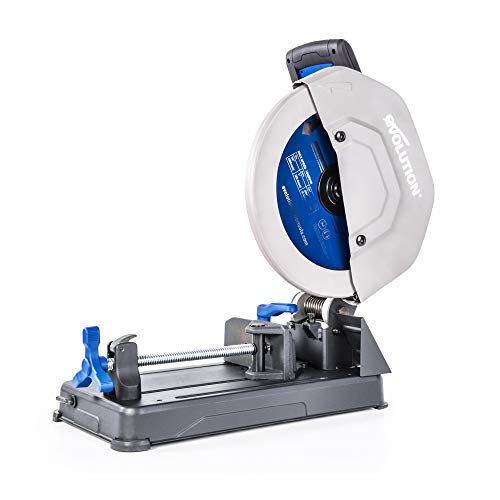 EVOLUTION S355CPSLBest overall
 EVOLUTION S14CPS
 EVOLUTION S14MCSBest for fabrication shops
How a metal cutting tool actually cuts
A metal cutting tool removes material by forcing a hard edge into the workpiece and shearing off small chips or fine particles. Saw teeth, abrasive grains and oscillating blade teeth all do the same basic job. The edge has to be harder than the metal, and it has to stay sharp while it does the work.
Every cut also creates friction and heat. Metal is tough, so the edge takes far more punishment than it would in wood. Wear is simply the slow loss of that edge through abrasion, heat, chipping and metal sticking to the tooth. Understanding which one is hitting your tool tells you what to change.
This is also why the right tool matters so much for metal work. A tool built for the job cuts cleanly, keeps the part square and leaves less cleanup. A mismatched one burns through blades and gives rough, hot, burred edges.
The most common causes of fast wear
Most early blade failures trace back to a short list of causes. The table below pairs each one with what you will usually see and what to do about it.
| Cause | What you notice | What to do |
|---|---|---|
| Too much heat | Blue or dark discoloration, dull teeth, lots of sparks | Use a cold cut blade, keep a steady feed, let long jobs rest |
| Feed too light | Squealing, sparks, shiny polished cut | Apply firm, consistent pressure so teeth bite |
| Feed too heavy | Chipped or missing teeth, stalled motor | Ease off and let the blade do the cutting |
| Wrong blade for the material | Fast dulling, rough cuts | Match the blade to mild steel, stainless or aluminum |
| Loose or unsupported work | Vibration, chatter, snapped teeth | Clamp stock firmly and support long pieces |
| Wrong speed | Hot blade or slow, rubbing cuts | Use a tool and blade rated for metal |
| Hitting hardened or dirty material | Sudden dulling | Check for scale, rust, welds and hardened spots |
Feed rate and pressure: the easy one to get wrong
Many people assume a gentle touch protects the blade. With toothed metal blades it often does the opposite. If the teeth skim across the surface instead of biting, they rub, heat up and dull.
One of the saws on our comparison page, the Evolution S14MCS, includes guidance in its listing that matches this. It says to let the blade reach full speed before contact, apply firm and consistent pressure, and avoid a slow feed rate to prevent excessive sparking and heat buildup. That is good general advice for any carbide or cermet blade.
The opposite mistake is just as costly. Forcing the blade hard enough to stall it can chip teeth. Aim for a steady push where the chips form evenly and the motor holds its sound.
Speed, blade type and material match
Blade speed matters because heat builds with speed. In our best metal cutting tool comparison, the saws run between 1100 and 4000 RPM, and lower speed is better for cutting metal with toothed blades. The slowest saw on that page, the Evolution S14MCS at 1100 RPM, lists a rated blade life of 3500 cuts. The VEVOR 16 in saw lists 4000 cuts per blade.
Blade type is just as important. Carbide and cermet toothed blades cut with little heat and few sparks, so they hold an edge far longer than abrasive discs. Abrasive discs wear away by design, which is why they shrink and need frequent replacement.
Material changes things too. Stainless steel work hardens and punishes a dull or slow-fed blade. Aluminum can clog teeth. Using a blade made for your specific metal, such as the mild steel, thin steel, aluminum or stainless options Evolution lists for its saws, helps avoid both problems.
Match the tool to the job
Sometimes the tool itself is the problem. A thin disc on an angle grinder is fine for quick cuts, but it wears fast on thick stock. If you cut a lot of metal, see our best angle grinder disc for cutting metal guide to choose a disc that suits the work, and expect to replace it often.
For small jobs and tight spots, an oscillating tool is handy, but its blades wear quickly on hard steel. Our pages on the best oscillating tool for metal and best oscillating tool blades for metal cover what to look for. If you prefer manual cutting, the best hand saw for cutting metal page is a good place to start.
For repeated straight cuts in tube, bar and angle, a dedicated chop saw keeps the blade square, supported and cutting at a steady speed, which is gentler on the teeth.
Eight habits that make blades last longer
You do not need special equipment to get more life from a blade. These habits cover most of the gains.
- Clamp the work so it cannot shift, and support long pieces on both sides.
- Let the blade reach full speed before it touches the metal.
- Use steady, firm pressure instead of rubbing or forcing.
- Pick a blade rated for your exact material.
- Clean off rust, scale, paint and weld spatter where you can.
- Do not twist or lever the blade sideways in the cut.
- Pause on long runs so the blade and workpiece can cool.
- Store blades flat and dry, with teeth protected from knocks.
Safety notes before you cut
Metal cutting throws chips, sparks and noise. Wear safety glasses or a face shield, hearing protection and gloves suited to handling hot, sharp offcuts. Tie back loose hair and clothing.
Unplug a corded saw before changing a blade. Check that the blade guard moves freely, and never remove it. Keep the cut line clear of cords. Sparks and hot chips can ignite fuel, solvents and sawdust, so clear flammable material from the area.
Do not use a worn or cracked blade. A chipped carbide tooth or a cracked abrasive disc can fail under load. Always follow the maker's instructions for speed ratings and compatible blade sizes.
When it is time to replace the blade
Replace a blade when you see missing or rounded teeth, heavy discoloration, cracks, or when cuts take noticeably longer and leave heavy burrs. Rated blade life figures, like the 3500 and 4000 cut ratings on our chop saw page, are a rough guide to expectations, not a promise, because real life depends on material, feed and setup.
If you replace blades often even with good technique, your tool or blade is probably not suited to the work. Moving to a toothed carbide or cermet blade or a more suitable tool will usually fix that.
Frequently asked questions
Why does my blade make lots of sparks?
Heavy sparking usually means the teeth are rubbing instead of cutting, or you are using an abrasive disc. Increase steady feed pressure with a toothed blade, and check that the blade is sharp and correct for the material.
Can I sharpen a carbide or cermet blade at home?
Not practically. The tips are very hard and need specialized grinding equipment. Most people replace the blade or send it to a professional sharpening service.
Does cutting stainless steel wear blades faster?
Yes, it often does. Stainless can work harden when a blade rubs it, so use a blade made for stainless and keep a firm, steady feed.
Is a cold cut saw really better for blade life?
Cold cut saws with carbide or cermet blades generate less heat and do not wear away like abrasive discs, so they generally last longer when used correctly.