Why Your Folding Electric Bike for Camping Won't Work, and How to Fix It
Most folding e-bikes that seem dead have a simple cause: a drained or loose battery, a poor connection, a tripped brake sensor, or cold or damp conditions. Work through those checks in order, from the battery to the wiring to the controls, before assuming the motor has failed. If the basics check out and the bike still won't respond, stop and have a qualified bike shop look at it.
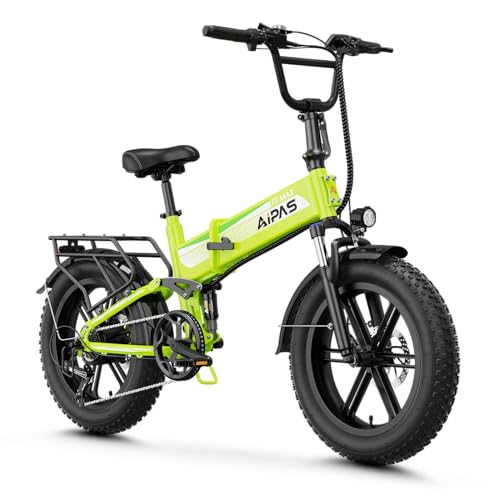 Aipas F3 MAXBest for hills and range
 DTTZH A12Best for keyless starting
 URLIFE F1LBest compact commuter
Start with the battery, the most common culprit
An electric bike cannot run without its battery, because the battery is the only source of power for the motor, display and controller. Pedaling alone still moves the bike, but nothing electric will work. That is why a flat or poorly seated battery makes the whole bike seem broken.
Camping makes battery trouble more likely. Bikes sit in a car trunk or tent for days, get bumped on rough roads, and often miss a full charge before the trip. Check the charge level first, then make sure the battery is fully clicked into its mount and the key switch, if your model has one, is turned on.
- Charge the battery fully at home before you leave.
- Confirm the charger light shows a normal charging pattern, then a full indicator.
- Re-seat the battery firmly and try the power button again.
- Look at the battery contacts for dirt, moisture or bent pins.
Check connections and wiring
Folding bikes have more joints and cables than a standard e-bike, and each fold stresses them. A plug that has worked loose is a frequent reason for no power, a blank display or an assist that cuts in and out.
With the battery removed and the bike off, look along the frame for pinched, frayed or kinked cables, especially near the hinge. Press each visible connector gently to confirm it is seated. Never pull on a cable to test it, and never touch exposed wires or open the battery case.
Look at the display, sensors and controls
If the battery and wiring look fine, the problem may be a control input. Many bikes cut motor power when a brake lever sensor is triggered. A lever that is slightly pulled in, or a sensor knocked out of place during transport, can stop the motor from engaging.
Check that both brake levers return fully and that nothing is pressing on them. Then check the display for an error code and look it up in your manual. The code often points straight to the sensor, motor or controller area.
Also confirm the assist level is set above zero. A bike left in the lowest or off setting will feel like it has no motor.
Cold, heat and moisture on the campsite
Weather affects electric bikes more than most people expect. Cold temperatures reduce how much usable power a battery can deliver, so a bike that worked in the garage may feel weak or shut off early on a chilly morning. Keeping the battery indoors or in the tent overnight helps.
Heat is a problem too. Do not leave a battery in a hot car or in direct sun. Moisture can disturb contacts and connectors, so wipe the battery mount dry and keep the bike covered. Do not wash a bike with a pressure sprayer, and do not charge a battery that is wet or has been heated by the sun.
Quick troubleshooting table
Use this table to match what you see to the most likely cause and the first thing to try.
| Symptom | Likely cause | First thing to try |
|---|---|---|
| Nothing turns on | Drained or loose battery | Charge fully and re-seat the battery |
| Display on, no motor help | Brake sensor or assist set to zero | Check levers and raise assist level |
| Power cuts out over bumps | Loose connector or battery mount | Re-seat battery and inspect cables |
| Weak help in cold weather | Cold battery | Warm the battery indoors before riding |
| Error code shown | Sensor, motor or controller fault | Look up the code in your manual |
| Battery will not charge | Charger, port or battery fault | Try another outlet and inspect the port |
Safety before you troubleshoot
Switch the bike off and remove the battery before touching wiring or connectors. Do not open the battery pack, and do not use a damaged battery or charger. A swollen, hot or leaking battery should be kept away from anything flammable and taken to a proper recycling or service point.
Always charge in a dry, ventilated spot, never inside a sleeping tent, and never unattended overnight. After any fix, check the brakes and the folding latch before you ride, since a loose latch on a folding frame is a serious fall risk. A helmet is a good idea on every ride.
If it still won't work, or you are choosing a better fit
If you have gone through every check and the bike still has no power, the controller, motor or battery cells may need professional service. Warranty terms usually cover these, so contact the seller or a qualified bike shop rather than forcing repairs on the trail.
If your bike keeps struggling with the demands of camping trips, such as long distances between charges or rough ground, it may simply be the wrong match. Our folding electric bike for camping comparison lays out published specifications side by side so you can match battery capacity, weight and fold size to your trips.
When you compare options, think about how you camp. A lighter bike is easier to lift into a car, while a larger battery helps on longer rides away from an outlet. Our camping e-bike guide is a good place to weigh those trade-offs.
Frequently asked questions
Can I ride my folding e-bike if the motor isn't working?
Usually yes, as a regular bike, but expect it to feel heavier. Folding e-bikes carry extra weight from the motor and battery, so pedal gently and use lower gears on hills.
Why does my battery die faster at camp than at home?
Cold weather, hills, loose gravel, high assist levels and carrying extra gear all use more power. Starting with a full charge and a warm battery helps.
How should I store the battery between trips?
Keep it in a cool, dry place indoors, away from heat sources. Follow the storage charge guidance in your manual rather than leaving it fully drained.
Is it safe to charge the battery at a campsite?
Only if you have a dry, covered, ventilated spot with a safe power source, and you stay nearby. Avoid charging inside a tent or in a closed vehicle.