Why Your Car Has a Vacuum Leak and How to Find It
A car vacuum leak means unmetered air is getting into the engine through a crack, loose hose, worn gasket or failed part. It usually comes from aging rubber and plastic, and you find it by listening for a hiss, inspecting hoses and gaskets, and checking the spots most likely to fail. A smoke test is the most reliable method, but a careful visual and sound check finds many leaks.
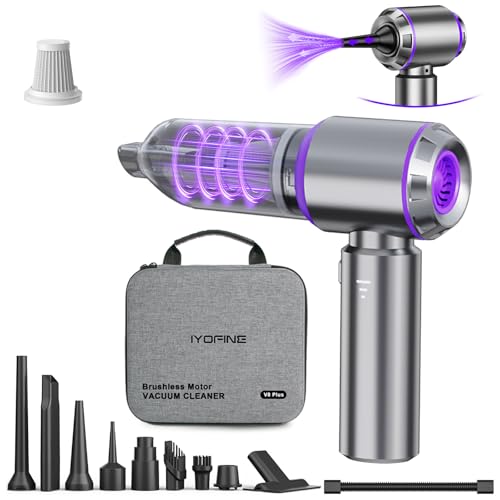 IYOFINE V8 PLUSLightest, fastest to charge
 FAOGO A01-UltraLongest runtime
 FAOGO X12-UltraTop suction, swappable battery
What a vacuum leak actually is
Your engine creates suction as it draws air in. Carmakers use that suction to run other parts, such as the brake booster, the crankcase ventilation system and the emissions controls. Rubber hoses, plastic fittings and gaskets carry that suction around the engine bay.
When one of those parts cracks or comes loose, extra air gets pulled in that the engine computer did not measure. The mixture of air and fuel goes off balance, and the engine runs poorly. That is a vacuum leak.
Many drivers hear the term and think of a cleaning tool. A car vacuum cleaner is a separate thing. A vacuum leak is an engine problem, and it has nothing to do with the tool you use on carpets and seats.
Why leaks happen
Most leaks come from age and heat. Rubber hardens over time, plastic gets brittle, and constant engine heat and vibration finish the job. The parts below fail most often.
- Cracked or split vacuum hoses, especially at bends and where they meet a fitting
- Hoses that have popped off a nipple after a repair or from vibration
- A worn intake manifold gasket or throttle body gasket
- A leaking brake booster diaphragm or a cracked booster hose
- A stuck-open or leaking PCV valve or its hose
- A cracked plastic intake tube or loose air intake clamp
- Worn seals on the EGR valve or other emissions parts
Signs and sounds that point to a leak
The most common clue is a hissing or whistling sound from the engine bay that is louder at idle. Some drivers describe it as a vacuum sound or a sucking noise. The sound often changes when you rev the engine or press the brake pedal.
Other symptoms show up in how the car runs. None of them proves a leak on its own, because other faults can cause the same things.
- Rough or unstable idle, or an idle that runs too high
- Hesitation or stumbling when you accelerate
- A check engine light, often with lean mixture codes
- Poor fuel economy
- A stiff or hard brake pedal if the brake booster is involved
- Stalling at stops
How to find a vacuum leak step by step
Start with the simple checks. You do not need special gear for the first few steps, and many leaks show up before you try anything else.
Work only when the engine is cool, or be very careful around hot parts.
- Listen first. With the engine idling, move slowly around the engine bay and listen for a hiss. A length of rubber hose held to your ear (not touching moving parts) can help you pinpoint the source.
- Look over every hose. Check for cracks, splits, soft or mushy spots, and ends that are loose or sitting crooked on their fittings.
- Check the big connections. Look at the intake tube, clamps, throttle body and the joint where the manifold meets the cylinder head.
- Pull the oil filler cap and check the PCV hose. A cracked hose or a dry, worn seal can leak air.
- Test the brake booster. Press the brake pedal with the engine off several times, then hold it down and start the engine. The pedal should sink slightly. If it does not, or if you hear a hiss at the pedal, suspect the booster or its hose.
- Use a soapy water spray on suspect joints and gaskets. If bubbles form or get pulled in at idle, you found the leak.
- If you still cannot find it, a smoke test is the next step. A shop smoke machine pushes harmless smoke into the intake system, and smoke escapes from the leak.
Which finding method fits you
Each method has a trade-off between effort, equipment and how sure you can be of the result. The table sums up the common options.
| Method | What you need | Best for |
|---|---|---|
| Listening | Your ears and a length of hose | Large leaks with a clear hiss |
| Visual check | A flashlight | Cracked or loose hoses |
| Soapy water spray | Spray bottle and dish soap | Gaskets and joints you can reach |
| Smoke test | Smoke machine or a shop visit | Small leaks that hide from other methods |
| Scan tool codes | OBD-II reader | Narrowing down which system is affected |
Safety and cleanup before you start
The engine bay has hazards. Keep hands, hair and loose clothing away from belts and the cooling fan, which can move even when you do not expect it. Let the exhaust manifold cool down, because it can burn you. Wear safety glasses, since debris and fluid can fly when you handle hoses and sprays.
Avoid spraying flammable products such as carburetor cleaner or propane around a running engine to find leaks. They can catch fire near hot parts and sparks. Soapy water is safer. Also run the engine outdoors or with the garage door open, because exhaust contains carbon monoxide.
A dirty engine bay can hide cracks and make it hard to see wet spots. Before you start, brush off loose dust and debris. A handheld unit with a blower function can help with light dust on a cool engine. Our best car vacuum comparison shows which models list a blower function, such as the IYOFINE V8 Plus and the FAOGO X12-Ultra. Keep any cordless unit away from fluids and open wiring, and do not use it as a substitute for proper degreasing.
If your real goal is cleaning crumbs and pet hair from the cabin, our car vacuum comparison page lists suction, weight and accessories side by side.
When to call a mechanic
Some leaks are simple, like pushing a loose hose back on. Others are harder. A leaking intake manifold gasket, for example, often needs parts removed and new gaskets fitted.
Get help right away if the brake pedal feels hard or the car stalls in traffic, because a failing brake booster affects stopping. A shop can run a smoke test and read stored codes to confirm the source.
Fixing a leak early is worth it. A lean running engine can overheat, and the issue can lead to other emissions faults if left for months.
Frequently asked questions
Can I drive with a vacuum leak?
A small leak may let the car run for a while, but it can cause rough running, poor mileage and a lit check engine light. A leak that affects the brake booster or causes stalling is a safety risk, so have it checked soon.
Does a vacuum leak always set a check engine light?
No. Small leaks may not trigger a code right away. When a code does appear, it often points to a lean fuel mixture, but it does not name the exact leaking part.
Why does my idle surge or run high with a leak?
The extra air throws off the mixture, and the engine computer tries to correct it. That can make the idle bounce up and down or sit higher than normal.
Is a vacuum leak expensive to fix?
It depends on the part. A loose or cracked hose is a simple repair, while a manifold gasket or brake booster takes more labor. A proper diagnosis keeps you from replacing parts that are not the problem.