Why Does Gutter Sealant Leak, Bubble or Stay Sticky?
Gutter sealant usually fails because of the surface, the weather or the way it was applied, not because the tube was bad. Leaks come from dirt, movement and cracked old sealant. Bubbles come from trapped moisture or air, and stickiness comes from thick beads, cold or damp air, or old product. A clean seam, a flexible formula and a dry window fix most of it.
 DAP 7079800765Best overall
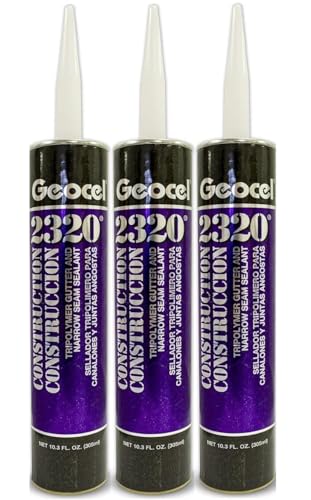 Geocel ORG7449242/3PK-FBABest value pack
 DAP 7079818399Best for small repairs
The short version
Most sealant problems trace back to three things: the surface under the bead, the conditions on the day, and how much the seam moves. Sealant is a bonding material, so it only works as well as its contact with clean metal. If that contact is weak, water finds a way in.
Gutters also move more than most people expect. Metal expands in the sun and shrinks on cold nights, and every cycle tugs at the seams, corners, end caps and downspout outlets. Those are the same spots where leaks usually start.
Why gutter sealant leaks
A leak is almost always a bond failure or a crack. Either the sealant never stuck well, or it stuck and later tore away as the joint moved.
Common causes include:
Sometimes the sealant is fine and the gutter is the real problem. A sagging run, a poor slope or a clog holds water at the joint, and standing water exploits any weak point. Fix the slope or the clog first, or new sealant will fail the same way.
- Dirt, oil, rust or old sealant left under the new bead
- A rigid or shrinking formula that cannot follow the metal
- A bead that is too thin or has gaps along the seam
- Rain or standing water arriving before the sealant cured
- Sun damage to a product that is not made for outdoor UV
Why it bubbles
Bubbles come from something trapped under or inside the bead. Moisture on the metal can turn to vapor in warm sun, and air gets caught when the bead is laid on too thick or the nozzle skips along the seam. Rain or heavy dew before the surface skins over can also pit the bead.
A few small surface bubbles are often cosmetic. A bubble that opens down to the metal is a leak path, though, so cut it out and redo it. Some sealants are made for damp surfaces, but check the label before assuming yours is. Otherwise let the metal dry fully first.
Why it stays sticky or dries out
Sticky sealant is usually still curing. Many gutter sealants cure from the outside in by reacting with moisture and air, so a thick bead, cold temperatures or very dry air can slow the process. A tube that is old or was stored open can also cure poorly.
The opposite problem, dried and cracked sealant, comes from age, sun and movement. A formula that stays flexible keeps working longer. A tube that has hardened in the nozzle is past use, so replace it rather than thinning or forcing it.
Sticky is not always a failure. Allow the rain ready time on the label, plus extra in cool weather. If the bead is still gummy after several dry days, scrape it out and start again.
Quick symptom guide
Use this table to match what you see to the likely cause.
| What you see | Likely cause | What to do |
|---|---|---|
| Water drips from a seam | Weak bond or cracked old sealant | Scrape, clean and reseal |
| Bubbles that open to metal | Trapped moisture or air, thick bead | Cut out and reapply a thinner bead |
| Gummy bead after days | Cold, damp air or a bead that is too thick | Wait in dry weather, then redo if needed |
| Hard, cracked bead | Age, sun and joint movement | Remove and use a flexible formula |
| Bead peels away cleanly | Dirty or oily surface | Clean the metal before resealing |
How to reseal a seam
Work in dry, mild weather when you can. Ladders are the biggest risk on this job, so use level ground, keep three points of contact, ask someone to steady the ladder, and stay well clear of power lines. Wear gloves and safety glasses while scraping, and follow the ventilation notes on the tube.
Then follow these steps:
- Scrape off all loose and cracked sealant with a scraper.
- Scrub away dirt and rust with a brush, then wipe the metal clean.
- Let the seam dry, unless your sealant is listed for wet surfaces.
- Check the minimum application temperature on the label.
- Lay one steady, continuous bead and press it into the seam with no gaps.
- Keep the area dry for the full rain ready time.
Picking a sealant that holds up
Our best gutter sealant page puts five sealants on one spec sheet. Rain ready times run from 30 to 60 minutes where listed, and packs hold 4.5 to 30.9 fl oz.
The DAP Advanced Gutter & Flashing Sealant is a hybrid polymer listed to apply from 0°F and on wet surfaces, rain ready in 30 minutes and permanently flexible. Those specs speak to the cold, damp and early rain problems above. The DAP Dynaflex is a 4.5 fl oz elastomeric tube, rated ASTM C719 for joint movement and also rain ready in 30 minutes. The medium gray DAP hybrid polymer lists 60 minutes, so it needs a longer dry window.
Some listings leave out cure time or temperature, including the Geocel 2320 options, so confirm those details on the packaging. To weigh every option side by side, see our gutter sealant comparison.
Frequently asked questions
Why does gutter sealant bubble after I apply it?
Bubbles often come from trapped moisture or air, a bead applied too thick, or rain arriving before the sealant cures. Dry the seam, press in a steady bead, and respect the rain ready time on the label.
Why does gutter sealant stay sticky?
Sticky sealant is usually still curing. Thick beads, cold or damp conditions and old product can all slow curing. Give it more time in dry weather and check the label. If it never firms up, remove it and reapply.
Can I seal over old gutter sealant?
It is better to scrape off old, cracked sealant and clean the metal first. New sealant bonds to a clean surface, not to loose or dirty material, and skipping this step is a common reason repairs leak again.
Is it safe to repair gutters myself?
Mostly, but ladders are the main risk. Set the ladder on level ground, keep three points of contact, and stay away from power lines. Wear gloves and eye protection when scraping, and follow the ventilation notes on the tube.