Why Does a Car Need a Vacuum Pump?
A car needs a vacuum pump because several systems, mainly the power brake booster, run on vacuum, and some engines do not make enough of it on their own. The pump creates that low pressure so the brakes stay light to press and small valves keep working. Gasoline engines often get vacuum for free from the intake, while diesels and many turbocharged engines need a dedicated pump.
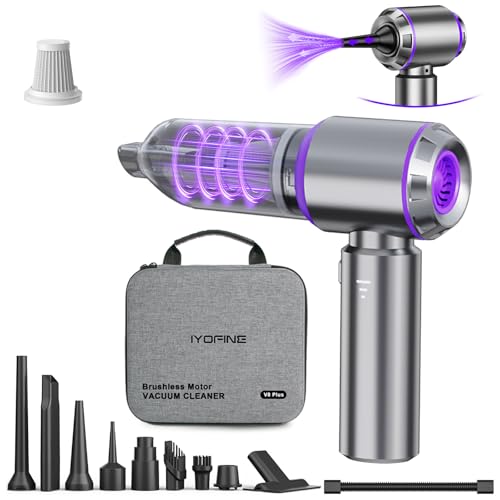 IYOFINE V8 PLUSLightest, fastest to charge
 FAOGO A01-UltraLongest runtime
 FAOGO X12-UltraTop suction, swappable battery
What a car vacuum pump actually does
A vacuum pump removes air from a sealed space so the pressure inside drops below the air outside. In a car, that pressure difference is used as a source of force. Outside air pushes toward the low-pressure side, and that push can move a diaphragm, a valve or a brake piston.
The most important job is feeding the brake booster. The booster is the round, drum-shaped part behind the brake pedal. It uses vacuum to multiply the force of your foot, so you can slow a heavy vehicle without pushing hard. Without vacuum, the brakes still work, but the pedal feels stiff and you need much more leg effort to stop.
What causes engine vacuum
In a typical gasoline engine, vacuum comes from the intake system. The pistons pull air down into the cylinders, and the throttle plate limits how much air can enter. The space behind the closed or partly closed throttle is therefore at lower pressure than the air outside. That low pressure is engine vacuum, and the car taps it through a hose to the brake booster.
Vacuum is strongest at idle and when you lift off the accelerator. It drops when you press the pedal hard, because the throttle opens and air flows in more freely. A booster holds a reserve of vacuum, which is why you can usually make a few brake presses even if the engine stalls.
Why some engines need a separate pump
Not every engine makes useful vacuum. Diesel engines usually have no throttle plate restricting the intake, so there is little vacuum behind it. Turbocharged and direct-injection gasoline engines also tend to run with the throttle more open, and boost pressure replaces vacuum under load. Engines built for efficiency often reduce intake restriction on purpose.
In those cases, the maker adds a pump to guarantee vacuum. Common designs include:
- Mechanical vane pumps, usually driven by the camshaft or the engine itself, so they run whenever the engine turns.
- Electric pumps, switched on by a sensor when vacuum falls below a set level.
- Diaphragm-style electric units, often fitted to hybrids and engines that shut off at stops, where the engine is not always running.
Other parts that use vacuum
Brakes are the headline use, but vacuum shows up elsewhere. Some cars use it to operate exhaust-gas recirculation valves, exhaust flaps, turbocharger wastegate actuators and parts of the emissions system. Older vehicles may also use vacuum for heater and ventilation door actuators or other small controls.
Because one hose network can feed several parts, a single leak can cause a mix of symptoms. A cracked line may cause a rough idle, a hissing sound and a hard brake pedal at the same time.
Signs the vacuum system is failing
The brake pedal is the easiest warning. A pedal that feels hard, or that needs more effort than usual, points to low vacuum or a failing booster. Other clues include a hissing sound near the pedal, an engine that idles roughly, or a warning light on cars that monitor brake vacuum.
Check the basics first:
- Look for cracked, loose or collapsed vacuum hoses.
- Inspect the check valve where the hose meets the booster.
- Listen for hissing at idle with the hood open.
- For a pump, listen for unusual noise and check for oil leaks around it, since mechanical pumps are often lubricated by engine oil.
Safety notes
A hard brake pedal is a safety problem, not a comfort problem. If the pedal suddenly stiffens, brake firmly and steadily, pull over when safe and have the car checked before driving it again. Do not keep driving on a weak booster.
Keep hands, hair and loose clothing away from belts and fans when the engine is running. Wear eye protection when working near the engine bay, and let the engine cool before touching exhaust parts. If you are not comfortable working on brake components, have a qualified technician do the job.
Not the same as a shop vacuum pump or a car vacuum
The word vacuum causes mix-ups, so here is how the three common meanings compare.
The pump inside your car supports the brakes and other systems. A separate bench pump is used by technicians to pull air and moisture out of a refrigerant system before charging it. If that is your goal, see our comparison of the best vacuum pump for auto ac, or browse the wider best vacuum pump page for other uses. A handheld cleaner for crumbs and pet hair is something else again, and you can compare those on our best car vacuum page.
| Type | What it does | Where it lives |
|---|---|---|
| Engine vacuum pump | Supplies vacuum to the brake booster and actuators | Mounted on the engine or near it |
| Service vacuum pump | Removes air and moisture from an AC system before charging | Technician's bench or garage |
| Handheld car vacuum | Sucks up dust, crumbs and hair from the interior | Trunk or door pocket |
Frequently asked questions
Can I drive without a working vacuum pump?
The car may still move and brake, but the pedal will be hard and stopping distances can grow because you must push much harder. It is unsafe, so get it repaired promptly.
Do electric cars have a vacuum pump?
Many do. With no engine to make vacuum, electric and hybrid models commonly use an electric pump to feed the brake booster, though some use a different brake assist design.
How long does a car vacuum pump last?
There is no set lifespan. Mechanical pumps tied to engine oil can wear sooner if oil changes are skipped, so follow your owner's manual for service.
Will a vacuum leak affect performance?
Yes. Unmetered air entering through a leak can upset the fuel mix, causing rough idle, poor response or a check engine light, along with a harder brake pedal.