Why Do My Work Gloves Smell So Bad and How to Fix It
Work gloves smell because sweat, skin oils, dirt and shop fluids soak into the material and stay damp, which lets odor-causing bacteria and mildew grow. A sour or vinegar-like smell usually points to bacteria breaking down sweat in gloves that never dried fully. Washing as the maker allows, drying fully in open air, and rotating pairs fixes most cases.
 HANDLANDY 5972Best overall
 JUMPHIGH Washable mechanical work pick
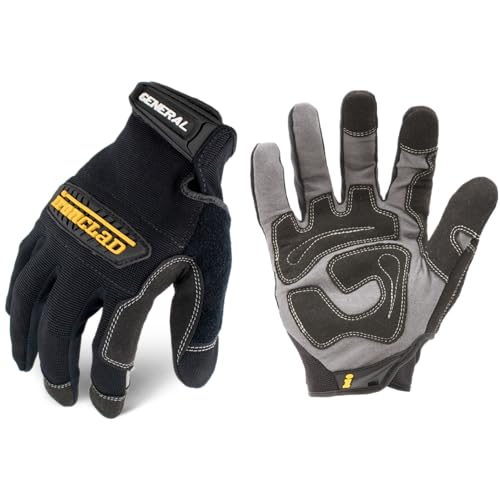 Ironclad GUG-04-LDouble-stitched shop glove
What makes work gloves smell
Your hands sweat during a long shift, and a glove traps that moisture against your skin. Add skin oils, dust, grease and the occasional spill, and the lining becomes a good place for bacteria to grow. The smell comes from what those bacteria produce as they feed on sweat and dead skin.
Mildew is the other common cause. If gloves get stuffed in a toolbox or truck while still damp, mold can start within a day or two. That gives you a musty, damp-basement smell instead of a sweaty one.
Some smells come from the job itself. Gasoline, solvents, brake cleaner and oil soak into fabric, foam and leather and linger long after the work is done.
Why gloves can smell like vinegar
A sharp, sour, vinegar-like odor is common in gloves that stay damp and warm. Certain bacteria turn sweat into acidic byproducts, and some of those smell like vinegar or sour milk. It is a sign that bacteria have built up in the lining, not that the glove is ruined.
If the vinegar smell is strong right after you take the gloves off, they are probably holding moisture. Gloves with foam padding and thick palms take longest to dry, so these are the usual suspects. A smell that comes back within a day of washing means moisture is still trapped somewhere inside.
Check the care label before you wash
Not every glove can go in a washing machine. Washing the wrong way can shrink the material, stiffen leather or break down padding. Look for a care tag or the maker's listing first.
On our best mechanic gloves page, several pairs are listed as machine washable, including the JUMPHIGH synthetic leather glove, the Mechanix Wear Original and FastFit styles, and a nitrile-coated knit pick. The JUMPHIGH listing specifically says to machine wash cool and air dry to keep the size consistent. Other gloves, such as the Ironclad GUG04L, have no washing spec listed, so treat them as hand-wash only unless the maker says otherwise.
The table below shows how to approach common glove types. It is general guidance, so the maker's instructions always come first.
| Glove type | What to look for | Safest cleaning approach |
|---|---|---|
| Synthetic leather palm, machine washable listed | Care label or listing says machine wash | Cool water, gentle cycle, air dry |
| Synthetic leather or suede, no washing spec | No care instructions given | Hand wash gently, air dry |
| Coated knit (nitrile or polyurethane) | Maker may limit use in oily or wet work | Follow the label, cool water, air dry |
| Real leather | Stiffens when soaked and heat dried | Wipe and air out, use leather-safe cleaner |
How to clean smelly gloves step by step
Sun and a breeze help, but do not leave gloves on a radiator or in a hot dryer. High heat can shrink synthetic leather and warp foam and rubber parts. Stuffing the fingers loosely with paper towels can speed up drying, but change them as they get damp.
- Shake out loose dirt and debris, and wipe off any grease or oil you can see with a rag.
- Turn the gloves inside out if the material allows, so the lining gets the most cleaning.
- Wash in cool water with a mild detergent. Use a gentle cycle for machine washable pairs, or hand wash in a basin and knead the fingers and palm.
- For a stubborn sour smell, soak hand-washable gloves for about 30 minutes in cool water with a small splash of white vinegar, then rinse well. Skip this on real leather.
- Rinse until the water runs clear so no detergent is left to attract dirt.
- Press out water without wringing hard, then reshape the fingers.
- Dry in open air, away from direct heat, until completely dry inside, including the padding.
Safety notes before you wash
Gloves that have soaked up gasoline, solvents, brake cleaner or other flammable liquids should not go in a washing machine or dryer. Fumes and residue are a fire risk. Let them air out outdoors, away from heat and open flame, and replace them if the smell does not fade.
Never mix bleach with vinegar or other cleaners. The combination can release harmful fumes. Skip bleach on work gloves anyway, because it can weaken fabric and stitching.
If your hands itch, redden or break out after wearing a smelly pair, stop using them and wash your hands well. Wear clean gloves when handling chemicals, and check the product label for the right protection.
Keep the smell from coming back
Prevention is easier than repeated deep cleaning. The main goal is to let gloves dry fully between shifts.
Rotate two pairs if you wear gloves every day, so each pair gets a full day to dry. Hang them by the cuff or lay them open instead of balling them up in a pocket or bag. Never store damp gloves in a closed toolbox or truck cab.
Clean hands also help. Washing and drying your hands before putting gloves on reduces how much oil and bacteria goes into the lining. Moisture-wicking liners can help too.
Glove design plays a part. Breathable backs and vented palms let some heat and moisture escape, and our mechanic glove comparison lists features like these where makers publish them. A knit wrist helps keep debris out, while a hook and loop cuff lets you adjust the fit. A glove with a washing spec also makes regular cleaning far easier than one with none.
When it is time to replace them
If the smell returns right after a careful wash and full dry, bacteria may be deep in the padding or lining. The same goes for gloves with cracked leather, worn palms, torn stitching or a stiff, crusty feel. At that point, cleaning will not restore them, and a worn glove protects less anyway.
Before you buy a new pair, think about how you work. For greasy, sweaty jobs, a washable glove with a breathable back is easier to keep fresh. Our comparison page lays out palm material, padding, closure type and washability side by side so you can match a pair to your routine.
Frequently asked questions
Can I put smelly work gloves in the dryer?
Usually no. Heat can shrink synthetic leather and damage foam and rubber parts. Air drying is safer, and some makers specifically recommend it. Never dry gloves that have fuel or solvent on them.
Does freezing gloves kill the smell?
Not reliably. Cold may slow bacteria, but it does not remove the sweat and oils feeding them. Washing and drying fully works better.
Will baking soda help?
It can take the edge off mild odors. Sprinkle some inside dry gloves, leave them overnight, then shake it out. Deep or sour smells still need a wash.
How often should I wash work gloves?
Wash them when they look or smell dirty, which for daily wear may be every week or two. Let them dry fully between uses either way.