Why Do My Garage Lights Flicker and How Do I Fix It?
Garage lights usually flicker because of a loose bulb, a dimmer or sensor that does not match the LED, a heavy appliance sharing the circuit, or a worn-out fixture. Start by tightening the bulb and swapping in a known good one. If flicker continues or comes with buzzing, a warm switch, or a burning smell, turn off the circuit and call an electrician.
 POLARPRA JP-CKD-1Best overall
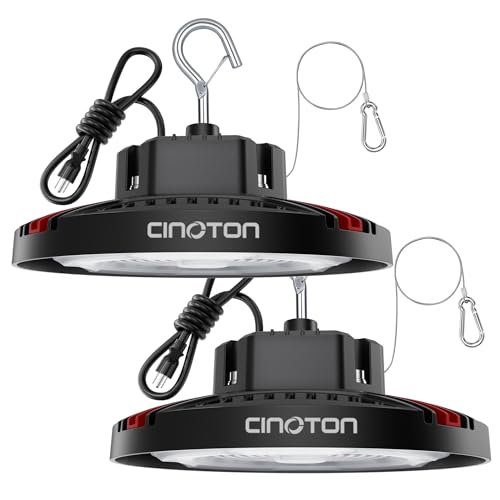 CINOTON KING-HR150EBrightest and most efficient
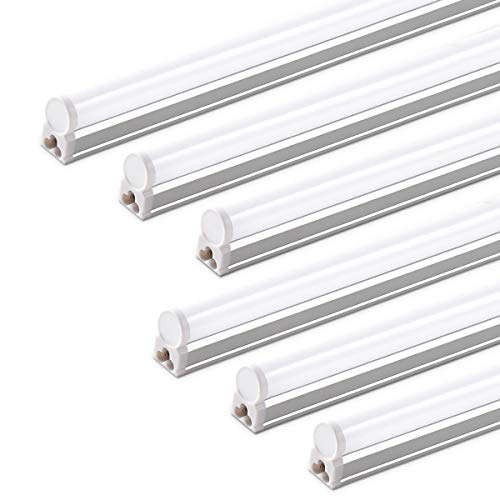 Barrina AAL20Truest colors, longest chain
The most common reasons garage lights flicker
A garage is a harder place for lighting than most rooms. It has big motors, temperature swings, dust, and often an old circuit shared with outlets. Most flicker comes from a short list of causes.
Knowing which pattern you have saves time. A light that flickers all the time points to a different problem than one that dips only when the garage door opener or air compressor starts.
- A loose bulb or a worn socket that does not hold contact
- A dimmer switch, motion sensor, or timer that is not compatible with LED lights
- A heavy load, such as a compressor, freezer, or table saw, on the same circuit
- A failing LED driver, which is the small power supply inside the fixture
- A loose wire at the switch, fixture, or junction box
- Cold weather, which can make some LED drivers slow to settle
- A bulb or fixture that has simply reached the end of its life
Start with the easy checks
Work through the simple fixes first. They solve a surprising share of cases and cost nothing.
Safety first: turn the light switch off before touching a bulb, and let a hot bulb cool. Use a sturdy stepladder on level ground, and never stand on the top step or on a bucket or chair.
- Turn the switch off and let the light cool.
- Screw the bulb in snugly. It should be firm, not forced.
- Swap in a different bulb that you know works. If the flicker stops, the old bulb was the problem.
- Try the same bulb in another socket. If it flickers there too, the bulb is bad.
- Look at the socket. If the center tab looks flat, you can have an electrician check it.
- Check whether the flicker happens only when the switch, opener, or another device is in use.
Why LED garage lights in particular flicker
LED lights react to electrical conditions differently from old incandescent bulbs. An incandescent filament stays hot and smooths out small power changes. An LED depends on its driver, so a weak driver or unstable power shows up as visible flicker.
The most common LED-specific cause is a dimmer. Many older dimmers were built for high-wattage incandescent bulbs and do not work well with a low LED load. If your garage light is on a dimmer, either replace it with a dimmer rated for LEDs or take the dimmer out of the circuit. Also check that the bulb itself says it is dimmable. A non-dimmable LED on a dimmer will often flicker or buzz.
Motion sensors and timers can cause the same trouble. One linkable tube listing on our comparison page notes that it is not compatible with motion sensors and that using one can shorten its lifespan. Read the fine print for your fixture before adding a sensor.
Heat is another factor. Cheap or crowded fixtures that trap heat can stress the driver. Fixtures with an aluminum heatsink or open panel design shed heat better, which helps a driver last.
Why outside garage lights flicker
Exterior lights face rain, wind, and big temperature swings. Moisture in a socket or fixture can cause intermittent contact, and corroded connections can flicker long before they fail completely.
Check that the fixture is rated for the location. Some fixtures are made for damp or outdoor use, and some are indoor only. One high bay light on our list is described by its maker as suitable for indoor and outdoor use, which shows that the rating differs by product. Always match the rating to where you hang it.
Photocells and motion sensors on outdoor lights are another common culprit. A dying photocell can switch the light on and off rapidly at dusk. If the flicker happens mainly at dawn or dusk, the sensor is the first thing to suspect.
Safety note: water and electricity do not mix. Turn off the breaker, not just the switch, before opening any outdoor fixture, and use a non-conductive ladder. If you see water inside a junction box, stop and call an electrician.
Match the symptom to the likely fix
This table sums up the most common patterns. Use it to decide whether you can fix the problem yourself or need help.
If more than one row fits, fix the easiest one first and watch what changes.
| What you see | Likely cause | What to try |
|---|---|---|
| Flickers all the time, one fixture only | Bad bulb or failing driver | Swap the bulb, then replace the fixture if it continues |
| Flickers when the opener or a tool starts | Shared circuit with a heavy load | Move the tool to another circuit or ask an electrician about a dedicated one |
| Flickers or buzzes when dimmed | Dimmer not made for LEDs | Install an LED-rated dimmer or remove the dimmer |
| Flickers only when cold | Driver slow in low temperatures | Check the fixture's rated operating range and consider a replacement |
| Flickers at dusk or dawn outside | Photocell or motion sensor | Replace or adjust the sensor |
| Flickers with a warm switch or burning smell | Loose or damaged wiring | Turn off the breaker and call an electrician |
When to stop and call an electrician
Loose wiring can cause arcing, which creates heat and is a fire risk. Do not keep using a light that flickers along with a burning smell, a hot or discolored switch plate, buzzing from the wall, or a tripping breaker.
Also call a professional if lights flicker throughout the house, or if the flicker happens when large appliances start. That can point to a problem at the panel or in the service connection, which is not a do-it-yourself job.
Never open a fixture or junction box with the power on. Switching off the wall switch is not enough, because the wires inside may still be live. Turn off the breaker and confirm the power is off with a non-contact voltage tester. Wear safety glasses when working overhead, since dust and debris can fall into your eyes.
If you decide to replace the fixture
If a fixture is old or the driver has failed, replacing it is often the simplest fix. Look for a safety certification, because an ETL or UL listing means a recognized lab has certified the fixture to electrical safety standards. In our best garage lights comparison, several screw-in lights list no certification or only an FCC listing, so check that line of the spec sheet.
Mounting also matters. Screw-in panel lights fit a standard E26/E27 socket and need no wiring, which makes them quick to swap. Linkable tubes suit long ceilings or benches but are more work to hang. You can see lumens, certification, and mounting side by side in our garage light comparison and pick the style that suits your ceiling.
Whatever you choose, install it as the maker describes and keep it on a circuit and switch that suit LEDs. A good fixture on a bad dimmer will still flicker.
Frequently asked questions
Can a bad light switch cause flickering?
Yes. A worn switch can make poor contact inside, which causes intermittent flicker. If the switch feels loose, crackles, or runs warm, have it replaced.
Do LED lights flicker when they are about to die?
Often, yes. A failing driver or worn LED chips can cause flicker, dimming, or color shifts before the light stops working. Replace the fixture if a fresh bulb or socket does not help.
Is flickering garage light dangerous?
Not always, but it can be. A bulb that is slightly loose is harmless, while flicker from damaged wiring can mean arcing and heat. Treat flicker with a burning smell or warm hardware as urgent.
Why do my garage lights flicker when the door opens?
The opener motor draws a burst of current when it starts. If it shares a circuit with the lights, you may see a brief dip. A dedicated circuit for the opener or the lights usually solves it.
Can the wrong bulb type cause flicker?
Yes. A non-dimmable bulb on a dimmer, or a bulb that does not suit an enclosed fixture, can flicker. Match the bulb to the fixture and the switch.