Why Do Glue Guns Explode and How to Stay Safe
Most glue guns that seem to explode are not truly exploding. Usually a blocked nozzle, a jammed stick, moisture, a damaged cord or a failing heating part makes the gun burst, spit hot glue, pop or short out. You can prevent almost all of this by using the right sticks, never forcing the trigger, and retiring any gun with damaged parts.
 ROMECH ROMECH - 119Best overall
 Surebonder CL-800FW-NCordless full-size option
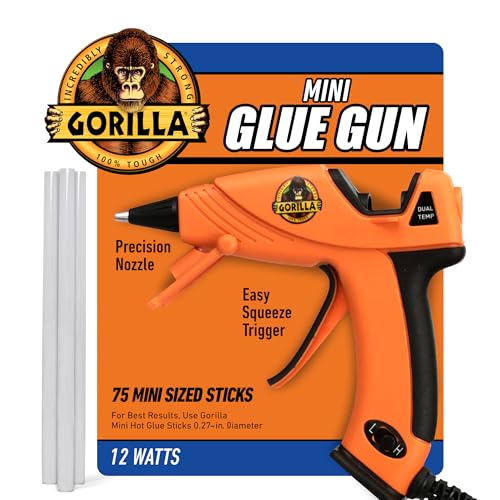 GORILLA 8401515Most sticks included
What "exploding" usually means
When people say a glue gun exploded, they usually describe one of a few events. Hot glue shoots out of the back of the barrel. The nozzle spits a burst of molten glue. The plug or cord sparks and the gun goes dead. Or the plastic body cracks and glue oozes out.
A real blast is very unlikely with a plugged-in gun, because it has no sealed tank or large pressure chamber. The danger is still real, though. Molten glue sticks to skin and keeps burning, and a short in the cord or housing can start a fire or give you a shock. So treat every one of these events as a warning, not a fluke.
Why glue guns get so hot
A glue gun has to melt solid plastic sticks fast enough to flow out of a small nozzle. To do that, an electric heating element inside the barrel turns power into heat. The element warms the metal chamber, the chamber melts the stick, and the trigger or your thumb pushes new stick forward to move molten glue out.
Many basic guns have no digital controls. Instead, they rely on a heating part that limits its own temperature as it warms up. That design is simple and cheap, but it means the gun has very little protection if something else goes wrong, such as a clogged nozzle or damaged wiring. The nozzle, barrel and any metal tip stay hot long after you unplug the gun, so never touch them to check.
The most common causes of a glue gun failure
Most problems trace back to a short list of causes. The table below matches each one to what you will see and what to do about it.
The pressure-related causes deserve a closer look. If the nozzle is partly blocked with old, burnt glue, the stick has nowhere to go. Pushing harder on the trigger builds up pressure behind the blockage, and the glue can then force its way out of the back of the barrel or burst from the tip. Wet or dusty sticks add to the problem, because moisture turns to steam in the hot chamber and makes the glue pop and spit.
| Cause | What you may see | What to do |
|---|---|---|
| Blocked or clogged nozzle | Glue will not flow, then bursts out or leaks from the back | Unplug, let it cool fully, then clear the tip with the gun cold |
| Forcing the trigger or stick | Stick bends, glue squirts, trigger feels very stiff | Stop pushing, wait for the gun to heat longer, check the nozzle |
| Wrong or wet glue sticks | Popping, spitting, bubbles in the glue | Use dry sticks that match your gun's size and heat type |
| Damaged cord or plug | Sparks, burning smell, flickering, dead gun | Unplug if safe, stop using it, replace the gun |
| Cracked or melted housing | Glue seeping from the body, warped plastic | Retire the gun, since internal parts may be exposed |
| Left on too long | Very hot body, smoking glue, scorched smell | Unplug, let it cool, and switch it off after each session |
| Damaged battery (cordless guns) | Swelling, unusual heat, hissing | Remove from use and follow the maker's battery disposal advice |
How to use a glue gun safely
Good habits stop most accidents before they start. Follow these steps each time you glue.
Also keep the work area tidy. Move paper, fabric and spray products away from the gun, because a hot nozzle can scorch or ignite them. Never use a glue gun near flammable vapors, such as aerosol adhesives or solvents.
- Check the cord, plug and body for cracks, cuts or exposed wire before you plug in.
- Match the glue sticks to your gun. Check the stick diameter and whether the gun is made for high-temperature or low-temperature sticks.
- Keep sticks dry and clean. Store them in a closed bag or box.
- Let the gun heat fully before you squeeze the trigger, and feed the stick gently.
- Rest the gun on its stand or a heat-safe pad, never on its side on your project.
- Wear safety glasses if you are gluing near your face or working with anything under tension, since hot glue can spit.
- Unplug the gun when you finish and let it cool before you store it.
What to do if your glue gun fails
If glue spits or bursts but the gun still works, stop, unplug it and step back. Let the gun cool completely on a heat-safe surface before you look at it. Once it is cold, check the nozzle for a blockage and the sticks for moisture. If the problem repeats, replace the gun.
If you see sparks, smoke or smell burning plastic, treat it as an electrical fault. Pull the plug from the wall only if you can do it safely without touching hot parts. If you cannot, switch off power at the breaker. Do not use water on an electrical fire. A small fire is a job for a suitable extinguisher, and a larger one means leaving and calling emergency services.
If hot glue lands on skin, do not peel it off. Cool the area right away under cool running water, and get medical help for large, deep or blistered burns, or any burn on the face, hands or near the eyes.
Choosing a safer glue gun
No gun is risk free, but some designs make safe use easier. Look for a stable stand, a comfortable trigger that does not need extra force, a clear indicator that it is on, and a sturdy cord. A low-temperature option can also be a sensible choice for light crafts and for work where skin contact is likely, though it is not a substitute for care.
Compare these features by reading published specifications and not just the marketing. Our best glue gun comparison lines up the features that affect safe use, so you can see which designs match your projects. If you are replacing a gun that failed, it is worth reading the best glue gun page with your past problem in mind, such as a hard trigger or weak stand.
Finally, keep kids and pets away from the gun while it is plugged in. Younger children should use low-temperature tools only with an adult watching.
Frequently asked questions
Can a glue gun really explode?
A true explosion is very unlikely with a standard plug-in gun. What people usually describe is a burst of molten glue, a spark from a faulty cord, or a cracked body. These can still cause burns or fires, so stop using the gun if it happens.
Is it safe to leave a glue gun plugged in?
It is better not to. A gun left on for a long time can overheat, scorch surfaces and wear out faster. Unplug it when you finish, and never leave it on unattended.
Why does my glue gun smoke?
Smoke often means old glue has burnt on the nozzle or the stick is the wrong type. Unplug the gun, let it cool, and clean the tip. If the smoke continues or the smell is like burning plastic from the body, stop using it.
Can I use any glue stick in any glue gun?
No. The stick diameter has to fit the barrel, and the heat type should match the gun. A poor fit can jam, leak or push glue out of the back.
How do I clean a clogged nozzle?
Unplug the gun and let it cool completely. Then gently remove cooled residue from the tip with a tool that will not damage it. Never poke at a hot nozzle or push hard on the trigger to clear a blockage.