Why Do Door Hinges Squeak and How to Stop It
Door hinges squeak because metal rubs on metal with too little lubricant, often made worse by dirt, rust or a loose screw. In most cases you can stop it in a few minutes by cleaning the hinge pin and adding a suitable lubricant. If the squeak returns quickly, the hinge may be worn or the door may be out of alignment, and that needs a different fix.
 Ajingff MJMJL02Best overall
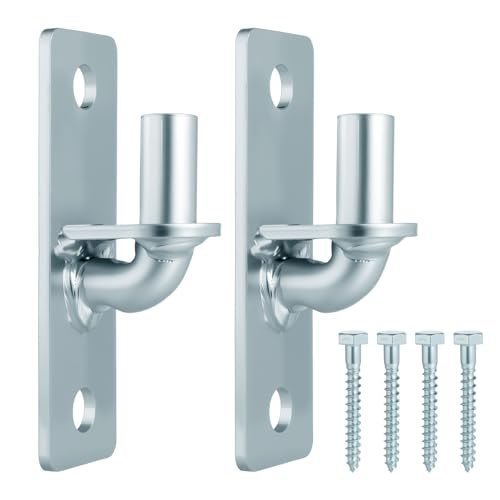 WENHUALI WENHUALI-0248Chain link pin hinge
 Insaga INPS-B-3-P2Highest listed load rating
What actually causes a hinge to squeak
A hinge is two leaves joined by a pin. Each time the door moves, the pin turns inside the knuckles, and the metal surfaces slide against each other. When the thin film of lubricant that was there originally wears away, the surfaces grab and release in tiny jumps. That vibration is the squeak you hear.
Several things speed this up. Dust and grit mix with old grease and form a gritty paste. Humidity and outdoor weather cause surface rust. Loose screws let the leaf wiggle against the door or frame. A door that has sagged slightly can also press the hinge sideways, so the pin binds as it turns.
Find the squeaky hinge first
Many doors have three hinges, but usually only one or two make the noise. Fixing the wrong one wastes time and leaves the problem in place.
Open and close the door slowly while you listen close to each hinge. You can also rest a fingertip on the knuckle of each hinge and feel for a vibration or a rough catch. Once you know which one it is, you can treat just that hinge, though lubricating all of them at the same time is harmless.
Step-by-step: how to stop the squeak
Start with the simplest method and move on only if the noise comes back. Lay an old towel or cardboard under the hinge to catch drips, because lubricant can stain flooring and paint.
- Tighten the screws. Check each hinge screw with a screwdriver. If a screw spins without tightening, the hole is stripped and needs a fix (see the next section).
- Wipe the exposed pin and knuckles with a rag to remove dust and old residue.
- Apply a small amount of lubricant to the top of the pin, where it meets the knuckle. Work the door back and forth several times so the lubricant spreads down.
- For a stubborn squeak, remove the pin. Wedge the door so it cannot move, then tap the pin upward from below with a nail and a hammer. Wipe it clean, coat it lightly and slide it back in.
- Wipe off any excess so it does not attract dust or drip onto the floor.
Which lubricant to use
Almost any lubricant will quiet a hinge for a while, but some last longer and make less mess. Thin sprays are easy to apply but may need repeating. Thicker greases and jelly stay put longer but can attract dust. Bar soap is a basic stopgap, though it is not a lasting solution.
Avoid using a water-displacing penetrant as your only treatment. These products are good for loosening rusty parts and cleaning, but they are not designed to stay on the metal as a long-term lubricant.
| Option | Best for | Watch out for |
|---|---|---|
| Silicone spray | Interior doors, clean and light application | Overspray on floors and paint |
| White lithium grease | Heavier doors and longer-lasting results | Thick, so it can collect dust |
| Light household oil | Quick fix on a clean pin | Can drip and may need repeating |
| Petroleum jelly | Coating a removed pin | Collects grime over time |
| Bar soap | Temporary quiet in a pinch | Wears off quickly |
When lubricant is not enough
If a squeak keeps coming back, look for a deeper cause. A hinge that is bent, badly rusted or visibly worn on the pin will not stay quiet for long, and replacing it is often simpler than repairing it.
Stripped screw holes are another common culprit. A traditional repair is to fill the hole with a wooden dowel or toothpick pieces coated in wood glue, let it dry, then drive the screw back in. A longer screw that bites into the framing behind the jamb also helps.
Misalignment matters too. If the door rubs the frame or latch edge, the hinge is working against uneven force. Check for shiny rub marks along the door edge, and tighten the top hinge first, since it carries most of the pull.
Outdoor gates and heavy doors
Gates and barn doors are exposed to rain and carry a lot of weight, so their hinges squeak more often and for different reasons. Rust and grit are the usual offenders, along with bare metal that has lost its protective finish.
If you are replacing hinges rather than lubricating them, consider how the hinge is built. In our best gate hinges comparison, several heavy-duty strap models list ball bearings, which reduce friction so a gate swings with less effort. The Insaga 6.7 in model also lists pre-lubricated bearings with oil-injection ports, which makes later upkeep simpler.
Finish matters as much as bearings. A galvanized or powder-coated surface helps resist rust outdoors, and rust is a major source of squeaks. You can see which models list these features side by side on the gate hinge comparison page. Check the load rating per pair against your gate's weight, and note that some sets do not include screws or bolts.
Safety notes
Wear safety glasses when tapping out a hinge pin or spraying lubricant, because pins and debris can fly and sprays can mist into your eyes. Use sprays in a ventilated area and keep them away from flames and sparks.
Doors are heavy and can swing or drop when a pin comes out. Wedge the door securely, and ask for help with a solid or oversized door. Keep fingers clear of the gap between the leaves. If a hinge is high up, use a stable ladder on level ground rather than a chair.
Wipe up any drips right away. Lubricants on a hard floor can make it slippery.
How to keep hinges quiet
A little upkeep prevents most squeaks. Wipe the hinges when you clean the door, add a small amount of lubricant once or twice a year, and recheck the screws if the door starts to feel loose. Outdoor hinges may need more frequent attention than indoor ones, especially after a wet season.
Frequently asked questions
Can I use cooking oil on a squeaky hinge?
It will quiet the noise briefly, but cooking oil can turn sticky and attract dust over time. A silicone spray or a light grease is a better long-term choice.
Why does my door squeak only in cold or humid weather?
Changes in temperature and moisture can alter how the metal surfaces grip and can encourage light rust. Cleaning and relubricating the pin usually helps.
Do I need to take the door off to fix a squeak?
Usually not. You can often lubricate the hinge in place, or remove just the pin while the door stays hung and wedged.
Should I replace the hinge or keep lubricating it?
Replace it if the pin is worn, the leaf is bent or rust is heavy. If lubricating works for months at a time, the hinge is fine.
Will a sagging door cause hinge noise?
Yes. A sagging door can bind the hinge and rub the frame. Tighten the screws, fix any stripped holes and check the gap around the door.