Which Car Polish Type Do You Need: Compound, Ceramic or Teflon?
Use a compound polish when the paint has visible defects like swirls, light scratches or oxidation. Use a ceramic polish or sealant when the paint is already in good shape and you want a slick, longer-lasting layer of protection. Teflon (PTFE) products sit in the same protection camp, so they suit a quick, easy shine on paint that needs little correction.
 Niusken PGJ-21V-RED
 Niusken PGJ-21V
 Niusken PGJ-21V-BLUE
The short version: correct first, protect second
Car paint care has two separate jobs. The first is correction, which means removing a thin layer of clear coat to level out scratches, swirl marks and dull spots. The second is protection, which means adding a layer on top that repels water and dirt and keeps the shine going.
Compound polish does the first job. Ceramic and Teflon products mostly do the second. Many people mix these up because all three get called "polish" in stores and search results. Once you separate the jobs, the choice gets much easier.
Here is how the three compare at a glance.
| Type | Main job | Best for | Abrasive? |
|---|---|---|---|
| Compound polish | Paint correction | Swirls, light scratches, oxidation, dull paint | Yes, the most aggressive of the three |
| Ceramic polish or sealant | Protection and gloss | Clean, corrected paint that needs lasting protection | Little to none, depending on the product |
| Teflon (PTFE) polish | Protection and easy shine | Paint in decent shape, quick maintenance | Usually mild or none |
What is compound polish for a car?
Compound polish contains abrasive particles that cut away a very thin layer of clear coat. That cutting action is what removes swirl marks, water spots etched into the paint, and faded or chalky surface layers.
Because it is the most aggressive option, it should not be your routine product. Use it only when you can see a problem that washing will not fix. Compounding also leaves the paint bare, so you should follow it with a finer polish if needed and then a protective layer.
One more point matters if you plan to apply a ceramic coating later. Leftover polishing oils can interfere with how a coating bonds, so the surface needs a proper wipe-down first. Always read the label on your coating product for its prep steps.
What is ceramic polish for a car?
Ceramic polish, often sold as a ceramic sealant or ceramic-infused polish, leaves a thin, hard layer on the paint. It is built around silica-based (SiO2) ingredients that make the surface slick and water-repellent. Most of these products add gloss and protection rather than cutting into the paint.
This is a good fit when your paint is already smooth and you want protection that lasts longer than a basic wax. If you park outside often, a ceramic layer helps shed rain, dust and bird droppings so they are easier to wash off.
A note on wording: a ceramic polish or spray is not the same as a full professional ceramic coating. Sprays and polishes are easier to apply and easier to redo, but they generally offer less durability than a true coating. Check the maker's stated life and instructions rather than assuming.
What is Teflon polish for a car?
Teflon polish usually contains PTFE, a slippery polymer, blended into a polish or sealant. The goal is a smooth, low-friction finish that helps water bead and makes dirt slide off more easily.
These products tend to be simple to use. They suit owners who want a clean, glossy look without a long project. They are less about fixing damage and more about keeping good paint looking good.
Be careful with marketing claims. Product names often borrow the Teflon brand feel, and the amount of PTFE and the real durability vary from one product to the next. Look for clear usage directions and a stated protection time from the manufacturer.
How to choose the right one
Start by looking at your paint in bright, indirect light after a wash. What you see tells you what to buy.
Then match the problem to the product:
- Visible swirls, hazy paint or light scratches: start with a compound polish, then add protection afterward.
- Paint looks clean but you want longer-lasting protection and water beading: choose a ceramic polish or sealant.
- Paint is in decent shape and you want a fast, glossy finish: a Teflon (PTFE) polish is a reasonable choice.
- Deep scratches you can catch with a fingernail: no polish will fully remove these, because they go through the clear coat. A body shop can advise.
- New or recently repainted car: check the paint maker's guidance on when it is safe to polish or seal.
Do you need a machine?
You can apply all three by hand, but results differ. Hand application works fine for ceramic and Teflon products, which are meant to be spread thinly and buffed off. Compounding by hand is slow and often uneven, because the abrasives need steady, consistent motion to level the paint.
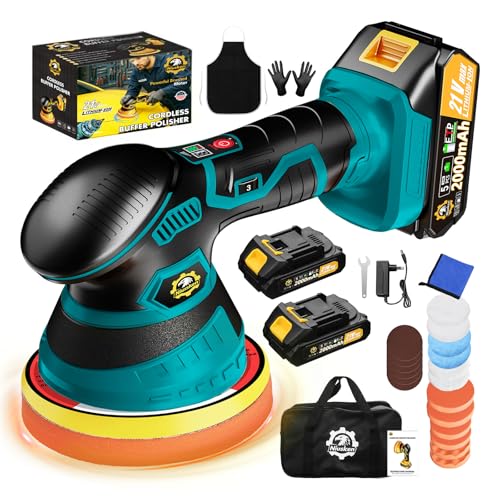
A machine polisher gives even pressure and speed, which makes correction work more predictable. If you are weighing that step, our best polisher for car comparison lays out the published specifications side by side so you can match a tool to your needs.
Pad choice matters as much as the polish. Firmer, more cutting pads pair with compounds, while soft finishing pads suit ceramic and Teflon products. Using an aggressive pad with a mild product wastes effort, and the reverse can leave marks.
A simple order of work
Follow the same sequence whichever product you pick. Doing the steps in order protects the paint and gives a better finish.
- Wash the car thoroughly and dry it with clean microfiber towels.
- Remove bonded dirt with a clay bar or similar product if the paint feels rough.
- Tape off rubber trim, plastic and sharp edges to avoid staining or burning them.
- Apply compound only if needed, working a small section at a time.
- Wipe off residue and inspect under good light.
- Apply your ceramic or Teflon protection in a thin, even layer, following the label's cure and buff times.
Safety notes
Wear safety glasses when machine polishing, since compound and polish can sling off the pad at speed. Wear a dust mask or respirator if you are sanding or working in a poorly ventilated space, and use gloves to keep products off your skin.
Machine polishers are loud at times, so use hearing protection if the noise bothers you. Keep the power cord clear of the pad and out of wet areas, and plug into a protected outlet. Never polish a hot panel or work in direct sun, because products dry too fast and can streak.
Work in a ventilated area and keep solvent-based products away from open flames and sparks. If you need to reach the roof of a tall vehicle, use a stable step stool and never stand on the vehicle itself.
Frequently asked questions
Can I use compound and ceramic polish together?
Yes, and that is the usual order. Compound first to correct the paint, then wipe the surface clean and apply the ceramic product to protect it.
How often should I use compound polish?
Only when you see defects that washing cannot remove. Because it removes a thin layer of clear coat, frequent use wears the paint down faster than needed.
Is Teflon polish the same as wax?
No. Wax is typically natural or synthetic wax-based, while Teflon polish uses a PTFE polymer. Both add gloss and protection, but they differ in feel and how they are applied, so follow each label.
Will polish fix deep scratches?
Not usually. Polish only levels shallow defects in the clear coat. A scratch deep enough to catch a fingernail often needs professional repair.
Do I need to clean the paint before ceramic polish?
Yes. Wash and dry the car, and remove any old oils or residue so the product can bond evenly and last as intended.