What Size Sump Pump Do You Need for Your Basement?
Most basements do well with a 1/3 HP pump, and a 1/2 HP pump makes sense when the water table is high or the discharge pipe has to lift water a long way. Horsepower is only a starting point, so check the flow a pump delivers at your discharge height and make sure the pit and the pump fit each other.
 Wayne CDU790Best overall
 Acquaer AUPBest electronic switch
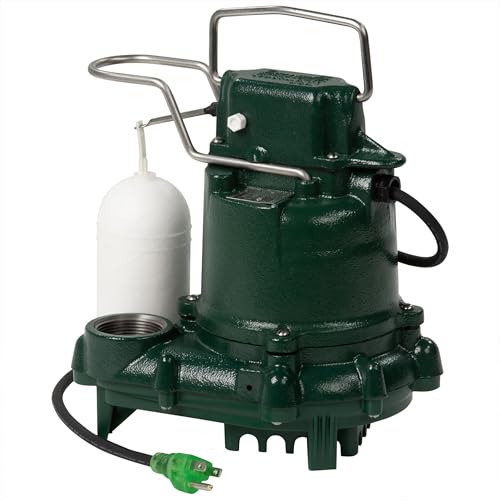 Zoeller 53-0001Best cast iron pump
The short version of sump pump sizing
Sump pump size comes down to three things: how much water flows into your pit, how high the pump has to push it, and how well the pump fits the pit. Horsepower is the number people quote, but it does not tell you how much water leaves the basement.
A 1/3 HP pump is the usual choice for a typical home. Step up to 1/2 HP if your pit fills fast during storms or if the water has a long, tall run to reach the outside. A pump that is too small runs nonstop and wears out sooner. A pump that is too big can short cycle, which means it turns on and off in quick bursts.
Step by step: how to size your pump
You do not need special equipment to get a decent estimate. A bucket, a tape measure and a watch will do most of it.
- Measure the vertical height from the bottom of the pit to the point where the discharge pipe exits your house. Add the horizontal run in your head as extra resistance, since long pipes slow flow.
- Watch the pit during or after heavy rain. Note how quickly the water rises from the pump's turn-on level to the top of the pit. A fast rise means you need more flow.
- Look up the pump's flow at your measured height, not just its maximum number. Published maximum flow is usually a best-case figure at little or no lift.
- Check the pit's width and depth against the pump's height and switch type.
- Decide whether you want a battery backup for power outages, since rain and outages often arrive together.
Horsepower: 1/3 HP or 1/2 HP?
Most residential pumps are 1/3 HP, and that covers many basements. The five 1/3 HP pumps on our best sump pump page list the same 0.33 HP, while the Zoeller M53 lists 0.3 HP. Even so, their flow numbers differ a lot, which shows why horsepower alone is a weak guide.
A 1/2 HP pump is worth considering if your basement sits low, your lot collects water, or you have had water reach the floor before. It moves more water against more height. It also draws more power and costs more to run, so do not pick it just in case.
A 1/4 HP pump is only suited to small amounts of groundwater and short, low discharge runs. If you are unsure, 1/3 HP is the safer middle ground.
| Situation | Typical starting point |
|---|---|
| Light seepage, short and low discharge run | 1/4 to 1/3 HP |
| Average basement with occasional heavy rain | 1/3 HP |
| High water table, fast-filling pit, tall or long discharge | 1/2 HP |
| Frequent outages in storm season | Primary pump plus battery backup |
Flow and lift matter more than the HP label
Gallons per hour (GPH) tells you how much water a pump can move. Divide by 60 for gallons per minute, which is easier to compare with how fast your pit fills. For example, the Wayne CDU790 lists up to 4,600 GPH, which is about 77 gallons per minute.
Lift, also called head, is how high the pump can push water. Flow drops as lift rises, so the maximum flow figure overstates what you get at the top of a tall pipe. If your discharge is 8 feet above the pit floor, you want a pump that still moves plenty of water at that height. Lifts on our page range from 19.25 ft to 25 ft, which is far more than most basements need, so the practical question is how much flow remains at your height.
Discharge pipe size also plays a role. Most of the sump pumps we compare use a 1.5 in discharge, while the utility-style models list 1 in or 1.25 in. A narrower pipe adds resistance and suits portable pumping more than a permanent basement setup.
Pit size and switch type
The pit, also called the basin, must hold the pump with room for the switch to move freely. A pump that sits cramped against the wall can jam its float and fail to turn on. Pumps with a vertical float or an electronic sensor suit narrow pits, while tethered floats need more space.
Pit depth matters too. A deeper or wider pit stores more water between cycles, so the pump runs less often. A very small pit makes even a good pump cycle constantly. If your pit is old, shallow or undersized, replacing the basin can do more for reliability than buying a bigger pump.
Also check pump height against the pit. The pumps on our page range from 7.3 in to 13.5 in tall, so measure before you buy. Debris handling is another fit factor: the Zoeller M53 lists 2 in solids handling, while the Liberty 237 lists 0.375 in and several utility pumps list 0.125 in or less.
Comparing sizes on real spec sheets
These examples come from published specifications. Notice that two pumps with the same horsepower can differ in flow, and some listings leave out numbers you may need.
Utility pumps are built to drain a flooded room or a pool cover and are not the same as a permanent pit pump. For a basement pit, look for an automatic switch, a durable housing and the ability to pass small debris.
| Pump | HP | Max flow (GPH) | Max lift (ft) | Height (in) |
|---|---|---|---|---|
| Wayne CDU790 | 0.33 | 4,600 | 20 | 11 |
| Zoeller M53 | 0.3 | 2,580 | 19.25 | 10.25 |
| Liberty Pumps 237 | 0.33 | Not listed | Not listed | 13.5 |
| D-HONOR 1600 GPH (utility) | 0.33 | 1,600 | 21 | 11.18 |
Safety and setup notes
Sump pumps combine water and electricity, so treat the setup with care. Plug the pump into a grounded outlet protected by a GFCI, and keep the plug and outlet above any water that could rise in the pit. Unplug the pump before you reach into the pit or clear debris.
Route the discharge pipe so water drains well away from your foundation, or it can cycle straight back to the pit. Install a check valve if your pump does not include one, so water does not fall back after each cycle. If you work in a dim or wet basement, wear closed shoes with grip and never stand in standing water near live equipment.
If you add a battery backup, follow the maker's ventilation and charging instructions. When in doubt about wiring, hire a licensed electrician or plumber.
Frequently asked questions
Can a sump pump be too big?
Yes. An oversized pump can empty a small pit in seconds and turn on and off too often, which wears the switch and motor. Matching pump flow to pit size avoids this.
How often should a sump pump run?
It varies with rainfall and your water table. Running now and then during storms is normal. Running nonstop in dry weather, or never moving during heavy rain, suggests a problem to check.
Do I need a battery backup?
It is worth considering if your area has storm-related power outages or if your basement has flooded before. Our best sump pump page includes a Wayne primary and battery backup combo rated at 5,100 GPH.
Can I use a utility pump as a permanent sump pump?
Usually not. Utility pumps are portable and often meant for short jobs like draining a flooded room, while a sump pump stays in the pit and switches on automatically.