What Size Folding Electric Bike Do You Need for Camping?
The right size is the one that fits your vehicle or camper storage when folded and still fits the rider comfortably when unfolded. Measure your storage space first, then choose a wheel size, frame and battery that suit the riders and the load you plan to carry. For most campers, a compact folder with a mid-size battery handles campground roads and gentle trails well.
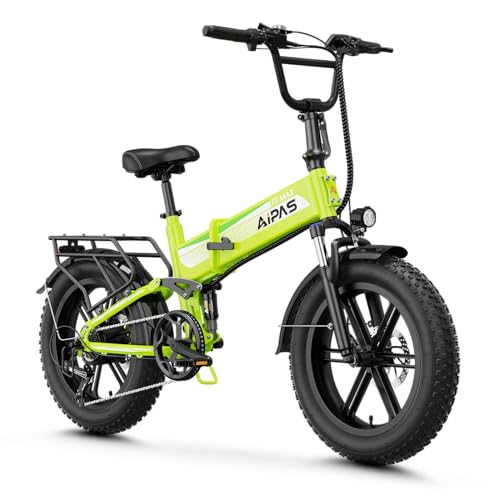 Aipas F3 MAXBest for hills and range
 DTTZH A12Best for keyless starting
 URLIFE F1LBest compact commuter
Three sizes matter, not one
When people ask about size for camping, they usually mean one of three things. The first is folded size, which decides whether the bike fits in your trunk, van, truck bed or camper storage bay. The second is rider fit, which covers how tall the rider is and how comfortable the bike feels. The third is capacity, which includes battery size, weight limit and how much gear you can carry.
Start with folded size, because it is the hard limit. A bike that rides perfectly but will not fit beside the cooler and tent is a bike you will leave at home. Once you know the space you have, you can narrow the choices quickly. If you want to see models side by side after reading this guide, our best folding electric bike for camping page compares published specifications for you.
Measure your storage space first
Folded dimensions are listed by each maker as length, width and height. Compare those numbers with the actual space you have, not the space you wish you had. Remember that handlebars, pedals, the seat post and the battery can stick out when the bike is folded.
- Measure the length, width and height of the spot where the bike will sit, including any curved walls or wheel wells.
- Subtract room for other gear that will be packed around it, such as chairs, a stove and bags.
- Check whether the bike must stand upright or can lie flat. Some folded bikes are awkward on their side because of the battery or controls.
- Look at the folded height if you use a hitch rack, roof box or truck bed with a cover.
- If you are carrying two bikes, add up the footprint of both and leave a little room between them so they do not rub.
Choosing wheel size and frame fit
Folding electric bikes mostly come with small wheels, and the wheel size changes how the bike packs and rides. Smaller wheels fold more compactly and are easy to move around a campsite. Larger wheels roll more smoothly over gravel, roots and uneven paths, but the folded bike takes up more room.
Fit is just as important as packed size. Check the minimum and maximum rider height the maker lists, and look at how far the seat post and handlebar stem can adjust. If two adults of different heights will share one bike, adjustable parts matter more than a perfect fit for one person. Always confirm the numbers on the product page, since they vary by model.
| Wheel size | Folded footprint | Ride on rough camp roads | Good for |
|---|---|---|---|
| Smaller wheels | Most compact | Busier and bumpier | Tight storage, paved campgrounds, short errands |
| Mid-size wheels | Moderate | Balanced | All-around camping, mixed pavement and gravel |
| Larger wheels | Bulkiest of the three | Smoother and steadier | Longer rides, rougher paths, taller riders |
Weight, lifting and carrying capacity
Folding e-bikes are heavier than regular folding bikes because of the motor and battery. That matters when you lift one into a trunk or onto a rack. Check the listed weight, and think honestly about who will do the lifting. If the bike is heavy, plan to remove the battery before loading, which most models allow.
Also check the maximum load rating. It usually includes the rider, any child seat and any luggage. If you plan to carry a small bag of groceries, a daypack and a water bottle, leave some margin below the limit rather than aiming right at it. A rear rack is useful for camping, so see whether the model you like has mounting points for one.
How big a battery do you need?
Camping rides are often short: to the lake, the camp store, the trailhead or the showers. For that kind of use, a mid-size battery is usually plenty, and a larger one mostly adds weight. If you plan longer exploring days, or you will be riding hills and carrying gear, a bigger battery gives you more breathing room.
Range figures in the specifications are measured under specific conditions. Hills, wind, cold weather, heavy loads and high assist levels all shorten the distance you actually get. Treat the listed range as a best case and plan with some margin.
Think about charging too. Many campsites have no outlet, so a battery that comfortably covers a full day of riding, or a plan to charge from a vehicle inverter or a portable power station, can save a lot of hassle. Check the charger's power requirements against what your power source can supply.
Camping with kids
If children will ride along, size becomes a question of who rides what. Most folding e-bikes are built for teens and adults, so younger children usually ride on their own pedal bikes or in a seat or trailer where the maker allows it. Check the manual for approved child seats, trailers and weight limits before you buy anything.
A folding e-bike can still help a family. A parent can tow gear or keep up on a hilly loop while kids ride on their own bikes. Keep speeds low around camp, since kids, pets and parked cars share the same roads. Pick a bike with a low step-through frame if a parent will be stopping and starting often, because it is easier to mount and dismount with a child nearby.
Safety notes before you ride
Wear a properly fitted helmet every time, and consider sunglasses or clear eye protection to keep dust, bugs and branches out of your eyes. Use lights and reflectors at dawn, dusk and in wooded areas.
Electric and battery safety matters at camp as well:
- Charge batteries only with the charger made for them, and never leave them charging unattended or inside a sleeping area.
- Keep batteries away from campfires, stoves and hot vehicle interiors.
- Do not charge a battery that is damaged, swollen or wet.
- Before folding or unfolding, check that the latches are fully locked. A loose hinge can fail while you ride.
- Follow the campground's rules on e-bikes, speed limits and trail access, since they differ from place to place.
- If you load the bike onto a rack or lift it into a vehicle, use good lifting form or ask for help, and secure it so it cannot shift in transit.
A quick way to decide
Work through the questions in order. Measure your storage space and write down the maximum folded dimensions. Next, list the riders and their heights. Then decide how far you ride on a typical camping day and what you will carry. Finally, compare models that meet all three limits.
That process usually leaves a short list. From there, our folding e-bike comparison for camping lets you check folded dimensions, weight and battery details next to each other, so you can pick the one that fits your vehicle and your trips.
Frequently asked questions
Can I fit a folding e-bike inside a small car?
Often yes, if the folded dimensions are smaller than your trunk or back seat area. Measure first, and plan to remove the battery to lighten the load.
Do I need a rack to carry gear on a folding e-bike?
Not always, but a rear rack makes carrying a bag or small cooler much easier. Check that the model has mounting points and a rack weight limit that suits your load.
Is a folding e-bike okay on gravel campground roads?
Many are fine for light gravel at a slow pace. Larger wheels and wider tires feel steadier, while very small wheels can feel jittery on loose surfaces.
Should I buy one bike or two for a couple?
Two bikes let you ride at your own pace and fit your own heights. One bike saves space, but only works if both riders fit the frame and the combined weight stays within the limit.
How do I store the battery during a camping trip?
Keep it dry, out of direct sun and away from heat sources. Bring it inside a cool, ventilated space at night rather than leaving it in a hot vehicle.