What Size Ear Plugs Do I Need? A Simple Fitting Guide
Most adults do well with a medium or standard size, but ear canals vary, so the right size is the one that seals comfortably without pain. Try the smallest size that gives a firm seal, check that outside noise drops clearly, and move up or down if the plug slips or aches. If you can't get a reliable fit, earmuffs are a simpler option because their sizing is mostly adjustable.
 Walker's GWP-RSEMBest overall
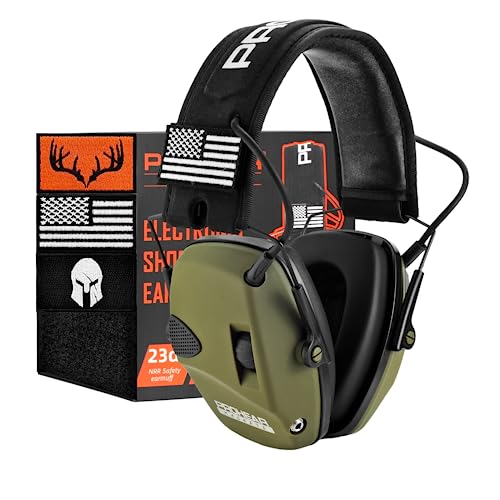 PROHEAR PROHEAR 066Light electronic, long battery
 Pro For Sho PAS-GYHigh NRR, low weight
Why ear plug size matters
An ear plug only protects you if it seals the ear canal. A plug that is too small leaves gaps, so sound leaks past it. A plug that is too large can hurt, push out on its own, or never seat deeply enough to seal.
Ear canals differ in width, length and shape. Your left and right ears can also differ, so it is normal to need different sizes in each ear. Sizing is less about the outside of your ear and more about what happens inside the canal.
How sizing usually works
Brands label sizes in different ways. Many use small, medium and large. Some offer extra small or extra large, and some sell sample packs so you can compare before committing to a full set.
Foam plugs are often one size, because they are squeezed down and expand to fill the canal. Silicone and flanged (tree-shaped) plugs are usually sold in sizes, and some sets include several sizes in one box. Custom molded plugs are made from an impression of your ear, so they skip the guesswork.
- Foam: roll, insert, hold until it expands. Often one size, with some brands offering small or large versions.
- Flanged silicone: reusable and washable, usually sold in several sizes.
- Pre-molded plugs: firmer shape, sized by tip or flange.
- Custom molded: made from an impression taken by a hearing professional.
How to find your size step by step
Check the maker's sizing chart first, since each brand sizes a little differently. If you have no other information, start with the middle size and adjust.
Wash your hands, then follow the steps below. Take your time. A good fit should feel secure but not painful.
- Gently pull the top of your ear up and back with the opposite hand. This straightens the canal so the plug can go in.
- Insert the plug with a slight twist until it feels snug. For foam, roll it thin first and hold it in place for about 30 seconds while it expands.
- Check the seal. Cup your hands over your ears and then drop them. If the sound barely changes, the plug is sealing well. If your own voice sounds hollow or boomy, that is a common sign of a good seal.
- Wear it for a few minutes while you talk and move your jaw. It should stay put.
- Try the other ear separately. If one side feels loose or tight, change the size on that side only.
Signs the size is wrong
Your ears give clear feedback. Use the table below to read the signals and decide whether to go up or down a size.
If you feel sharp pain, dizziness or pressure that does not fade after you remove the plug, stop using it and talk to a hearing professional.
| What you notice | Likely cause | What to try |
|---|---|---|
| Plug falls out or works loose | Too small, or not inserted deeply enough | Go up a size and check your insertion |
| Noise still sounds loud | Gap in the seal | Reseat the plug, or try a larger size |
| Ear aches after a short time | Too large, or pushed in too far | Go down a size and insert more gently |
| Plug sits only in the outer ear | Too large for your canal | Try a smaller size |
| Different feel in each ear | Ears are not identical | Use a different size in each ear |
Safety notes before you buy
Never push a plug in until it hurts, and never use cotton swabs or tools to help it along. A plug that sits too deep can press on the ear canal or push wax inward. If a plug gets stuck, do not dig for it. See a medical professional.
Keep reusable plugs clean, and replace foam plugs when they stop springing back or look dirty. Avoid using plugs if you have ear pain, drainage or an active ear infection. If you have a medical ear condition, check with your doctor first.
When earmuffs are an easier fit
If you can't get a reliable seal with plugs, or you only need protection for short jobs, earmuffs take much of the sizing question out. They sit over the outside of the ear, and the headband and cups adjust to your head.
Some muffs do come in sizes, so check the listing. The Pro For Sho PAS-GY lists an adjustable fit for kids through adults, with a Standard size and a Large size for bigger heads. It lists a 34 dB NRR at 7.2 oz. The Decibel Defense muff lists an adult fit in Regular and XL, with Regular suiting most adults and teens ages 10 and up, and a 37 dB NRR at 12 oz. Our best ear protection page puts these side by side with electronic models and other options.
Fit matters here too. A muff that does not seal around your ears will not give its rated protection, and glasses arms or thick hair can break the seal. The maker of the Pro For Sho muff also suggests, for extreme noise, wearing earplugs under the earmuffs. If you plan to combine the two, a well fitted plug matters even more.
Choosing between plugs and muffs
Plugs are small, light and easy to carry. They suit long sessions in warm weather, or situations where muffs get in the way, such as under a helmet. Their downside is that fit depends on your ear canal and on inserting them correctly every time.
Muffs are quicker to put on and easier to see, so it is simple to check that someone is wearing them. They are bulkier and can feel warm. For a closer look at ratings, weight and features, see our ear protection comparison. Use the NRR to compare protection levels, and remember that a good seal matters as much as the number.
Frequently asked questions
Can I wear a different size in each ear?
Yes. Many people have ear canals that differ slightly, so using one size in the left ear and another in the right is common.
Do children need different ear plugs?
Usually, yes. Children have smaller ear canals, so look for plugs made for kids. Some earmuffs list an adjustable fit from kids through adults, which can be simpler.
Can I wear ear plugs and earmuffs together?
Yes, for very loud noise. One maker lists earplugs under earmuffs for extreme noise. Make sure both fit well and that you can still hear warnings you need to hear.
How do I know the plug is deep enough?
It should feel secure and block noticeably more sound, with the end sitting just inside the canal. If it only rests at the opening, it is probably too large or not inserted correctly.
Should I see a professional about sizing?
Consider it if standard sizes always hurt or fall out, if you have a medical ear condition, or if you want a custom molded option.