What Not to Put in a Wood Chipper and Why
Keep metal, stones, glass, plastic, treated or painted wood, rope, cloth and anything oversized out of a wood chipper. Also avoid wet, stringy, frozen or very soft material such as green leaves, grass, vines and cardboard, because it clogs the chute and dulls or damages the blades. When in doubt, feed only clean, cut branches that are within your machine's rated diameter.
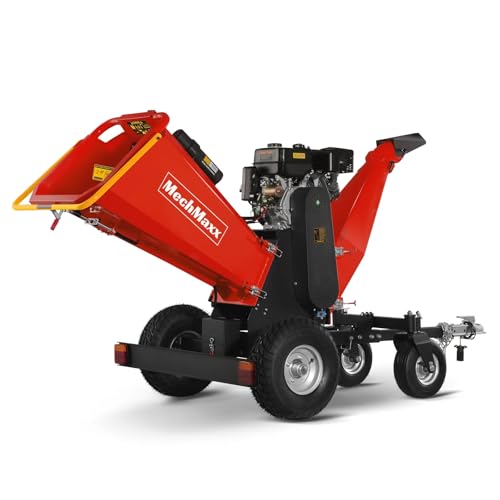 MechMaxx B150Best overall
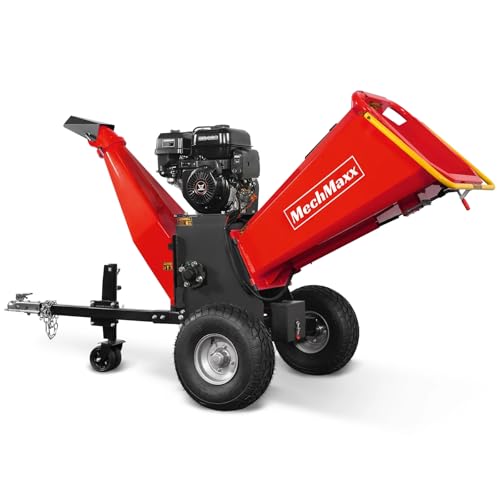 MechMaxx P4206Published 20:1 ratio at 6 in
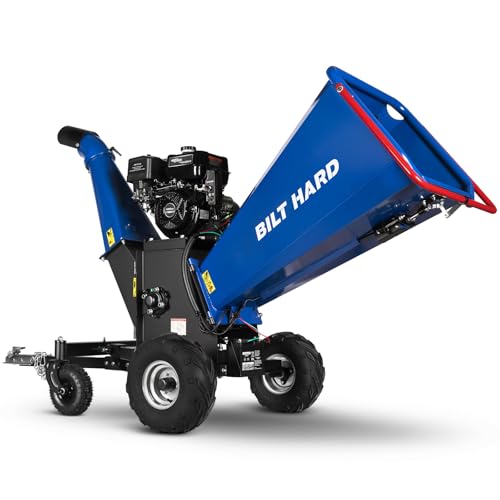 BILT HARD TL-TRA-0423-N2-0709Towable with 2-in hitch
The short list of things to keep out
A wood chipper is built for one job: turning clean branches and twigs into chips. Anything else risks a jam, a damaged blade or a thrown fragment. Here is what to leave out.
Some items are a hard no for every machine. Others depend on your model, so check the owner's manual for its own list.
- Metal of any kind, including nails, screws, bolts, wire and fence staples
- Stones, dirt-caked roots and gravel
- Glass, plastic, rubber and hoses
- Pressure-treated, painted, stained or glued wood, including plywood and particleboard
- Rope, twine, cloth, netting and garden string
- Branches thicker than the rated diameter
- Frozen branches, old roots, bamboo and dry hay or straw (one electric model's listing names these specifically)
- Wet, soggy or stringy green waste such as grass clippings and vines
- Cardboard and paper, unless your manual says they are allowed
Why these materials cause trouble
Metal and stone are the most serious. Chipper blades are hardened steel, and a hidden nail or rock can chip or bend an edge in an instant. It can also send fragments flying out of the chute or hopper. Even a small staple in a fence post can do this, so check reclaimed wood before you feed it.
Treated and painted wood is a different problem. The wood itself may chip fine, but the chips carry coatings and preservatives that you probably do not want in garden beds or compost. Glued boards also gum up the blades and chute.
Stringy and soft material fails in another way. Rope, vines, cloth and long fibers wrap around the rotor or drum and bind it. Wet leaves and grass pack into a paste that sticks inside the chute and keeps the discharge from clearing. That is why many makers point you to a shredder or mulching mower for soft green waste.
Quick reference: common materials
Use this table as a starting point. Your manual always wins if it says something different.
| Material | Chip it? | Why |
|---|---|---|
| Clean, cut branches within the rated size | Yes | This is what the machine is designed for |
| Dry, hard dead branches | With care | Tougher on blades and motor, so keep to thinner pieces |
| Green, freshly cut twigs | Yes | Usually feeds well, but may be stringy at the ends |
| Wet or soggy leaves | No | Pack into a paste and clog the chute |
| Dry leaves | Check manual | Some models list them as fine, others say to avoid them |
| Cardboard and paper | Not advised | Fibers wrap and clog, and ink or tape adds contamination |
| Treated or painted wood | No | Coatings and glue contaminate chips and dull blades |
| Metal, stones, glass, plastic | Never | Can wreck blades and be thrown out at high speed |
| Frozen branches, bamboo, old roots | No | Listed as likely to clog or damage blades on one electric model |
Dead branches, leaves, paper and cardboard
Dead branches are fine in principle, but dry hardwood is harder to cut than fresh green wood. One gas model's listing says its performance figures were measured on relatively soft branches. For dry hardwood, it says the pieces it can handle will be no larger than 80% of the advertised size. So treat the rated diameter as a ceiling, and feed thinner dead limbs. Rotten wood is a separate issue. It crumbles, but it often hides dirt and stones.
Leaves are model-specific. The listing for the Yeryork electric model says to keep leaves out, along with bamboo, old roots, dry hay or straw and frozen branches. A large gas model such as the MechMaxx B150 lists leaves among the yard waste it is meant for. Read your own manual, and never feed wet leaves.
Paper and cardboard are not what a wood chipper is for. The blades are set up for wood, so thin sheets tend to wrap and clog instead of cutting cleanly. Shred them with a paper shredder, or tear them up by hand for compost.
Match the machine to the wood
Many jams come from asking too much of the machine. The range in our data is wide. The electric Yeryork model lists a 1.8 in maximum with a 15A motor at 4000 RPM and a 21:1 reduction ratio. The gas MechMaxx models list a 420cc engine and a 6 in maximum.
If you cut mostly thin prunings, a small electric unit is a sensible fit. If you clear thicker limbs, a larger gas model gives you more room. Leave margin for dry or hard wood, since ratings may be based on softer branches. Our best wood chipper page lists branch capacity, power and safety features side by side so you can match the rating to what you actually cut.
Dual-chute designs can help, too. The Yeryork lists separate openings for small and larger branches to reduce jams and kickback.
Safety before you feed anything
A chipper can injure you quickly, so set up before you start. Wear safety glasses or a face shield, hearing protection, gloves that fit snugly and sturdy boots. Skip loose sleeves, scarves and dangling cords, which can be pulled into the chute.
Never reach into the hopper or chute while the machine is running, and keep your hands out even when it is idling. Feed branches butt end first and let go once the machine takes them. Stand to the side, not in line with the feed opening.
Gas models need extra care. Refuel only with the engine off and cool, and run the machine outdoors with good airflow. Look for built-in protection too. Several models in our data list a safety shutoff or interlock that stops the machine when a chute opens, and some add an emergency stop. These help, but they do not replace careful habits.
What to do if it jams
Do not try to clear a jam while the machine is powered. Follow these steps in order.
1. Turn the machine off and wait until the rotor stops completely.
2. Unplug an electric model, or disconnect the spark plug wire on a gas model.
3. Open the chute only as the manual describes, and wear gloves because blades stay sharp.
4. Remove the stuck material with a stick or tool, not your hands.
5. Inspect the blades for nicks or damage before you restart.
If you suspect metal or stone went in, stop and check the blades. Running a damaged blade can make vibration worse and cause further harm.
Frequently asked questions
Can I put frozen branches in a wood chipper?
It is best not to. Frozen wood is harder and more brittle than normal, which can strain the blades. One electric model's listing says to keep frozen branches out. Let them thaw first.
Are the chips from treated wood safe for the garden?
It is better to avoid them. Treated and painted wood carries coatings and preservatives you probably do not want in garden beds or compost. Use chips from clean, untreated wood.
How do I check a branch before chipping it?
Look and feel along the whole length for nails, wire, screws or embedded stones. Knock off dirt, trim side shoots flush, and make sure the diameter is under your rated limit with some margin.
Why does my chipper keep clogging on green material?
Wet, leafy or stringy material sticks inside the chute and packs around the rotor. Feed leafy branches mixed with a few drier, woody ones, and clear the chute whenever output slows.