What Is the Healthiest Light Bulb for Your Eyes?
For most homes, the easiest bulb on your eyes is a flicker-free LED with a warm color temperature of 2700K to 3000K and a listed CRI of 80 or higher. Use cooler 5000K light only where you need crisp task lighting, and skip outdoor-only sensor bulbs indoors. No single bulb is proven to protect eyesight, so the goal is comfort: steady, glare-free light that matches the room and the time of day.
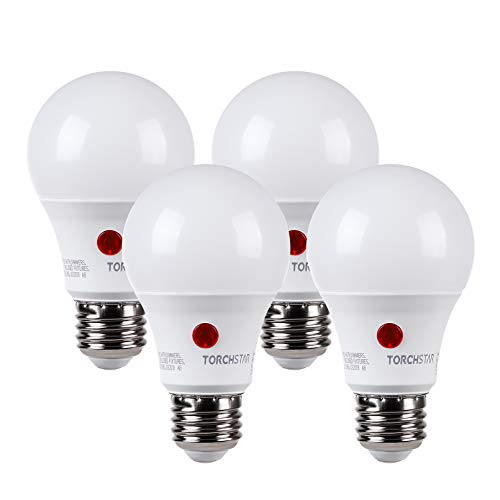 TORCHSTAR A-50408Top-ranked outdoor sensor bulb
 TJOY QASN83+85Best fit for eye comfort
 SETEN LED BULB 10WBrightest A19 in top ten
What "healthy for your eyes" really means
Light bulbs do not heal or damage eyes on their own in normal home use. What a bulb can do is make seeing easier or harder. Harsh glare, light that flickers faster than you can notice, and very cool light late at night can leave eyes tired and make it harder to wind down before bed.
So when people ask for the healthiest bulb, the practical question is which bulb is most comfortable for the job. A reading lamp, a bedroom and a garage all need different light. The specs below help you match the bulb to the space.
If you have eye pain, frequent headaches, or sudden changes in vision, a bulb swap is not the answer. See an eye care professional.
The four specs that matter most
You can judge a bulb from its package or online listing. These are the numbers and claims worth checking, in the same order we use on our best light bulbs for health comparison.
- Flicker: Look for flicker-free or zero flicker wording. Few makers publish a flicker rating, so you often have to read the listing closely. Non-dimmable bulbs on a plain switch also avoid dimmer mismatch, a common source of flicker.
- Color temperature: Measured in kelvin (K). Lower numbers look warmer and carry less blue. 2700K to 3000K suits evenings, while 5000K is a cool daylight tone.
- CRI: Short for color rendering index. Higher means colors look more true. On our health page, only 9 of the 34 bulbs list a CRI, and those range from 80 to 85.
- Brightness in lumens: Lumens measure light output, and watts only measure power use. Pick lumens for the room, then avoid exposed bulbs that sit right in your line of sight.
Warm or cool: choosing color temperature by room
Blue-rich light is more alerting, which is useful at a workbench and less welcome at 10 p.m. That is why warmer bulbs make sense for bedrooms and living rooms, and cooler bulbs make sense where you want things to look sharp.
The table gives a simple starting point. Treat it as a guide, not a rule, since personal taste matters too.
| Room or use | Suggested color temperature | Why |
|---|---|---|
| Bedroom | 2700K to 3000K | Less blue light before sleep |
| Living room | 2700K to 3000K | Relaxed, natural look |
| Home office or desk | 3000K, or a bit cooler if you prefer | Comfortable for long sessions, good color accuracy if CRI is listed |
| Kitchen or bathroom | 3000K | Clear light without a harsh feel |
| Garage or workshop | 5000K | Crisp light for detailed tasks |
How real bulbs from our lineup compare
Our health page compares published specifications, so here is how three bulbs from it line up on the numbers that matter for eye comfort. The TJOY A19 8-pack is the best fit for comfort in the list: 3000K, 85 CRI, 800 lumens from 9 watts, and a flicker-free claim in the listing.
The other two are dusk to dawn sensor bulbs. They rank well overall, but they are built for porches and driveways, not for reading or relaxing indoors.
| Bulb | Color temperature | CRI listed | Brightness | Dimmable | Intended use |
|---|---|---|---|---|---|
| TJOY A19 3000K 8-Pack | 3000K | 85 | 800 lm | No | Indoor rooms and lamps |
| TORCHSTAR A19 Dusk to Dawn 4-Pack | 5000K | Not listed | 800 lm | Not listed | Outdoor use only |
| Sunco PAR38 Dusk to Dawn 2-Pack | 5000K | Not listed | 1250 lm | No | Outdoor flood fixtures |
Bulbs to be careful with indoors
Dusk to dawn bulbs turn on by themselves when it gets dark. That is handy outside, but the TORCHSTAR listing says it is for outdoor use only, and its sensor must not be covered. Using a sensor bulb in a bedroom lamp can also mean it switches on when you do not want it to.
Very bright floodlights are another poor fit for living spaces. The Sunco PAR38 puts out 1250 lumens in a focused 40-degree beam, which is great for a driveway and far too intense for a desk lamp.
Some people prefer incandescent or halogen bulbs for their warm, steady glow and high color accuracy. They also use more power and give off more heat, so a good warm LED is usually the more practical choice. If you want the crisp 5000K look in a garage, our best light bulb for garage door opener page covers bulbs suited to that spot.
Simple habits that help as much as the bulb
Where and how you use light matters nearly as much as the bulb itself. A great bulb in a bare fixture can still cause glare.
Follow these steps for a more comfortable setup, then browse the full health bulb comparison to pick specific models.
- Put task light beside or slightly behind your work, not in your direct view.
- Use a shade or diffuser so you never look straight at the bare bulb.
- Dim or switch to warmer lamps in the last hour or two before bed, using a dimmer only with bulbs that are labeled dimmable.
- Take screen breaks and look at something far away every so often.
- Match the bulb base and shape to the lamp. A standard A19 with an E26 base fits most household fixtures.
Safety notes before you swap bulbs
Turn the power off at the switch and let the old bulb cool before you touch it. Check the maximum wattage printed on the fixture, and never use a bulb rated for outdoor use only inside a closed indoor fixture.
If you need a ladder, set it on level ground and have someone hold it. Do not stare into bright bulbs, especially floodlights. Wear eye protection if a bulb is likely to break while you remove it, and sweep up glass carefully.
Frequently asked questions
Is LED or incandescent better for your eyes?
Neither is automatically better. A well-made LED with warm color, a listed CRI and no visible flicker can be just as comfortable, and it runs cooler and uses less power.
How long do eye-friendly bulbs last?
Lifespan varies by model. The TJOY 3000K bulb in our lineup is rated for 15,000 hours, and always check the listing for the rated life of any bulb you consider.
Does a higher lumen number mean a healthier bulb?
No. Lumens only describe brightness. A bulb that is too bright for the room can cause glare, so choose the output that fits the space.
Can a dimmer cause flicker with LED bulbs?
Yes, when the bulb and dimmer do not match. Use bulbs labeled dimmable with a compatible dimmer, or choose non-dimmable bulbs on a standard switch.