What Is the Easiest Way to Strip Paint Off Wood?
The easiest way to strip paint off wood is to brush on a gel paint stripper, let it soften the coating, and lift it off with a plastic scraper. This is gentler on the grain than sanding or digging at dry paint, and it needs only a few basic supplies. Work in a ventilated space, wear gloves and eye protection, and test a hidden spot first.
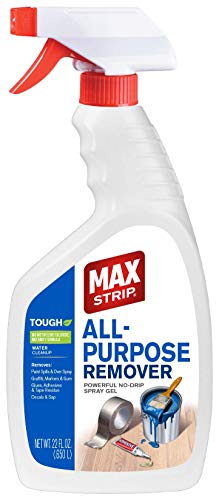 Max Strip ESA-522Drips, not refinishing
 Max Strip ESA-579Shellac and varnish removal
 Dumond 3332x2Largest container in the lineup
Why a gel stripper is the easiest route
A gel stripper clings to the surface, so it works on vertical pieces like doors and chair legs without running off. It softens the paint so you can push it away with a scraper instead of fighting it. That means less force on the wood and less chance of gouging the grain.
Other methods work too. Sanding is slow and clogs quickly on thick paint. A heat gun can scorch the wood and is a poor choice on old paint that may contain lead. For most people, a chemical gel is the least effort for the best result, especially on carved or curved pieces.
Many current strippers skip methylene chloride and NMP, which makes them more pleasant to use. If you want to compare options, our best paint stripper for wood page puts several products on one spec sheet.
What you need to strip paint from wood
The supply list is short. Most of it is cheap, and you may already own some of it.
- Paint stripper formulated for wood and the coating on your piece
- A natural-bristle or cheap disposable brush for applying the gel
- A plastic scraper, which is kinder to wood than metal
- Chemical-resistant gloves and safety glasses or goggles
- Drop cloths or plastic sheeting to protect floors
- A metal can or container for the scraped sludge
- Rags or fine steel wool for the last traces of paint
- Sandpaper for light smoothing once the wood is dry
- A respirator if you will sand, and fresh air or open windows throughout
Step by step: stripping paint without gouging
Take your time with the waiting step. Most damage to wood happens when people scrape before the paint has softened.
- Move the piece to a well-ventilated spot, or open windows and run a fan that blows air outside. Lay down drop cloths.
- Remove hardware and clean off dust and grease so the stripper contacts the paint.
- Test a small, hidden area first. Check how the finish reacts and how long it takes to soften.
- Shake the product if the label says to, then brush on a thick, even coat in one direction. Do not keep brushing it back and forth.
- Wait. Some labels say to check every 15 minutes, and one product on our page lists 30 minutes to begin working. Your test patch tells you the real timing.
- Scrape gently with the grain using a plastic scraper. If paint is still stuck, reapply and wait again instead of pressing harder.
- Use a rag or steel wool in a carved area or a tight corner where the scraper will not reach.
- Clean the surface as the label directs, let the wood dry fully, then sand lightly before you stain or paint.
Choosing a stripper that fits your project
Check which coatings the product names, how long it needs, and how much you get in the container. Our page notes that none of the makers publish coverage per container, so buy for the size of your project. A single chair needs far less than a door or a long run of trim.
The table below summarizes published specifications for products on our comparison page. These are maker-listed numbers, not our own measurements.
| Product | Container (fl oz) | Layers per coat | Coatings named | Timing note |
|---|---|---|---|---|
| Max Strip Citrus Paint Stripper Gel | 32 | Not listed | Latex, oil paint, stain, polyurethane, shellac, varnish | Check every 15 minutes |
| Dumond Smart Strip Advanced (64 fl oz pack) | 64 | Up to 15 | Acrylic, latex, oil, water-based coatings, varnishes, stains | Test patch sets dwell time |
| Dumond Smart Strip Advanced (32 fl oz) | 32 | Up to 15 | Acrylic, latex, oil paints, stains, varnishes | Test patch sets dwell time |
| Sunnyside Multi-Strip Advanced | 32 | Up to 15 | Paint, varnish, stain, lacquer, urethane | Begins working in 30 minutes |
| Smart Strip PRO | 14 | Up to 20 | Acrylic, latex, oil paints, epoxy, urethane, elastomerics | Test patch sets dwell time |
Match the product to your piece
If you are removing shellac, varnish or polyurethane from furniture, the Max Strip citrus gel names all three and lists a low, citrus odor. For lacquer, the Sunnyside product names it directly. If your finish is not named by the maker, a test patch matters even more.
Dumond's water-based formula has to stay wet to work, and its listing suggests covering the area with laminated paper to keep it from drying out. That is worth planning for on a large flat surface like a door. Its 64 fl oz pack is the largest container on our page, and the 32 fl oz size uses the same formula for single-piece projects.
Be careful with spot removers. The Max Strip 22 oz spray gel is made for spills, overspray and adhesives, and its maker says it is not for furniture refinishing. Smart Strip PRO is the 14 fl oz can with the highest layer count on our page, at up to 20 layers, but it is also the smallest container, so it suits small jobs.
Safety before you start
Even strippers without harsh solvents are chemicals. Treat them with care.
Wear gloves and eye protection every time, because a splash in the eye can cause serious injury. Ventilate the room, even when the label lists the product as safe for indoor use or low odor. Keep kids and pets out of the area while the stripper is on the wood.
If your home was built before 1978, the paint may contain lead. Avoid dry sanding and heat guns on old paint, and check with a local lead-safe program or use a lead test kit before you start. If you do sand, wear a respirator rated for dust and use a vacuum with a fine filter rather than sweeping.
Dispose of scraped sludge and soaked rags as the product label directs. Rags can be a fire hazard if bundled while damp with some products, so spread them out to dry outdoors first.
Mistakes that make the job harder
Most frustration comes from a few avoidable habits. Scraping too early is the biggest one, since the paint has not softened and you end up pushing against the wood. Applying a thin coat is the next, because the stripper dries out before it works.
Using a metal scraper on soft wood is another. A plastic one is slower to dig in. Finally, rushing the cleanup leaves residue that blocks stain or new paint from bonding. Take your time, and the wood will be ready for a new finish.
Frequently asked questions
Can I strip paint from wood without chemicals?
Yes, with sanding or a heat gun, but both have drawbacks. Sanding is slow and makes dust. Heat can scorch wood and should be avoided on old paint that may contain lead.
How do I know if my paint is oil-based or latex?
Rub a hidden spot with a rag and a little rubbing alcohol. Latex often softens or comes off on the rag, while oil-based paint usually does not. A test patch of stripper also shows how the finish reacts.
Should I use a metal or plastic scraper?
Plastic is the safer start on wood because it is less likely to gouge. Use metal only on flat areas of sturdy wood, and keep the edge flat and gentle.
Do I need to sand after stripping?
Usually yes, lightly. Once the wood is clean and dry, a light sanding removes raised grain and any leftover residue so stain or new paint can bond.