What Is the Correct Way to Install Gate Hinges?
Attach the hinges to the gate first, then prop the gate level against the post with spacers and fasten the other leaf of each hinge to the post. Use pilot holes and screws or bolts sized for the gate's weight, and make sure the two hinges line up exactly so the gate swings freely. Check that the gate is level and plumb before you drive the final fasteners.
 HTHOOOOOME N-Gate Latch-1Best overall
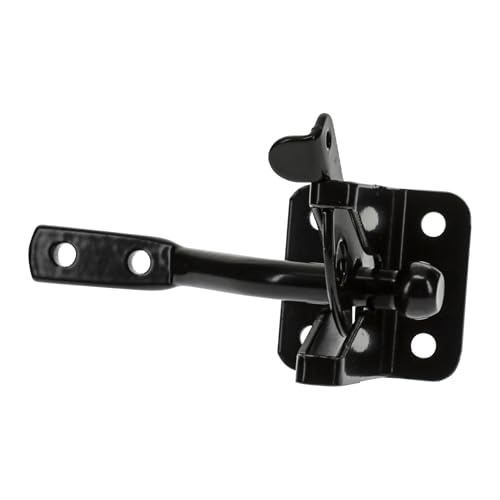 National Hardware N184-861Outswing farm gates
 SANKINS Powder-coated, screws listed
Start with the right hinges and a solid post
Good hinge work starts with two things you can check before you touch a drill: the hinge matches the gate, and the post can carry it. A heavy wooden gate on a loose or rotted post will sag no matter how well the hinges are installed. Push on the post. If it moves or the wood feels soft, fix the post first.
Pick hinges by gate weight and width. Wider, heavier gates put more pull on the top hinge, so they need longer leaves and larger fasteners. If you are still choosing, our best gate hinges comparison lists options side by side, and the best gate hinges heavy duty page covers sturdier options for large wooden gates.
- Two or three hinges, with fasteners that suit your gate material
- A drill with bits for pilot holes
- A tape measure and a pencil
- A level, ideally 24 inches or longer
- Wood blocks, shims or offcuts to prop the gate
- A helper if the gate is large
- Safety glasses and work gloves
Choose a hinge style that fits your gate
Hinge style affects how you mount it, so decide this before marking anything. The table below covers the common types in general terms. Always follow the instructions that come with your hardware, since each design has its own fastener and spacing needs.
| Hinge type | Typical use | How it mounts |
|---|---|---|
| Strap hinge | Wooden board gates and planked gates | Long strap on the gate face, pin or bracket on the post |
| T-hinge | Lighter wooden gates | Short leaf on the post, long strap across the gate |
| Bolt-through hinge | Heavier wooden gates and thick posts | Bolts pass through the post or gate and are secured with nuts |
| Adjustable or anti-sag kit | Gates that need fine tuning or extra support | Brackets plus hinge hardware, often with a tension rod or adjuster |
Set up the gate before you drill
Place the gate in its opening and look at the gaps. You want an even gap on the latch side and a small gap at the hinge side so the gate does not rub as it swings. Wood also swells and shrinks with weather, so leave a little breathing room rather than a tight fit.
Prop the gate on blocks or wedges so the bottom sits at the height you want, usually clear of the ground and any path or step. Check that it is level across the top rail. Ask a helper to hold it steady, because a gate that slips mid-job can pinch fingers or damage the hinges.
Decide which way the gate swings, since the hinge side and the latch side depend on it. This also matters later when you choose a latch. Our best gate hardware page notes that swing direction is the first spec to confirm for latches.
Install the hinges step by step
Work in this order. Mounting hinges to the gate first keeps the hinge leaves aligned and gives you a clear reference when you move to the post.
- Mark the hinge positions on the gate frame. A common approach is to place the top and bottom hinges a few inches in from each end, so they sit over solid rail or frame wood rather than thin boards.
- Hold each hinge in place, with the pin or knuckle lined up so the gate will pivot on one shared vertical line. Mark the screw holes with a pencil.
- Drill pilot holes slightly narrower than the screw shank. This lowers the risk of splitting the wood, especially near board edges.
- Fasten the hinge leaves to the gate. Start with one screw per leaf, check alignment, then add the rest.
- Position the gate in the opening on its blocks. Hold the hinge leaves against the post and check that the gate is level and the gap is even.
- Mark the post holes, drill pilot holes and attach the post-side leaves. Again, begin with one screw each, then check the swing.
- Remove the blocks, open and close the gate a few times, and watch for rubbing or drifting. Add the remaining fasteners only when the gate moves freely.
Check alignment and fix sag early
The most common hinge problem is misalignment. If the top and bottom hinge pins are not in a straight vertical line, the gate binds or swings open by itself. Hold a level against the pins, or drop a plumb line past them, and adjust before the last screws go in.
Sag usually shows up as the latch side dropping lower than the hinge side. Longer fasteners that reach solid wood help, and so does a stiffer frame. Some kits are built for this problem. For example, the WEKIS anti-sag kit on our hardware page includes 4 hinge brackets, and the HILLMASTER kit includes 2 hinges and a latch together. Check any kit's contents list so you know what you are getting.
If a hinge screw spins without biting, the hole is stripped. Use a longer screw, fill the hole with a wood plug or glued dowel, or move to a larger fastener if the hinge allows it.
Add the latch and finish up
Once the gate swings correctly, fit the latch. Some latches are self-latching and mount left or right, while others work for outswing gates only. For example, the National Hardware N184-861 is listed for outswing only, while the HTHOOOOOME Gravity Self-Locking Gate Latch lists inward and outward swing with left or right mounting. If you need to replace both hinges and latch, check whether the listing includes screws, because some metal gates need harder screws than the ones supplied.
Finally, look at the finish. Outdoor hardware rusts where the coating wears, so choose a stated weather finish and touch up any scratches you make during installation.
Safety notes
Wear safety glasses when drilling or driving screws, and use hearing protection if you run power tools for a long time. Large gates can be heavy, so get help lifting them and keep your hands clear of the hinge side while the gate is moving. If the gate is near power lines, an outdoor outlet or buried utilities, check where cables and pipes run before you dig or drill. Work from the ground or a stable stepladder, and do not lean a ladder against an unsecured gate.
Frequently asked questions
How many hinges does a gate need?
Most small to medium wooden gates use two hinges, one near the top and one near the bottom. A tall, wide or heavy gate may need a third hinge in the middle for support.
Should hinges go on the gate or the post first?
Attach them to the gate first. Then hold the gate in place on blocks and mark the post, which keeps the hinge pins aligned.
Why does my gate drag on the ground after installation?
The gate may be hung too low, the post may be leaning, or the hinges may be loose. Re-check level and plumb, tighten the fasteners and raise the gate if you have room to adjust.
Can I install a gate hinge on a metal post?
Yes, but you usually need bolts, welded brackets or weld-on hinges designed for metal. Wood screws will not hold in steel, so follow the hinge maker's instructions.