What Is the 4-2-1 Concrete Mix Ratio for Mixers?
The 4-2-1 ratio means 4 parts gravel, 2 parts sand and 1 part cement, measured by volume. It is the same mix some people write as 1:2:4 (cement, sand, gravel), and it suits many general jobs such as slabs, footings and fence post holes. In a mixer, measure each part with the same bucket, load the drum in the right order, and add water slowly until the mix is workable.
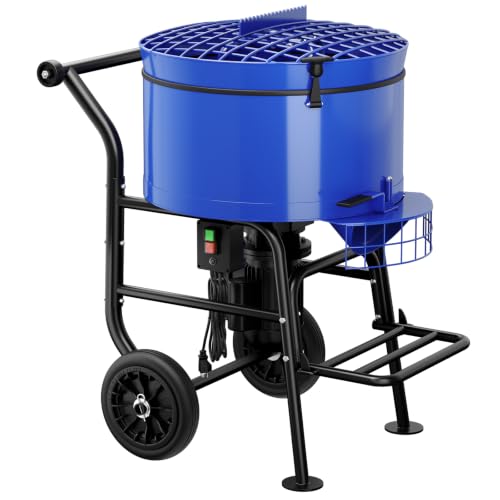 Dkenicor KF100368US-01LHC-001-YIH
 Dkenicor KF100248-02-YH-OBest compact steel drum
 Dkenicor KF100322US-02MLHC-001Best overall
What 4-2-1 actually means
The 4-2-1 rule is a recipe for site-mixed concrete. You use four parts coarse aggregate (gravel or crushed stone), two parts sand and one part Portland cement. The "part" can be any container, as long as you use the same one for all three ingredients. A bucket, a shovel scoop or a small tub all work.
Some sources write the same recipe backward as 1:2:4. That order lists cement first, then sand, then gravel. The numbers describe the identical mix, so do not worry if you see it written both ways.
The idea behind it is simple. Cement paste is the glue, sand fills the small gaps and gravel provides the bulk. With seven parts of dry material in total, only one part is cement, so the mix stays practical for everyday projects.
4-2-1 versus the 1-2-3 mix
The 1-2-3 rule is a richer cousin. It uses 1 part cement, 2 parts sand and 3 parts gravel. Because it has more cement in proportion to the other ingredients, it makes a denser, harder mix that is often chosen for thinner or more heavily used work.
The 4-2-1 mix is the common general-purpose choice. It is easier on your cement supply and works well for bulkier jobs where the concrete is thick.
| Mix (cement : sand : gravel) | Written as | Typical use |
|---|---|---|
| 1 : 2 : 4 | 4-2-1 rule (gravel : sand : cement) | General slabs, footings, post holes, bulky work |
| 1 : 2 : 3 | 1-2-3 rule | Thinner or harder-wearing work such as steps and small repairs |
| Bagged mix | Premixed, add water only | Small jobs where measuring three materials is not worth the effort |
Which concrete mix to use
For a thick, general job, 4-2-1 is a sensible default. For thinner sections, steps or places that take a lot of wear, the richer 1-2-3 mix is a common step up. For a single fence post or a small repair, a bagged premix is usually simpler because the dry ingredients are already blended.
If the project carries a structure, such as a deck footing, a retaining wall or anything that supports weight, check your local building code or ask the building department. Required mixes can vary by region and by project.
A quick decision guide:
- Fence posts, mailbox posts and small repairs: bagged premix, or 4-2-1 if you are already mixing a larger batch.
- Slabs, pads and general footings: 4-2-1 is the usual starting point.
- Steps, thin toppings and wear surfaces: consider the richer 1-2-3 mix.
- Anything structural: follow the plan and local code, not a rule of thumb.
How to mix 4-2-1 in an electric mixer
A mixer does the hard work of blending, but the order you load it matters. The steps below keep the drum from caking and give an even result.
Start by choosing your "part" container. Pick one that gives you a batch your drum can handle comfortably. Never fill the drum to the brim, because the load needs room to tumble.
- Put on eye protection, gloves and a dust mask, and plug the mixer into a GFCI-protected outlet.
- Start the drum and add about half the water you expect to need.
- Add the gravel (4 parts) and let it tumble so it coats the drum.
- Add the cement (1 part), then the sand (2 parts).
- Add water slowly until the mix looks uniform and holds together without running. It should be workable, not soupy.
- Mix for a few minutes, then tilt the drum and empty it into your wheelbarrow or form.
Match your batch to the mixer
Every mixer has a drum size and a maximum load, and your batch should stay under both. The numbers below come from the published specifications on our comparison page.
Two examples show how this works. The BILT HARD 4 cu ft poly drum lists a 235 lb capacity, enough for up to two 80 lb bags of mix plus up to 2 gallons of water. The BILT HARD 6 cu ft poly drum lists 375 lb and fits three 80 lb bags. If you are measuring 4-2-1 by bucket instead of using bags, keep the weight of all the dry material plus water within the listed load.
If you are shopping, our best concrete mixer for home use page puts these specs side by side so you can match drum size and motor to your typical batch.
| Mixer | Drum | Motor | Drum material | Listed max load |
|---|---|---|---|---|
| Dkenicor 5.3 cu ft | 5.3 cu ft | 750W | Steel | Not listed |
| Dkenicor 4.3 cu ft | 4.3 cu ft | 450W | Steel | Not listed |
| BILT HARD 4 cu ft | 4 cu ft | 500W | Poly | 235 lb |
| YARDMAX YM0115 | 4.0 cu ft | 507W | Steel | 275 lb |
| BILT HARD 6 cu ft | 6 cu ft | 746W | Poly | 375 lb |
Safety and cleanup
Wet cement is caustic and can irritate or burn skin, so wear gloves, long sleeves and eye protection. Wear a dust mask when pouring dry cement, because the fine dust is unpleasant to breathe. Mixers can be loud, so add hearing protection if you will run one for a long time.
Keep the mixer on level, firm ground, and keep cords out of puddles. Use a GFCI outlet and unplug the mixer before you reach into the drum or clean it. Some mixers have overload protection that stops the motor when it overheats. If yours does, let it cool before restarting.
Clean the drum soon after you finish. Rinse out the leftover mix before it hardens, which is far easier than chipping it off later. A poly drum is generally easier to wipe out, while a steel drum is tough but needs a thorough rinse and drying to avoid rust. For more on how drum material and motor size affect everyday use, see our home concrete mixer comparison.
Frequently asked questions
Is 4-2-1 the same as 1-2-4?
Yes. Both describe one part cement, two parts sand and four parts gravel. The only difference is which ingredient is listed first.
Do I measure by weight or by volume?
The 4-2-1 rule is normally applied by volume, using the same container for every ingredient. Weight is harder to track on site, since sand and gravel carry moisture that changes their weight.
Can I use 4-2-1 with bagged concrete mix?
No. Bagged mix already contains cement, sand and gravel in set proportions. Add only water as the bag instructs and do not add extra ingredients to it.
How much water should I add?
Add water gradually. The mix should be uniform and hold its shape without running. Too much water weakens concrete, so it is better to add a little at a time than to pour it all in at once.
Can I mix a full drum of concrete?
It is better not to. Fill the drum well below the brim so the materials can tumble, and stay under the maximum load listed for your mixer.