What Is Poor Man's Concrete and When Is It Used?
"Poor man's concrete" is an informal term, not a technical one. It usually means a lean, low-cement mix or a compacted soil and gravel blend used in place of full-strength concrete. It works for light, non-structural jobs like garden paths, shed bases and fence post backfill, but it is the wrong choice for anything that carries heavy loads or people's safety.
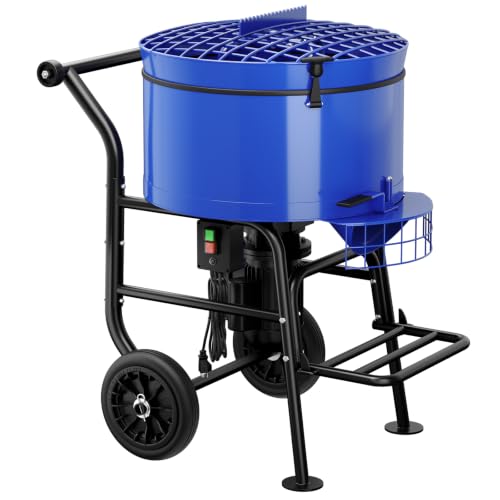 Dkenicor KF100368US-01LHC-001-YIH
 Dkenicor KF100322US-02MLHC-001
 Dkenicor KF100248-02-YH-O
What the term actually means
There is no official definition. People use "poor man's concrete" for a few different materials, and the meaning changes by region and by trade. What they share is the goal: get a firm, durable surface or fill without paying for a fully engineered concrete mix.
Because the phrase is slang, always ask what someone means before following their advice. A person talking about soil cement and a person talking about a lean cement, sand and gravel mix are describing very different products.
The common types
Most uses of the term fall into one of the groups below. Each behaves differently once it sets or is compacted.
| Type | What it is | How it firms up | Typical use |
|---|---|---|---|
| Soil cement | Local soil mixed with Portland cement and water, then compacted | Cement hydrates and binds the soil | Light-duty bases, simple paths, some earthen building |
| Lean concrete | Cement, sand and gravel with less cement than a standard mix | Normal cement curing, but with lower strength | Blinding layers, backfill, non-structural fill |
| Compacted road base | Crushed stone and fines, wetted and compacted | Particles lock together under compaction | Sub-bases, driveways with light traffic, paver bedding |
| Post-setting mixes | Dry-pour or site-mixed concrete used in small amounts | Cement cures with ground moisture or added water | Fence and mailbox posts |
Why people choose it
The main appeal is simplicity. Soil and aggregate are often available on site or nearby, and a lean mix uses less cement than a standard structural mix. For jobs that do not need high strength, that can be a reasonable trade.
It also suits small, forgiving projects. A garden path or a base for a lightweight shed does not need the strength of a driveway slab or a foundation. Using a simpler material there can be perfectly sensible.
When it is a good fit
Think about what the finished surface has to do. If the answer is "hold up a light load and drain water", a lean or compacted mix may be enough.
Good candidates include:
- Walking paths and garden edging
- Bases under pavers or flagstones
- Backfill around fence posts, where the post itself carries the load
- Fill or blinding under a proper slab
- Small pads for items like a rain barrel or a compost bin
When to avoid it
Skip poor man's concrete for anything structural. That includes footings, foundations, load-bearing walls, retaining walls of any real height, steps, and slabs under vehicles heavier than a light car. A weak mix can crack, crumble or settle, and a failure in these places can cause injury or costly repairs.
Wet climates and freezing ground are another concern. Soil-based and lean mixes tend to absorb more water and handle freeze and thaw cycles less well than a proper air-entrained mix. If you live where the ground freezes, check local building guidance before you commit.
For anything that needs a permit or an inspection, use the mix your local code requires. When in doubt, ask a local building department or a structural engineer.
How to mix and place it well
Even a simple mix needs care. Poor preparation causes most failures, not the material itself.
Follow these steps:
- Clear the area and remove topsoil, roots and organic matter, which rot and leave voids.
- Build a firm sub-base and compact it in thin layers.
- Mix thoroughly and add water gradually. Too much water weakens any cement-based mix.
- Place the material in even layers and compact or tamp it.
- Keep cement-based mixes damp for several days while they cure, and protect them from frost and heavy rain.
Mixing equipment and safety
For more than a few shovelfuls, a mixer saves effort and gives a more even blend than hand mixing in a wheelbarrow. If you are weighing options, our guide to the best concrete mixer compares published specifications side by side, so you can match drum size to the size of your job.
Cement is caustic. Wear gloves, long sleeves, eye protection and a dust mask or respirator when handling dry powder. Wet cement can burn skin, so rinse splashes quickly with clean water. If you use an electric mixer, plug it into a GFCI-protected outlet, keep cords out of wet areas, and wear hearing protection if the motor is loud. Lift heavy bags with your legs and use a helper for awkward loads.
If you decide a standard mix is the safer choice, a mixer sized for the batch makes the work easier. You can browse the concrete mixer comparison to see which models suit small garden projects and which suit larger pours.
Frequently asked questions
Is poor man's concrete the same as soil cement?
Sometimes. Soil cement is one common meaning, but the phrase is also used for lean mixes and compacted road base. Check what a person means before you copy their method.
Can I use it for a driveway?
A compacted road base can work as the sub-base of a driveway. A lean or soil-based mix as the finished surface is usually a poor idea unless traffic is very light and local conditions are mild.
Does adding dish soap or other household additives make it stronger?
No reliable evidence supports that. Strength comes mainly from the right proportions, a sensible amount of water, good compaction and proper curing.
Do I need a mixer for small jobs?
Not always. A wheelbarrow and a hoe are fine for a few small batches. A mixer helps when you have many batches or want a consistent blend.