What Is Paint Correction and How Does a Polisher Fix Paint?
Paint correction is the process of leveling a car's clear coat to remove defects like swirl marks, light scratches, and oxidation. A polisher spins or oscillates a pad with a polishing compound, which removes a very thin layer of clear coat so the surface becomes smooth and reflective again. It is more than simple polishing because it is a planned, multi-step process aimed at fixing the paint, not only adding shine.
 Niusken PGJ-21V-RED
 Niusken PGJ-21V
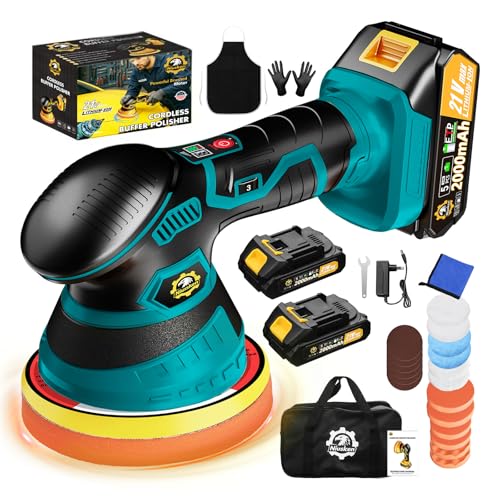 Niusken PGJ-21V-BLUE
What paint correction actually means
Modern car paint usually has a color layer topped with a clear coat. The clear coat is what you see and touch, and it is where most visible flaws live. Wash-induced swirl marks, light scratches, water spot etching, and hazy oxidation all sit in that clear layer.
Paint correction is the work of removing those flaws permanently, not hiding them. Instead of filling a scratch, the process shaves the surrounding clear coat down until the surface is level with the bottom of the scratch. Light then reflects evenly, and the defect disappears.
This is why correction only works on flaws that stay within the clear coat. A scratch deep enough to catch your fingernail has usually gone past it and needs touch-up paint or a body shop.
How a polisher fixes paint
A polisher is an electric tool that moves a foam, microfiber, or wool pad at speed. You add a liquid compound or polish to the pad, and tiny abrasives in the product do the cutting. The machine supplies consistent motion and pressure that hands cannot match over a whole panel.
As the pad works, the abrasives break down and get finer. Early in the pass they cut more, and as they break down they refine the surface. The result is a smoother clear coat with fewer microscopic scratches, which is what makes paint look deep and glossy.
Three things control how aggressive the work is: the pad, the product, and the machine. Firmer pads and heavier compounds cut more. Softer pads and fine polishes refine and finish.
Is paint correction just polishing or buffing?
People use these words loosely, which causes confusion. Polishing is the act of using a polisher and polish on paint. Paint correction is the goal and the full process, which often includes washing, decontamination, inspection, cutting, refining, and protecting.
Buffing is an older term, often used for rotary machines and heavier cutting. In everyday talk, buffing and polishing are often treated as the same thing, but a correction job is more deliberate than a quick buff for shine.
Correction, polishing, and buffing compared
This table shows how the terms usually differ in practice.
| Term | Main goal | Typical approach |
|---|---|---|
| Paint correction | Remove defects from clear coat | Multi-step process with cutting and refining |
| Polishing | Smooth paint and boost gloss | Fine polish on a soft pad |
| Buffing | Quick shine or heavier cutting | Often a rotary machine with a wool or foam pad |
| Waxing or sealing | Protect the finish | Applied by hand or machine after correction |
Dual action versus rotary polishers
Most beginners choose between two machine types. A rotary polisher spins the pad on a single fixed axis. It cuts fast but generates heat quickly, so it takes practice to avoid burning through paint.
A dual action polisher spins the pad and also wobbles it in an offset pattern. This spreads heat and lowers the risk of damage, which is why it is the common starting point for home users.
| Feature | Dual action | Rotary |
|---|---|---|
| Motion | Spins and oscillates | Spins on one axis |
| Cutting speed | Moderate | Fast |
| Heat buildup | Lower | Higher |
| Learning curve | Gentler | Steeper |
| Best for | Beginners and enthusiasts | Experienced users and heavy defects |
The basic correction process
Every project is different, but the general order stays the same. Working in a shaded spot on cool paint gives the product time to work and keeps it from drying out.
Here is the usual sequence:
- Wash the car thoroughly and dry it.
- Decontaminate the paint with a clay bar or clay mitt so the pad does not drag grit across the surface.
- Tape off trim, rubber, and sharp edges.
- Do a test spot on a small section to find the least aggressive pad and product that works.
- Work in small sections with slow, overlapping passes and light pressure.
- Wipe off residue and inspect under good light.
- Finish with a wax, sealant, or coating to protect the corrected paint.
Safety and limits to respect
Plug the polisher into a properly grounded outlet and keep cords away from the pad and wet areas. Never use a corded tool on wet ground or while standing in water. Wear safety glasses, because compound can sling off the pad, and consider hearing protection if the machine is loud.
Clear coat is thin, and every pass removes some of it. Edges, body lines, and raised panel creases have less coating, so keep the pad flat and avoid pressing hard on them. If the paint looks uneven, stop and reassess instead of repeating the same spot.
When you are working on a roof, hood, or truck, use a stable step stool and do not stretch from a ladder. A fall is a bigger risk than any paint flaw.
Choosing a polisher for the job
Once you understand the process, the machine choice gets easier. Look at pad size options, speed control, power delivery, weight, and cord length, because these affect comfort and control over long sessions.
If you want a shortlist built around this task, see our best polisher for paint correction comparison. If you are also considering general-purpose machines for other jobs, our best polisher page compares a wider range. Both are based on published specifications.
Frequently asked questions
How long does paint correction last?
The defects you remove stay gone, since the clear coat is leveled. New swirls can return if the car is washed poorly, so gentle washing and a protective layer help keep the finish looking good.
Can paint correction fix every scratch?
No. It handles flaws within the clear coat. Deeper scratches that reach the color layer or primer need touch-up paint or professional repair.
Do I need to wax after polishing?
Yes, protection is recommended. Polishing leaves the paint clean and bare, so a wax, sealant, or coating helps guard the finish.
Can a beginner do paint correction at home?
Yes, many people do, especially with a dual action machine. Start on a small test area, use light pressure, and move up in aggressiveness only if needed.