What Is Electrical Tape Used For? Uses, Limits and Safety
Electrical tape is a stretchy, pressure-sensitive tape, usually made of vinyl (PVC), that insulates wire splices and protects cables. It is also called insulating tape, vinyl tape or PVC tape. For wiring work, choose vinyl tape rated for 600V, and never substitute duct or foil tape on live conductors.
 Scotch 6132-BA-10-1-10Best overall
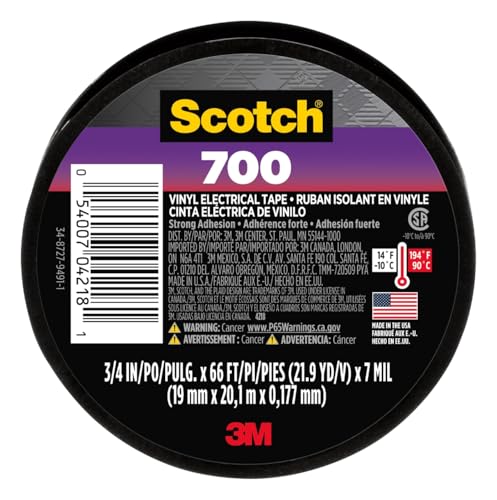 Scotch 700Single-roll Scotch pick
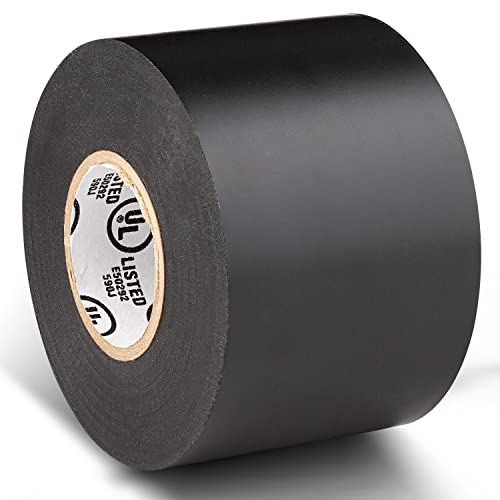 Tapix ET266BWidest tape in the lineup
The main job: insulating and protecting wire
Electrical tape exists to cover conductive material so it can't touch anything it shouldn't. Wrapped over a spliced wire, it helps prevent short circuits and shields you from accidental contact with bare metal.
The tape is stretchy, so it hugs irregular shapes like wire nuts, connectors and bundled cables. That stretch also keeps the wrap tight as you pull it, which helps it stay put. Quality vinyl tape also resists moisture, abrasion and many common chemicals, so it doubles as a protective jacket over a repair.
Common uses around the home and shop
Most people reach for electrical tape in a few familiar situations. Here are the most common ones:
- Insulating wire splices and connections, usually over a wire nut or connector.
- Repairing a frayed or nicked cord insulation on a small appliance or charging cable (replace a cord that is badly damaged).
- Bundling and harnessing wires, such as in automotive, RV or marine wiring.
- Color coding circuits, phases or cables with blue, yellow, red and other colors.
- Marking tool handles, hoses or cable ends so they are easy to tell apart.
- Adding a layer of jacketing over a cable splice for abrasion and weather protection.
What electrical tape is not for
Electrical tape has limits. It is not a permanent fix for damaged wiring, and it does not replace a proper connector, a new cord or a junction box. If insulation is cracked, burned or brittle, replace the wire instead of wrapping it.
Duct tape and foil tape are not rated to insulate live conductors, so keep them away from this job. Foil tape actually conducts electricity, which makes it the wrong choice around wiring. Also avoid using electrical tape as a hot-surface wrap. Check the temperature range first, since published max ratings on the tapes we compare run from 176°F to 221°F among models that list one.
What the specs mean when you buy
Reading a package takes less effort once you know four numbers. Voltage tells you if the tape can serve as primary insulation. Temperature range tells you where it will stay stuck. A UL listing shows third-party certification, such as to the UL510 standard. Width and roll length decide how fast you work and how much you get.
For example, the Scotch Super 33+ in our top pick is a 7 mil vinyl tape rated for 600V, with a stated range of 0°F to 220°F, and it is UL listed. It comes as ten 66 ft rolls, 0.75 in wide. Our best electrical tape page puts several products on one spec sheet so you can compare these numbers side by side.
Here is how common widths and roles fit together, based on the tapes we compare:
| Width | Good for | Example on our page |
|---|---|---|
| 0.5 in | Small wire and tight spots | RED WOLF, 3 rolls of 66 ft |
| 0.75 in | Everyday splices and general repairs | Scotch Super 33+, 10 rolls of 66 ft |
| 2 in | Large cables, bundles and conduit | Tapix, one 66 ft roll |
How to wrap a splice safely
Safety comes first. Turn off power at the breaker and confirm the circuit is dead with a tester before you touch any wire. Tape is insulation, not a reason to work on live circuits.
Then follow these steps:
- Make the connection with a proper connector or wire nut, and make sure no bare copper is exposed.
- Clean and dry the wires. Tape sticks poorly to dust, oil and moisture.
- Start the tape a little before the splice and wrap with a half overlap on each turn.
- Stretch the tape gently as you go so it conforms, but don't pull it so hard that it thins out.
- Extend the wrap past the end of the connection, then finish with a final wrap and press the tail flat.
- Add a second layer if you want extra protection, and keep the finished splice inside a junction box if code requires it.
Picking a color
Black is the default for general insulation and weather exposure. Colored tape is mostly for identification. Blue and yellow are handy for phase marking or labeling circuits, and our page includes UL listed 600V rolls in both colors.
Keep in mind that color alone doesn't change the electrical rating. Check the same specs on any color before you buy. For a quick compare of widths, rolls and ratings, see our electrical tape comparison.
Frequently asked questions
What is electrical tape called?
It is also known as insulating tape, vinyl tape, PVC tape or friction tape in some cases. Most modern rolls are PVC, so vinyl tape is the term you will see most.
Can electrical tape be used outdoors?
Yes, if the tape is made for it. Look for a stated temperature range and resistance to moisture and UV. Some tapes on our comparison list a minimum of 0°F, which helps in cold weather.
Does electrical tape stop a fire?
No. Some tapes are flame retardant, which means they resist burning, but tape can't fix overloaded or damaged wiring. Treat it as insulation only.
Can I use electrical tape on a hot wire?
Only with the power off. Wrapping splices on a live circuit is dangerous, and tape is not a substitute for shutting off the breaker first.
How long does electrical tape last?
It depends on heat, sunlight and how well it was applied. Check the circuit now and then, and replace tape that is dry, cracked or peeling.