What Is Ear Protection and What Types Exist?
Ear protection, also called hearing protection or hearing protectors, is any device that lowers the sound reaching your eardrums. The two main families are earplugs, which sit in the ear canal, and earmuffs, which cover the whole outer ear. Within those, you can choose passive designs that only block sound or active (electronic) designs that use microphones and circuitry to let quiet sounds through.
 Walker's GWP-RSEMBest overall
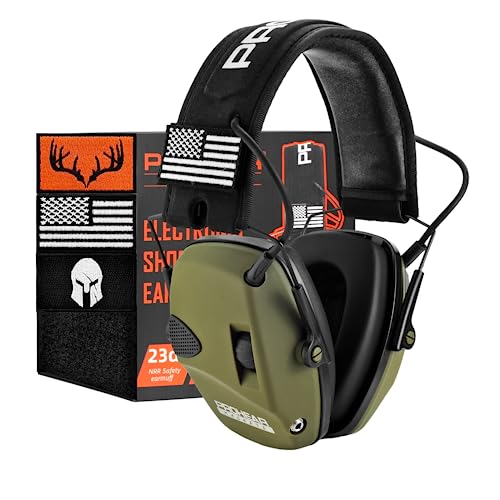 PROHEAR PROHEAR 066Light electronic, long battery
 Pro For Sho PAS-GYHigh NRR, low weight
What ear protection is and what it is called
Ear protection is gear that reduces how loud a noise is by the time it reaches your inner ear. You will see it called hearing protection, hearing protective devices, hearing protectors, or simply earplugs and earmuffs. In shooting and construction settings, people often say "ear defenders" or "ear pro."
The goal is not silence. It is to bring loud, harmful sound down to a safer level while keeping you aware of what is going on around you. Lawn mowers, chainsaws, power tools, gunfire, concerts and motorsports are all common reasons to wear it.
Hearing damage from loud noise builds up and does not heal, so protection works best when you put it on before the noise starts, not after.
The main types of ear protection
Most products fall into a few groups. Earplugs are small and portable, and they suit people who wear glasses, helmets or hats. Earmuffs are easier to put on and take off, and they are simple to size because one band adjusts to most heads.
Some people combine the two. Wearing earplugs under earmuffs is a common approach in very loud settings, such as a gun range.
| Type | How it works | Good for | Keep in mind |
|---|---|---|---|
| Foam earplugs | Roll down, insert, and expand to fill the ear canal | Workshops, yard work, travel | Need correct insertion to seal; usually single-use |
| Pre-molded earplugs | Flanged silicone or rubber plugs that are washable and reusable | Frequent on-off use | Fit varies by ear canal size |
| Custom-molded earplugs | Made to the shape of your ears | Regular long-term use | Require a fitting appointment |
| Semi-insert (banded) plugs | Two plugs joined by a band | Quick on-off at a job site | Seal depends on band pressure |
| Passive earmuffs | Foam and a hard shell block sound; no electronics | Power tools, range, events | Bulkier; cannot boost quiet sounds |
| Electronic earmuffs | Microphones and circuitry let speech through and limit loud sounds | Shooting, hunting, team work | Need batteries; usually lower NRR in our lineup |
Passive vs. active (electronic) ear protection
Passive ear protection has no electronics. The cup shell, the foam inside it and the cushion seal against your head all work together to cut sound. Passive muffs have no batteries to fail and they cannot boost quiet sounds. In our lineup, the passive models that list a type run from 27 dB to 37 dB NRR.
Active ear protection, also called electronic ear protection, adds microphones and a small amplifier inside the cups. The microphones pick up quiet sounds such as speech or footsteps and play them back at a comfortable level. When a loud noise like a gunshot arrives, the circuitry limits the sound. The PROHEAR 066 listing, for example, describes amplifying low-level sounds up to 4x and suppressing harmful noise in under 0.01 seconds, powered by two AAA batteries.
Some electronic muffs also include an audio input jack. The Walker's Razor Slim Electronic Earmuffs list one, which lets you plug in a phone and listen while still wearing hearing protection.
One point of confusion: active ear protection is not the same as noise-cancelling headphones. Noise-cancelling headphones are built for comfort and music, not to guard against harmful noise, so check for a stated NRR before using any product as hearing protection.
How to read the ratings
The noise reduction rating, or NRR, shows how many decibels a device can take off under lab conditions. A higher number means more blocking. Our best ear protection page compares products from 22 dB to 37 dB NRR, so you can see how the numbers line up against type and weight.
Real-world protection is usually lower than the printed number, because it depends on how well the product seals on your head. Glasses arms, hair and a loose fit can all break the seal.
Look for standards too. Several products in our lineup list ANSI S3.19 or CE EN 352 certifications. Those listings tell you the product was tested to a recognized method.
How to choose the right type
Start with what you will do and for how long. Then match the type to the job. Here is a simple way to narrow it down:
- Heavy, constant noise such as a mower or chainsaw: look for a higher NRR. A passive muff like the Decibel Defense Ear Muffs lists 37 dB, and the Pro For Sho Ear Muffs list 34 dB at 7.2 oz.
- Conversation or range commands: consider electronic muffs. The PROHEAR 066 lists 23 dB NRR, 9.6 oz and 300 hours of battery life.
- Music or podcasts while you work: look for an audio input, like the one listed for the Walker's Razor Slim Electronic Earmuffs (23 dB NRR).
- Long wear: check weight, cushion material and headband adjustment. Padded headbands and foam or gel cushions help spread pressure.
- Shooting with a rifle or shotgun: choose low-profile cups so the stock sits against your cheek without breaking the seal.
Fit, comfort and care
A good fit matters as much as the rating. The cups should fully cover your ears, and the cushions should sit flat against your head with no gaps. Pull long hair out from under the cushions, and take care with thick glasses frames, which can leave small leaks.
Some muffs feel snug at first on purpose, because a snug seal improves noise reduction. A couple of listings suggest stretching the band gently over a box to loosen it. Check the maker's guidance for your pair.
Check cushions now and then for cracks, flattening or dirt, since a worn cushion lets sound in. With electronic muffs, replace batteries on schedule and check that both cups are working before you head out. Our best ear protection comparison also notes which products list cushion materials and headband types, so you can see what each maker publishes.
Safety notes
Wear protection before the noise starts and keep it on for the whole task, because even short exposure without it adds up. If your ears ring after a noisy job, that is a sign the sound was too loud for the protection you used.
Electronic muffs do not make unsafe noise safe. Amplification is meant for low-level sounds, so keep the volume at a level where you can still judge your surroundings.
Do not use headphone-style or music-only earbuds in place of hearing protection around loud equipment. Around moving machinery, stay alert to what is near you even with muffs on.
If you shoot, protect your eyes as well as your ears. Safety glasses go with ear protection for shooting, power tools and yard work that throws debris.
Frequently asked questions
Is ear protection the same as a hearing aid?
No. Ear protection lowers the loudness of sound to protect your hearing. A hearing aid amplifies sound for someone with hearing loss. Electronic muffs boost quiet sounds, but they are made to protect, not to treat hearing loss.
Can I wear earplugs and earmuffs together?
Yes. Many people double up in very loud places, like a gun range. The combined protection is less than the two ratings added together, but it can still help in extreme noise.
Do kids need ear protection?
Children's ears can be harmed by loud noise as well. Choose a product made for a smaller fit. The Pro For Sho Ear Muffs list an adjustable fit from kids through adults, while the Decibel Defense Ear Muffs list an adult fit.
Do electronic earmuffs need batteries?
Yes. Electronic models are battery powered, so keep spares on hand. The PROHEAR 066 lists 2 AAA batteries and 300 hours of battery life. Passive muffs need no batteries.