What Is Another Name for a Crowbar? Common Names Explained
Another name for a crowbar is a pry bar, or prybar. You will also hear wrecking bar, pinch bar, gooseneck and, in the UK and Australia, jimmy or jemmy. The word crowbar most likely comes from the bent, forked end that looks like a crow's foot or beak, though the exact origin is not settled.
 Titan 11509Lightest in the lineup
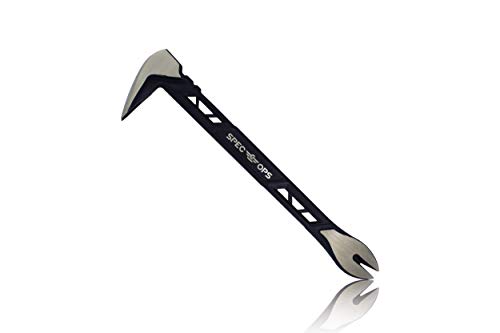 Spec Ops SPEC-D10CLAWBest for pulling nails
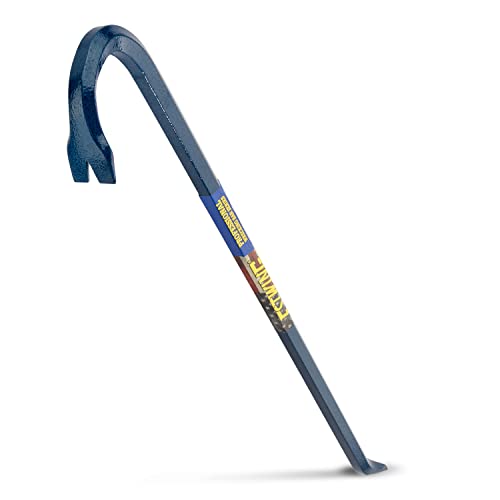 Estwing EWB-30Classic forged gooseneck
The most common other names for a crowbar
People use several names for the same basic tool: a hard metal bar that gives you leverage to pry, lift or pull things apart. Which name you hear depends on the job, the region and the shop you are standing in.
Here are the names you will run into most often:
- Pry bar or prybar: the broadest and most common alternative. It covers everything from tiny flat bars to long straight ones.
- Wrecking bar: usually a longer, heavier bar for demolition, often with a curved neck and a nail slot at one end.
- Pinch bar: a bar with a pointed or wedge-shaped tip, often used to nudge heavy objects a short distance.
- Gooseneck: a nickname for a wrecking bar with a curved neck, like the Estwing gooseneck models on our comparison page.
- Pig bar: a less common colloquial term for a similar heavy bar.
- Jimmy or jemmy: a name used in the UK and Australia, often for a shorter bar. It is also tied to forced-entry slang, so most tool makers avoid it in product names.
- Handspike: an older word for a lever bar, mostly seen in dictionaries and historical writing.
Why is it called a crowbar?
The most common explanation is the shape. Many crowbars have one end that bends and splits into a claw, which resembles a crow's foot or beak. The name stuck because it is easy to picture and easy to say.
Word histories like this are hard to prove, so treat the crow's foot idea as the popular explanation, not a certain fact. What we can say is that the name describes a tool shape that has been around for a very long time: a strong bar, a bent end and plenty of leverage.
That bent end is not just for looks. The curve lets you slip under a board or a nail head, then rock the bar to lift. The slot or claw grips the nail, and the long handle does the work.
Crowbar, pry bar and wrecking bar: is there a real difference?
In everyday speech, people swap these names freely. In stores and product listings, the names often point to a size or shape. Our best crowbar page notes that many bars sold as crowbars are really small flat pry bars, so it pays to check the shape and length instead of trusting the name alone.
The table below shows how the names tend to line up with real products from that page.
| Name you may see | Typical shape | Example from our page |
|---|---|---|
| Flat pry bar or scraper | Thin flat bar for trim, tight gaps and cleanup | Titan Stainless Pry Bar Scraper, 9.25 in, 0.1 lb |
| Cat's paw nail puller | Short bar with claws for digging out nails | Spec Ops Cat's Paw, 10 in, 0.7 lb |
| Gooseneck wrecking bar | Curved neck with a slotted hook end | Estwing EWB-30, 30 in, forged one-piece steel |
| Demo wrecking bar | Long, heavy bar for demolition | Spec Ops 30in Demo Wrecking Bar, 6.4 lb |
| Curved pry bar | Very long bar for heavy lifting | Mayhew Dominator Pro, 58 in, 9.32 lb |
Which name should you search for when shopping?
If you want a classic bar for demolition or stuck framing, search for wrecking bar or gooseneck. Those terms tend to bring up longer, stronger tools. If you mostly work on trim, baseboards or small repairs, search for pry bar or flat bar instead.
Whatever name you use, the specs matter more. Our comparison covers the points that count:
- Construction: a forged one-piece bar has no joints to loosen or break. The Estwing gooseneck models and the Olympia wrecking bar list this.
- Length: longer bars give more leverage. The lineup on our page runs from 9.25 in to 58 in.
- Weight: heavier bars add force but tire your arms faster. Pick the weight you can control.
- Nail puller slot: useful for framing and cleanup. Nine of the top ten bars on our page list one.
Names in other countries
In the UK and Australia, a small crowbar is often called a jemmy or jimmy. In the US, pry bar and wrecking bar are the standard retail terms, and crowbar is the word most people say out loud. If you shop on a site based in another country, try both names, since the same tool may be filed under a different word.
You can see how these tools stack up side by side on our crowbar comparison, which lists length, weight, material and features for each bar.
Safety notes before you use one
A crowbar looks simple, but it stores a lot of force. A bar that slips can hit you or break something you did not mean to touch.
Follow these basics:
- Wear safety glasses. Nails, splinters and chips can fly when something lets go suddenly.
- Wear sturdy gloves to protect your hands from sharp edges and pinch points.
- Keep your body out of the line the bar will travel if it slips.
- Check for hidden wiring, pipes and gas lines before you pry into walls or floors. Cutting power at the breaker first is a smart habit.
- Do not strike a bar unless the maker says it is designed for it. A strike cap or a forged one-piece build suggests it is meant to be struck.
- When prying overhead or from a ladder, set your footing first so a sudden release does not throw you off balance.
Frequently asked questions
Is a crowbar the same as a pry bar?
Often, yes. In casual use the names overlap. Some people reserve crowbar for a longer bar with a bent, clawed end, and pry bar for any flat or straight bar.
What is a gooseneck bar?
It is a wrecking bar with a curved neck, usually with a chisel end and a slotted hook for pulling nails. The curve helps you get leverage when prying boards.
Is a jemmy the same as a crowbar?
A jemmy, also spelled jimmy, is a British and Australian word for a short crowbar. Both words describe a bar used for prying.
Can I use a crowbar to pull nails?
Yes, if the bar has a slot or claw at one end. Slide the nail head into the slot, then rock the bar to lift the nail out. Bars without a slot are harder to use for this job.