What Is an Oil Filter Wrench and How Does It Work?
An oil filter wrench is a hand tool that grips the outside of an oil filter so you can turn it loose when your bare hands can't. Cap-style sockets fit a filter's end exactly and turn with a ratchet. Pliers, straps and 3-jaw wrenches clamp around the canister and tighten as you pull.
 Felisbieti TZ-1Best for cartridge filters
 WORKPRO W114083ABest adjustable pliers
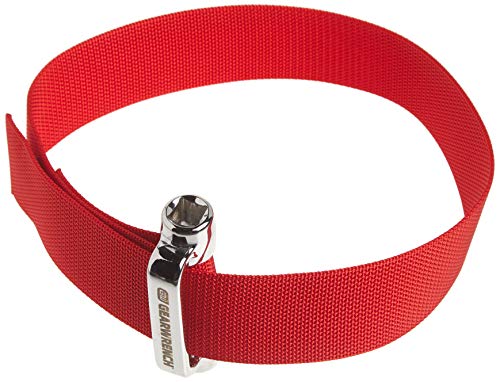 GEARWRENCH 3529DBest for trucks and tractors
What an oil filter wrench does
An oil filter wrench gives you grip and leverage on a part that is usually round, smooth and covered in oil. A filter can also become hard to turn if it was overtightened last time or has baked on after thousands of miles. Your hand simply can't hold on well enough to break it free.
The tool solves two problems at once. It grips the filter far better than skin can, and it lets you add a handle, a ratchet or a breaker bar for extra turning force. Most wrenches are used for removal. Some, especially sockets and strap wrenches that take a ratchet, also help you tighten the new filter to the right snugness.
How the different designs work
All oil filter wrenches turn the filter by gripping it, but they grip in different ways. Which one you need depends on what kind of filter your engine uses.
Spin-on filters are metal canisters that screw onto the engine. These respond to tools that wrap around the outside, such as pliers, straps, bands and 3-jaw wrenches. Cartridge filters are different. The paper element sits inside a housing, and you remove a cap to reach it. Those caps need a tool that fits their shape exactly.
Here is how the main styles compare.
| Style | How it grips | Best for | Example from our data |
|---|---|---|---|
| Cap socket | Fits over the filter end or cap and turns on a ratchet | Cartridge housings and filters with a matching size | Felisbieti 27mm low-profile 6-point socket, 1/2 in drive |
| Cap-style flute wrench | Engages the fluted edge of the cap | One specific filter family | Motivx Toyota wrench, 64.3mm 14 flute, 3/8 in drive |
| Adjustable pliers | Jaws clamp the canister as you squeeze the handles | A range of spin-on sizes | WORKPRO pliers, 2-3/8 to 4-1/2 in |
| Strap wrench | A loop of nylon or rubber tightens around the filter | Large or delicate filters | GEARWRENCH strap wrench, filters up to 9 in |
| Swivel or band wrench set | Bands or swivel heads wrap the canister | Owners with several vehicles | DURATECH 8-piece set, 2.75 to 5.25 in |
What is an oil filter socket or cap wrench?
An oil filter socket and an oil filter cap wrench are essentially the same idea. Each is a cup-shaped tool that slips over the end of the filter or its housing cap, much like a socket slips over a bolt head. You attach a ratchet or breaker bar to the drive and turn.
The shape inside the cup matters. A 6-point design, like the Felisbieti socket, grips the flat sides of the cap and helps avoid rounding the corners. A fluted design, like the Motivx wrench, matches the ridges around a cartridge cap. Motivx describes its notchless design as avoiding the tabs on the cap, which is meant to keep them from cracking.
The tradeoff is fit. A cap socket fits one size, so you need to know your filter. It does well in tight engine bays, though. A low-profile socket needs little clearance, which is why it suits crowded engine compartments.
How pliers, straps and 3-jaw wrenches grip
Pliers use leverage. You set the jaws around the filter, and squeezing the handles tightens them. The harder you turn, the harder they bite. That makes pliers good at stubborn filters, but the teeth can dent the canister. This is fine when you are throwing the filter away anyway.
Strap and band wrenches use friction. The strap wraps around the filter and tightens as you turn the handle, spreading the force evenly. A strap that is oil resistant works better, and a clean, dry strap grips best. ValueMax advises wiping oil, water and fuel off its rubber straps before use, and it lists maximum torque limits for each strap, so stay within them.
A 3-jaw wrench works like a small chuck. Three jaws close on the filter and self-adjust to its diameter, so you don't need to size it by eye. Wrenches that take a 3/8 or 1/2 in drive, like the GEARWRENCH strap wrench, let you use your ratchet for extra leverage.
How to use an oil filter wrench safely
Whatever style you pick, the basic steps are similar. Work with a cool engine, because exhaust parts and oil can be hot enough to burn you.
Safety comes first. If you raise the car, use jack stands on level ground. Never rely on a jack alone. Wear safety glasses, since oil can drip or spray when the filter breaks loose, and wear gloves to protect your skin from used oil.
- Warm the engine briefly, then let it cool until it is safe to touch. Park on a flat surface and set the parking brake.
- Place a drain pan under the filter before you loosen anything.
- Position the wrench near the base of the filter, where the shell is strongest, and apply steady pressure. Avoid crushing the canister.
- Turn counterclockwise. Pull toward you rather than pushing, so your hand doesn't slam into something if the filter lets go suddenly.
- Once it breaks free, finish unscrewing by hand and keep the open end upright to limit spills.
- Fit the new filter according to the filter maker's instructions. Many people tighten by hand rather than using a wrench, and you should never tighten more than the instructions say.
How to choose the right oil filter wrench
Start by finding out which filter you have. Check your owner's manual or the old filter for its type and diameter. If you have a cartridge housing, choose an exact-fit cap socket. If you have a spin-on canister, pliers, straps, bands or a 3-jaw tool will work.
Next, check the size range. Adjustable tools in our data run from about 2-3/8 in up to 9 in. Make sure your filter falls inside the range of the tool you pick. Also consider access. Swivel heads, angled jaws and low-profile sockets all help in cramped spaces.
If you own more than one vehicle, a multi-piece set may save you from owning several single-purpose tools. If you want to compare specs side by side, our best oil filter wrench page lines up sockets, pliers, straps and sets on one sheet, so you can match the size range and drive size to your car.
One more tip. Pairing a cap socket or strap wrench with a ratchet gives you better control than a hand-only tool. For a deeper look at which tool suits trucks, Toyota cartridges or tight engine bays, see our oil filter wrench comparison.
Frequently asked questions
Can I remove an oil filter without a wrench?
Sometimes, if the filter was only hand tightened. A rubber glove or a dry cloth can add grip. If the filter is stuck, forcing it by hand or with improvised tools risks damaging the filter or the engine, so a proper wrench is safer.
Do oil filter wrenches work on both removal and installation?
Most are made for removal. Sockets and strap wrenches that fit a ratchet can also help you install a new filter, but follow the filter maker's tightening instructions and avoid overtightening.
Why does my cap socket not fit?
Cap sockets match one size or shape. Filters differ by brand and engine, so check the socket size, such as 27mm, against your filter or housing cap before you buy.
Will pliers damage my filter?
The teeth can dent or puncture the canister. That matters little if you are replacing the filter, but a strap or band wrench is gentler if you want to keep the shell intact.