What Is a Mechanic Tool Box Used For?
A mechanic tool box is used to store, organize, protect and move the hand tools and small power tools a mechanic works with. It keeps sockets, wrenches and other gear sorted, locked up and within reach. The term covers everything from a small carry box to a large rolling chest with many drawers.
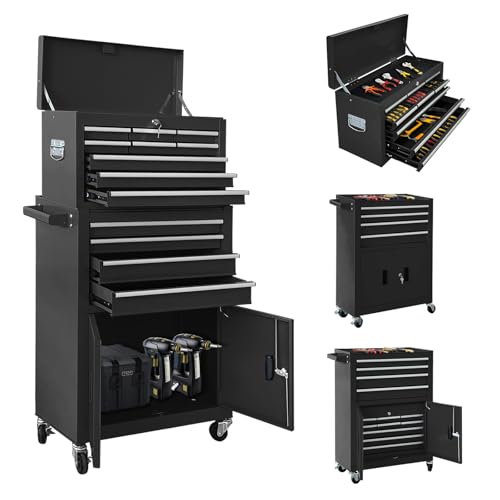 Sormols No.1Best overall
 HAUTMEC HT0428-TCHighest load capacity
 Jack Boss ASRJF-C3002Small carry-along box
What a mechanic tool box actually does
At its simplest, a mechanic tool box is a place where tools live between jobs. Mechanics own a lot of small, heavy, easy-to-lose items, so a box with a lid or drawers keeps them from ending up scattered across a garage floor or lost under a car.
Beyond storage, a good box saves time. When every socket and wrench has a home, you spend less time hunting and more time working. It also protects the tools themselves from moisture, dents and dust, which helps them last longer.
- Storage: keeps tools in one place instead of loose on benches and shelves.
- Organization: separates sockets, wrenches, pliers, screwdrivers and specialty tools by type or size.
- Protection: shields tools from knocks, dirt and, with a good finish, rust.
- Security: locks or latches keep tools from walking off or spilling when moved.
- Transport: handles or wheels let you take tools to the car, the truck bed or another part of the shop.
What it is called and what the name means
People use several names for the same idea. You will hear tool box, tool chest, tool cart, roller cabinet and workstation. There is no strict rulebook, but the words usually hint at the shape and size.
A tool box is often the smaller, portable version with a lid, a handle and sometimes a lift-out tray. A tool chest usually means a larger unit with several drawers. A tool cart or rolling chest adds wheels. A workstation, like the 72 in HAUTMEC on our comparison pages, combines drawers with a work surface and extra storage.
When someone says a tool box is a tool box for mechanics, they mostly mean one built to handle heavy steel tools and daily use. That usually points to steel construction, smooth drawers and a lock, rather than a light box meant for a few household screwdrivers.
Main types and what each is best for
The right type depends on where you work and how much you carry. The table below uses examples and published specifications from our best tool box for mechanics page, so you can see how the numbers change as the box gets bigger.
| Type | Example | Drawers | Empty weight | Fits best |
|---|---|---|---|---|
| Small carry box | Jack Boss 16 in | None listed (removable tray) | 5 lb | Car trunk, home repairs |
| Portable drawer box | VEVOR 24 in | 5 | 27.56 lb | Carrying drawers to a job |
| Light rolling chest | Goplus | 5 | 38 lb | Light garage use |
| Compact rolling cart | Maxority | 7 | 60 lb | Small shop or garage |
| Rolling chest | Sormols | 13 | 73 lb | Home garage with many tool groups |
| Workstation | HAUTMEC 72 in | 15 | 405.6 lb | Full shop with a fixed spot |
What goes inside
Most mechanics group tools by job. Sockets and ratchets often share a drawer, wrenches get another, and pliers, screwdrivers and specialty items fill the rest. Larger drawers suit impact tools or bulky pieces, while shallow ones keep small parts from piling up.
Drawer liners help here. Several listings in our data mention liners that protect tools from scratches and cut down on rattling when the box moves. Top trays are handy for the tools you grab most, such as a screwdriver or a few sockets.
Some boxes add hooks, pegboards or a power strip. These extras are useful in a fixed shop, but they add size and weight, so think about whether you need them before you pay for the space.
How to choose one for your work
Start by counting your tool groups, not by chasing the biggest number. Five drawers can be plenty for a focused kit, while a full set of sockets, wrenches and power tools may need many more. If you carry heavy tools, check load capacity and whether the listing names ball-bearing slides, since those help loaded drawers glide.
Then think about movement. A rolling chest with brakes is easier to reposition, but a larger one is harder to move once it is full. If you work from a truck, our best tool box for truck page covers boxes that suit that setup. If you want wheels and drawers in a garage, see the best rolling tool box comparison.
If your problem is more about sorting small items than carrying heavy ones, a drawer or tray system may fit better. Our best tool box organizer system page looks at that side, and best tool box gives a broader view across styles.
Safety and care
A loaded box is heavy, so treat it with respect. Lock the casters before you load or unload, and keep heavy tools in the lower drawers so the chest is less likely to tip. Load only what the box is rated to carry, and if a listing gives no load figure, ask the seller before adding power tools.
When rolling a chest across a floor, pull the drawer lock or latch first so drawers do not slide out. Keep your fingers clear of drawer edges and lids. Lift with your legs, and get help with larger units.
If you use a box with a built-in power strip, plug it into a properly rated outlet and keep cords away from water and oil. Wear eye protection and hearing protection when you work with the tools you take out of the box, especially around grinders and impact tools.
For upkeep, wipe off oil and moisture, check that slides and latches work, and keep the box on a dry surface. Steel boxes with a powder-coat finish resist scratches better, but they still need a dry spot to last.
Frequently asked questions
Is a tool box the same as a tool chest?
Not always. Tool box usually means a smaller, portable unit with a lid. Tool chest usually means a larger unit with drawers, and it may sit on wheels.
Do I need a locking tool box?
A lock is worth having if your tools are valuable or you move them between places. It also keeps drawers shut while you roll the box across the floor.
Can a mechanic tool box hold power tools?
Yes, if it is built for the weight. Look for a published load capacity and smooth slides, and avoid overloading drawers.
Should my first tool box be big or small?
Pick a size that matches the tools you own now, with a little room to grow. A box that is too large takes up space and gets heavy when full.