What Is a Folding Electric Bike? Pros and Cons Explained
A folding electric bike is a bicycle with a hinged frame and a battery-powered motor that assists your pedaling. It collapses into a compact shape for storing in a closet, carrying onto transit, or loading into a car. The main benefits are portability and easy storage, while the main drawbacks are extra weight, small wheels, and more parts that need regular checking.
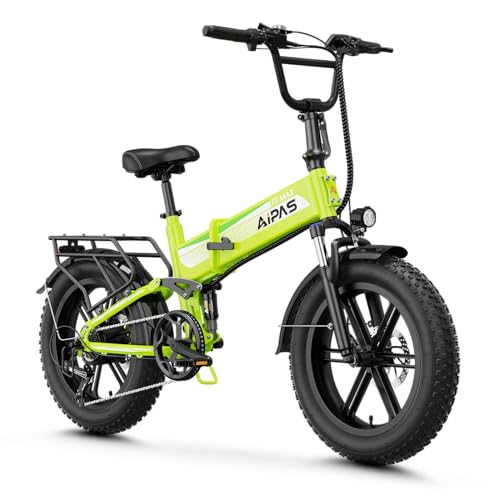 Aipas F3 MAXBest for hills and range
 DTTZH A12Best for keyless starting
 URLIFE F1LBest compact commuter
What a folding electric bike is
A folding electric bike, often called a folding e-bike, combines two ideas. The first is a frame with hinges and latches that let it fold down to a fraction of its riding size. The second is an electric assist system: a motor, a rechargeable battery, and a controller that adds power when you pedal.
Most models are pedal-assist, which means the motor helps only while you turn the cranks. Some also have a throttle that powers the bike without pedaling. Which of these is legal where you live depends on your local rules, so check them before you buy.
Compared with a regular e-bike, a folding model trades some ride comfort and range for convenience. Compared with a regular folding bike, it adds weight and charging needs in exchange for easier hills and longer trips.
How the folding mechanism works
Folding designs vary, but most follow the same basic pattern. Knowing the steps helps you judge how quick and secure a bike will be in daily use.
- The frame hinges near the middle, usually with a quick-release latch and a safety lock.
- The handlebar stem folds down or tilts to the side, so the front end gets narrower.
- The pedals often fold flat or can be removed, which saves more space.
- The seat post drops down into the frame, bringing the overall height down.
- Some models also let the front wheel tuck against the rear wheel, so the folded bike can stand on its own or roll like a suitcase.
The main advantages
The biggest advantage is storage. A folded bike fits in a hallway, under a desk, or in a closet, so you do not need a garage or a rack. That also makes it safer from theft, since you can bring it indoors instead of locking it outside.
Portability is the second strength. Folded bikes fit in many car trunks and can go on trains or buses when the operator allows it. This makes them handy for mixed trips, such as riding to a station, then walking the last stretch with the bike beside you.
The motor assist is the third. It makes hills, headwinds, and longer distances feel more manageable, and it helps riders who would otherwise arrive sweaty or tired. If you like the idea of taking one outdoors, our guide to the best folding electric bike for camping shows how these bikes fit into trunk-packed trips.
The main drawbacks
Weight is the most common complaint. A battery and motor add mass to a frame that you may need to lift into a car or carry up stairs. A bike that rolls well when folded can still be awkward to carry, so check the published weight before you decide.
Small wheels are another trade-off. They make the bike nimble and compact, but they feel twitchier at speed and can be less comfortable over potholes, gravel, or rough pavement. Riders used to full-size wheels may need a few rides to adjust.
Folding bikes also have more moving parts. Hinges, latches, and telescoping posts all need to stay tight and clean. A loose latch is a real safety issue, so regular checks matter more than on a fixed-frame bike.
Finally, range and battery care require attention. Cold weather and heavy loads can shorten how far a battery takes you, and the battery needs proper charging and storage to last.
Folding e-bike vs standard e-bike
This table gives a general comparison. Exact figures vary by model, so use manufacturer specifications when you shop.
The right pick depends on how you will use the bike most days.
| Factor | Folding e-bike | Standard e-bike |
|---|---|---|
| Storage | Compact, fits in small spaces | Needs a garage, rack, or hallway |
| Portability | Fits in many trunks and transit | Usually needs a bike rack |
| Ride feel | Nimble, can feel busy at speed | Steadier on rough roads |
| Weight to carry | Often heavy for lifting | Rarely carried, mostly rolled |
| Maintenance | Extra hinges and latches to check | Fewer mechanical parts |
| Best for | Mixed commutes, small homes, travel | Longer rides, rough surfaces |
Who it suits and what to check before buying
A folding e-bike makes the most sense if space is tight, you combine biking with other transport, or you want a bike you can bring into the office. It is less suited to riders who mainly cover long distances on rough roads, where bigger wheels give a calmer ride.
Before you choose a model, compare these points in the specifications:
- Folded dimensions, to confirm it fits your trunk, closet, or train.
- Total weight, since you will lift it.
- Battery capacity and stated range, keeping in mind that real range varies with load, terrain, and weather.
- Rider and cargo weight limits.
- Brake type and tire size.
- Whether the motor is pedal-assist only or includes a throttle.
Safety notes
Always wear a properly fitted helmet, and consider lights and reflectors for riding at dusk or night. Before every ride, make sure the folding latch is fully closed and locked, and that the handlebar and seat post clamps are tight.
Follow the manufacturer's instructions for charging. Use only the charger supplied for your battery, charge on a hard, non-flammable surface away from anything that burns, and do not leave it charging unattended for long periods. Stop using a battery that is swollen, damaged, or unusually hot.
Do not carry a folded bike by a part that is not designed to bear its weight, and be careful with heights, such as lifting it onto a high rack, to avoid back strain.
Frequently asked questions
Can a folding e-bike be ridden without the battery?
Yes, in most cases you can pedal it with the motor off, but the added weight of the motor and battery makes it harder work than a regular bike.
Do folding e-bikes need special maintenance?
They need the usual bike care, such as brakes, tires, and chain, plus regular checks of hinges and latches to make sure they stay tight and move freely.
Are folding e-bikes allowed on public transit?
Rules differ by operator and city. Many allow folded bikes, but some limit them at peak times or restrict batteries, so check before you travel.
Is a folding e-bike a good choice for a first e-bike?
It can be, especially if you have limited space or want to combine riding with transit. If you plan mostly long rides, a standard frame may feel more stable.