What Is a Fire Hose Reel and How Does the System Work?
A fire hose reel is a fixed firefighting device: a length of semi-rigid hose wound on a rotating drum and permanently connected to a building's water supply. You pull the hose out, open the valve, and aim the nozzle at the fire. The system lets trained occupants fight a small fire early, before the fire service arrives.
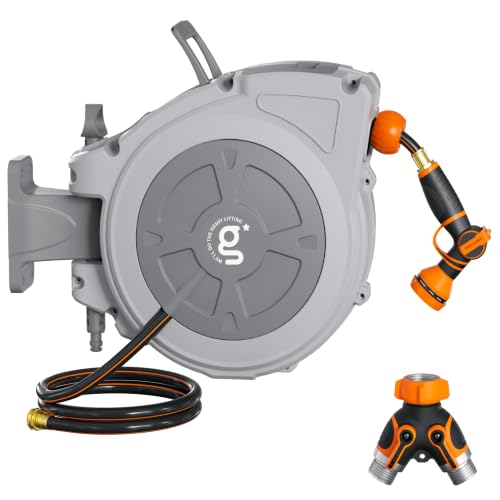 Giraffe Tools MWBest overall
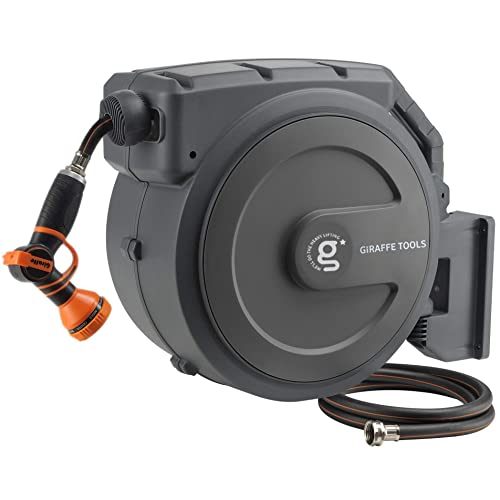 Giraffe Tools AW40-1/2Most retractable hose
 Liberty Garden 712Lightest, widest swivel
What a fire hose reel is
A fire hose reel is a permanent piece of fire protection equipment. It is mounted on a wall or inside a cabinet and plumbed into a water pipe, so it is ready whenever someone needs it. The hose stays coiled on a drum until it is pulled out.
The hose is semi-rigid, which means it keeps a round shape even when empty. That matters in a fire. A flat canvas hose has to be unrolled and filled before it works, while a semi-rigid hose can be pulled out of the reel and used right away, and water can start flowing before the hose is fully extended.
People also call it a hose reel in fire fighting, a fire hose reel system, or simply a hose reel. The names all point to the same idea: a first-response tool for small fires, used by people who know how to use it.
How the system works step by step
The whole system is simple on purpose. Water comes from a dedicated pipe, passes through a valve, travels through the drum and hose, and leaves through the nozzle. There is no pump for the user to start and no hose to connect.
- Water supply: a pipe from the building's water main or a fire water tank feeds the reel. Larger buildings may use a pump to keep pressure steady.
- Isolation valve: this valve controls the flow to the reel. It is usually closed until needed, and on many designs it opens as you pull the hose or when you turn a handle.
- Drum and swivel inlet: the drum turns as you pull. A swivel fitting lets water enter the drum while it rotates, so the hose does not twist off.
- Hose: you walk the hose to the fire. Pull out only as much as you need, and unwind the whole length before the water flows if the manufacturer says to.
- Nozzle: this shuts the water on and off at the end of the hose. Many nozzles also change between a jet and a spray pattern.
The main parts at a glance
Each part has one job. Knowing them helps you read an inspection tag or a maintenance report.
The table below summarizes the usual parts of a fixed reel.
| Part | What it does |
|---|---|
| Drum | Holds the coiled hose and rotates as the hose is pulled out |
| Semi-rigid hose | Carries water and keeps its shape when empty |
| Swivel inlet | Lets water flow into a drum that is turning |
| Isolation valve | Opens or shuts the water supply to the reel |
| Nozzle | Controls the water flow and often the spray pattern |
| Guide arm or roller | Directs the hose out smoothly in different directions |
| Bracket or cabinet | Holds the reel in place and keeps it protected |
What a hose reel cabinet is
A hose reel cabinet is an enclosure around the reel. It is usually a metal or sometimes plastic box with a door that opens easily, and it is often painted red or marked clearly so people can spot it from a distance.
The cabinet protects the hose, drum and valve from dust, knocks and tampering. It also keeps the equipment visible and in a known place. In some buildings it sits recessed in a wall, which keeps corridors clear. In others it is surface mounted.
Whether a cabinet is needed, and how it must be marked, depends on local fire codes and the building's fire safety plan. Check with your fire authority or a qualified fire protection company.
Where hose reels fit with other fire equipment
A hose reel is one layer of protection. It sits between a portable extinguisher and the fire service's own equipment.
An extinguisher is quick and easy but holds a limited amount of agent. A hose reel can supply water for much longer because it is connected to a continuous source. A fire hydrant, in contrast, is meant for firefighters, who bring their own hose and training.
Water is not right for every fire. Do not use a water hose reel on live electrical equipment, cooking oil or fat fires, or flammable liquid fires. Water can spread burning liquids or conduct electricity. Choose the right tool for the hazard, and know which one your building provides.
Safety and upkeep
Only people who have been trained should use a fire hose reel, and nobody should stay in a fire that is growing, filling with smoke or blocking the way out. If the fire is more than small, leave and call emergency services.
A few habits keep the equipment dependable:
- Keep the area in front of the cabinet clear at all times.
- Have a qualified fire protection company inspect and service the reel on the schedule your local rules require.
- Report leaks, cracked hose, a stuck drum, a missing nozzle or a damaged cabinet right away.
- Never use the reel for washing floors or other jobs, since that wears the hose and may leave the valve in the wrong position.
- Switch off power to nearby electrical equipment only if you can do it safely, and never spray water at live electrics.
Do not confuse it with a garden or air hose reel
The word reel appears in other products that have nothing to do with fire protection. A garden hose reel stores a watering hose and is not designed or approved for fighting fires. If you are shopping for outdoor watering, our best hose reel comparison covers capacity, mounting and swivel angle. On that page, listed capacities run from 78 ft to 225 ft.
Likewise, a reel for compressed air tools is built for a different job. If you work in a garage or workshop, see our best air hose reel page. Neither type replaces a certified fire hose reel or an extinguisher in a building that needs fire protection.
Frequently asked questions
Can anyone use a fire hose reel?
They are designed to be simple, but training is strongly recommended. Staff in many workplaces are shown how to use one as part of fire safety training.
Is a fire hose reel the same as a fire hydrant?
No. A hydrant is an outlet for the fire service, who connect their own hoses. A hose reel is a ready-to-use hose with its own nozzle for occupants.
Does a hose reel need electricity?
The reel itself works with water pressure and manual pulling, so it does not need power to operate. Some buildings use electric pumps to supply pressure, so ask your facility manager how yours is fed.
How do I know if my building needs hose reels?
It depends on the building type, size and local fire code. A fire protection professional or your local fire authority can confirm what is required.