What Is a Deadbolt and How Does It Work?
A deadbolt is a lock with a solid metal bolt that slides from the edge of your door deep into the door frame. It only moves when you turn a key, a thumb turn or a smart lock command, so pushing or prying on the door does not retract it. That is why it gives much more protection than a spring latch alone.
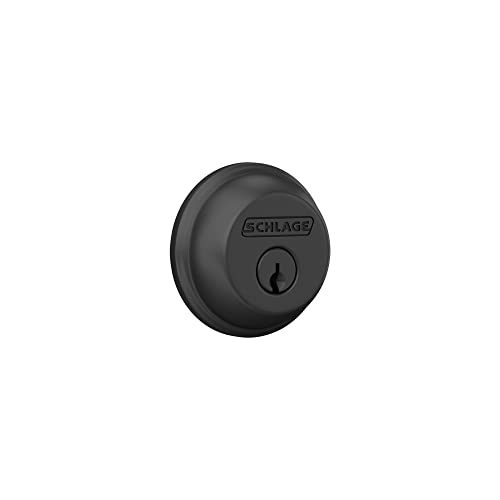 SCHLAGE B60N622Best overall
 BESTTEN DK1-ET-SNDurable keyed knob
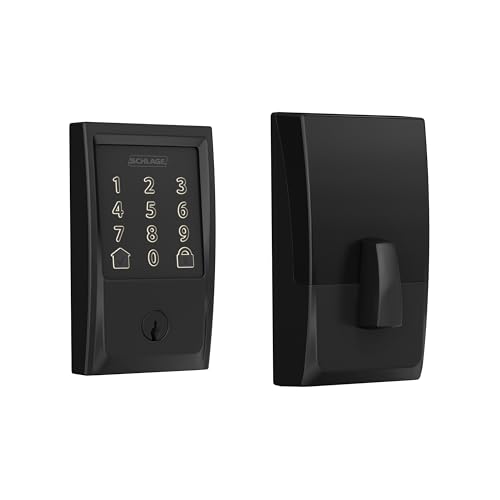 SCHLAGE BE489WBCEN622Smart lock with alarm
What a deadbolt is
A deadbolt is a door lock built around a rigid metal bolt. When you lock it, the bolt extends from the edge of the door into a hole in the door frame, called the strike plate opening. The bolt stays there until you deliberately pull it back.
Most homes have two locks on an entry door. The knob or lever lock holds the door closed day to day. The deadbolt sits above it and adds a second, stronger layer of security.
How a deadbolt works
Inside the door, a cylinder connects to the bolt. Turning the key (or the thumb turn on the inside) rotates a cam, which pushes the bolt out or pulls it back. Nothing in the mechanism is spring loaded, so the bolt cannot be pushed back by force on the door edge.
Here is what happens when you lock the door:
- You turn the key outside or the thumb turn inside.
- The cylinder rotates a cam or spindle in the lock body.
- The cam drives the bolt out through the door edge.
- The bolt enters the strike plate and the door frame.
- The bolt stays extended until you turn the key or thumb turn the other way.
Why it is called a deadbolt
The name comes from how the bolt behaves. A regular latch is spring loaded, so it can slip back when you push on it. A deadbolt has no spring doing the work. The bolt is "dead" because it only moves when a key, a thumb turn or a motor turns the mechanism.
This is also why a deadbolt holds up better against a credit card slipped between the door and frame. A beveled spring latch can be pushed back that way, but a straight, extended bolt cannot.
Common types of deadbolts
Deadbolts differ mainly by how you operate them from each side. Smart versions add electronics on top of the same basic bolt.
Our best deadbolt page covers several of these styles on one spec sheet, including keyed and smart models.
| Type | Outside | Inside | Good to know |
|---|---|---|---|
| Single cylinder | Key | Thumb turn | Most common for homes |
| Double cylinder | Key | Key | Needs a key to exit, which can slow escape in a fire |
| Keypad or smart | Code, fingerprint, app or key | Thumb turn or touchscreen | Needs batteries; some need WiFi |
| Keyed alike set | Key | Thumb turn | Several locks open with one key |
What to check before you buy
A deadbolt that does not fit your door will not secure it. Measure first, then compare security details.
The security grade is the clearest sign of how a lock resists force. On our comparison page, Grade 1 is the top grade listed, and the Schlage B60N622 carries it. Grade 3 appears on two models. Many makers publish no grade at all, so you cannot compare them on this point.
Also check door thickness and backset (the distance from the door edge to the center of the lock hole). The Schlage B60N622 fits doors 1.375 in to 1.875 in thick and backsets of 2.375 in or 2.75 in. The Philips 4200 Series reaches 2 in thick doors. Our deadbolt comparison lists the full ranges.
Cycle ratings count full lock and unlock operations. Only 8 of 31 products on our page publish one, so treat it as a durability hint rather than a deciding factor.
Key or smart: which suits you
Keyed deadbolts have fewer parts and need no batteries or WiFi. The Comfhouse keyed deadbolt weighs 0.8 lb and lists 250,000 cycles and 3 keys.
Smart models add codes, alerts and remote control. The Schlage Encode supports up to 100 access codes and has a built-in alarm for forced-entry attempts, but it weighs 3.4 lb. Choose based on who needs access and how often.
Be careful with look-alikes. Some products in the lineup are knobs or interior privacy levers, not true deadbolts. A privacy lever has no bolt into the frame and is not meant for exterior security.
Safety and installation notes
Most deadbolts install with a screwdriver, but a few safety points matter.
Wear safety glasses when drilling or chiseling a door. If you must cut new holes, use a proper hole saw and clamp the door steady.
Think about fire escape. A double cylinder deadbolt needs a key on both sides, so keep a key close but out of reach from outside. Check local rules before using one.
For smart locks, use only the battery type the maker lists, and replace batteries before they run out so you are not locked out.
Strengthen the setup with a strike plate secured by long screws that reach the wall stud. A strong bolt is only as good as the frame holding it.
Frequently asked questions
Is a deadbolt better than a regular door lock?
Usually yes for security. A regular knob lock uses a spring latch that can be pushed back, while a deadbolt uses a rigid bolt that stays extended until you move it.
Can a deadbolt work on any door?
Not always. The door must have the right thickness, backset and bore hole size. Measure these before you buy, since a lock that does not fit does not secure anything.
Do smart deadbolts still have a real bolt?
Yes. A smart deadbolt uses the same kind of solid bolt, but a motor and electronics move it in addition to a key or thumb turn.
Where should a deadbolt go on a door?
Install it above the knob or lever lock, usually around the middle of the door edge, so the bolt lines up with a reinforced strike plate in the frame.