What Diagnostic Tool Do Mechanics Use and Why?
Mechanics use professional scan tools, usually a handheld or tablet that connects to the car's OBD2 port. These tools read codes from many modules, show live sensor data, and on higher-end models run bidirectional tests and service resets. Mechanics choose them because they find the cause of a fault faster than a basic code reader can.
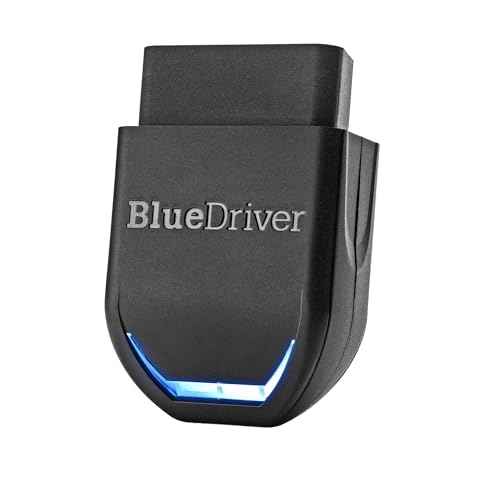 BlueDriver ProBest overall
 FOXWELL NT604EliteBest handheld 4-system
 XTOOL XTOOL D5 OBD2 Scanner Diagnostic ToolBest for home maintenance
The short version: scan tools, plus know-how
Most mechanics start with a scan tool that plugs into the OBD2 port, the standard diagnostic socket found on gas vehicles built in 1996 or newer. The tool talks to the car's computer modules and reports what they have stored.
The tool is only part of the job. A trouble code points to a system or circuit, not always to a bad part. Mechanics pair the scan data with other checks, such as a visual inspection, a multimeter or a test drive, before they replace anything.
The main types of diagnostic tools in a shop
A working shop usually owns more than one kind of tool, because each one answers a different question. The table below shows the common types and what they do.
Our best professional car diagnostic tool page puts several scanners on one spec sheet if you want to see how these categories compare.
| Tool type | What it does | Typical user |
|---|---|---|
| Basic code reader | Reads and clears engine codes | Drivers checking a warning light |
| Mid-level scan tool | Adds ABS, airbag and transmission modules plus live data | Home mechanics and small shops |
| Bidirectional scanner | Commands parts to run, and performs service resets | Working technicians |
| Full-system or make-specific scanner | Reaches nearly every module, often with deeper brand coverage | Shops and specialists |
| Multimeter and test light | Checks voltage, resistance and circuits | Every mechanic |
Why mechanics prefer more than a code reader
A basic reader tells you that a code is stored. A professional tool tells you what was happening when it set. That context saves time and prevents guesswork.
These are the features mechanics lean on most:
- Multi-system access: ABS, SRS (airbag), transmission and body modules, not only the engine.
- Live data: sensor readings you can watch while the engine runs or the car is driven.
- Freeze frame data: a snapshot of conditions at the moment a fault was logged.
- Bidirectional control: the tool commands a component, such as a fan or valve, so you can confirm whether it works.
- Service functions: battery registration, brake bleeding, oil light reset and similar tasks that many modern cars require.
Why brand coverage matters
Cars from different makers use different software, and some faults only show up with deeper access. A generic tool covers many brands at a moderate depth. A make-specific tool goes further on one brand.
For example, our best diagnostic tool for BMW page covers scanners built around BMW and MINI systems. Shops that see one brand all day often add a tool like that to their general scanner.
Before buying any scanner, check your vehicle against the coverage list. Functions and data vary by make, model, year and control module.
What the product data shows
Several tools on our spec sheet are the kind a home mechanic might choose. They show how the categories differ in practice.
The BlueDriver Pro covers Engine, ABS/SRS and Transmission over Bluetooth, and works with a phone or tablet. It lists live data, freeze frame, smog readiness and a 9,000-code DTC database.
The FOXWELL NT604 Elite is a wired handheld with the same four-system reach and lifetime free updates. Its listing states that it does not support bidirectional tests, ABS bleeding, oil reset or other service functions.
The XTOOL D5 adds 10 service functions, including EPB service, ABS bleeding, throttle body relearn and oil reset. It also lists lifetime free updates and a 2-year warranty. Functions vary by vehicle make, model, year and ECU.
How to choose and use one safely
Start with the systems you need, then the makes you work on, then the format. Handhelds work on their own. Bluetooth tools rely on a phone or tablet. Also check the update terms, since software needs to stay current to cover newer cars.
If you are building out a home garage, a good tool set for mechanics and a sturdy tool box for mechanics cover the hands-on side once the scan tool has pointed you to the problem.
Safety notes to keep in mind:
- Do not scan or clear codes while driving. Have a helper read the screen, or park first.
- Run the engine only in a well-ventilated area, since exhaust contains carbon monoxide.
- Keep hands, hair and loose clothing away from belts and fans, which can start unexpectedly during bidirectional tests.
- Support the car on jack stands, never on a jack alone, before working underneath it.
- Wear eye protection when working near the engine, brakes or battery.
- Fix the underlying problem before clearing a code. A cleared code does not repair the fault.
Frequently asked questions
Can a basic OBD2 reader do what a mechanic's scanner does?
Not fully. A basic reader handles engine codes. Mechanics usually need other modules, live data and service functions that basic readers do not offer.
Do I need bidirectional control at home?
Not always. It helps when you want to confirm a fault by commanding a part to run. For reading codes and watching data, a four-system scanner is often enough.
Will clearing a code fix the problem?
No. Clearing a code only erases the stored record. If the fault remains, the warning light and code will return.
Why do updates matter?
Updates add coverage for newer vehicles and fix software issues. Check whether a tool lists free updates and for how long.