What Causes Most Garage Fires and How Do They Start?
Electrical problems are the most commonly cited cause of garage fires, such as overloaded outlets, damaged cords and faulty wiring. Flammable liquids, heat sources like water heaters and space heaters, and stored clutter round out the usual list. Most of these fires start small, so good habits and a properly rated extinguisher make a real difference.
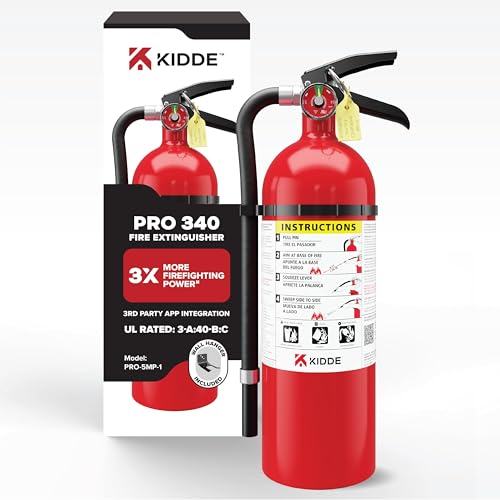 Kidde PRO-5MP-1Best overall
 Kidde FA110GLightest in the lineup
 Kidde KD143-210ABC12-year life with mount
The short list of common causes
A garage mixes things that rarely share a room in the rest of the house: fuel, electricity, tools, heat sources and a lot of stored stuff. Fires tend to start where two of these meet. A spark finds fumes, a hot surface touches cardboard, or a worn cord overheats behind a pile of boxes.
Electrical malfunction is the cause named most often by fire safety agencies. After that, the usual suspects are flammable liquids, fuel-burning appliances and heaters, and combustible clutter that gives a small fire something to grow on. The table below puts the main ones side by side.
| Cause | How it starts | What helps |
|---|---|---|
| Electrical faults | Overloaded outlet, damaged cord, loose connection or faulty wiring heats up and ignites nearby material | Avoid daisy-chained power strips, replace worn cords, use a licensed electrician for wiring |
| Flammable liquids | Gasoline, paint thinner or solvent vapors reach a spark or pilot flame | Store in approved, tightly closed containers, away from heat |
| Heat sources | Water heater, furnace, space heater or hot tool sits too close to combustibles | Keep a clear zone around anything that makes heat |
| Clutter and paper | Boxes, rags, wood and cardboard catch from a small ignition source and spread the fire | Keep storage off the floor and away from appliances |
| Oily rags | Rags soaked with certain oils or stains can heat up on their own in a pile | Lay flat to dry outdoors or store in a sealed metal container |
| Battery charging | Damaged or poorly charged batteries overheat | Charge on a hard surface, never under a pile of items, and never unattended for long |
Electrical problems: the quiet starter
Garages often have fewer outlets than people need, so extension cords and power strips pile up. Cords that run under a shelf, through a door gap or under a stored item can get pinched or hot without anyone noticing. A short in damaged wire can create a spark right beside cardboard or wood.
Garage tools add to the load. A compressor, a space heater and a battery charger on one circuit can overload it. If a breaker trips often, treat that as a warning and not a nuisance.
Safety note: Do not repair house wiring yourself. If an outlet feels warm, smells of burning or has scorch marks, stop using it and call a licensed electrician.
Flammable liquids and vapors
Gasoline gives off vapors that are heavier than air. They can drift along the floor and reach an ignition source some distance away, such as a water heater pilot light, a spark from a switch or a running tool. That is why a spill can be dangerous even when the liquid itself is across the room.
Paint, solvents, lighter fluid and aerosol cans also belong on the list. Keep them in their original or approved containers, closed tightly, and on a shelf away from heat. Do not store fuel near a gas appliance, and do not refuel small engines while they are hot.
Heat sources, clutter and everyday habits
Many garages hold a water heater, furnace or portable heater. These are fine when they have clear space around them. Problems begin when boxes, paper, paint cans or firewood crowd in close. A little heat over time can ignite materials, and clutter helps flames spread quickly.
Hobby work adds more risk. Welding, grinding and soldering throw sparks, and smoking in a garage mixes ignition with fuel and dust. Sawdust and lint build up in corners and near tools, and they burn easily.
Vehicles are part of the picture too. A car parked in the garage can have leaking fluids or a fault in its wiring. Charging electric bikes, scooters or tool batteries adds another heat source, so use the charger made for the battery and keep the area clear.
- Keep a clear zone around the water heater, furnace and any heater.
- Store flammable liquids in approved containers, away from heat and living space.
- Keep cardboard, paper and wood off the floor and away from appliances.
- Sweep up sawdust and lint regularly.
A simple prevention routine
You do not need a big project to lower the risk. A short check every few months catches most of the common problems before they become fires.
- Look over every cord and plug. Replace any that are frayed, cracked or warm to the touch.
- Count what is plugged into each outlet. Move big loads to separate circuits and skip chained power strips.
- Move flammable liquids to one shelf, closed and labeled, away from heat.
- Clear a path to the door and to your extinguisher.
- Test smoke alarms near the garage entry and replace them on the schedule printed on the unit.
- Check that the extinguisher gauge reads in the green and the pin is in place.
Choosing the right extinguisher for a garage
Because garage fires can involve wood and paper, gasoline and oil, and live electricity, the extinguisher should cover Class A, B and C. That is what an ABC rating means. Our best fire extinguisher for garage comparison lists the ratings side by side so you can match them to your space.
Rating matters more than size at first. For example, the First Alert Garage is rated 10-B:C with no Class A, so it does not cover wood and paper fires. The Kidde Pro 340 carries a 3-A:40-B:C rating with 5.5 lb of agent and an 18 ft range, and it includes a metal wall hanger.
Weight is the tradeoff. More agent lasts longer, but the unit gets heavier, so pick one you can lift and aim with one hand. You can also compare operating temperature and mounting hardware on the garage extinguisher spec sheet, since garages run cold in winter and hot in summer. Mount the unit near the exit so you can grab it on the way out.
If a fire does start
Your first job is getting people out, not saving the garage. Use an extinguisher only if the fire is small, you have a clear way out behind you and everyone else is already safe. Stand back at the unit's stated range and aim at the base of the flames.
Remember the PASS steps: pull the pin, aim low, squeeze the handle and sweep side to side. If the fire grows, smoke thickens or the extinguisher runs out, leave and call 911 from outside. Close the door behind you if you can do so safely.
Safety note: Never use water on a gasoline or electrical fire. Do not go back inside for belongings, and have the extinguisher serviced or replaced after any use.
Frequently asked questions
Can a water heater ignite gasoline fumes in a garage?
Yes, it can. Fumes are heavier than air and can travel along the floor to a pilot light or burner. Keep fuel away from gas appliances and store it in a closed approved container.
Is it safe to leave a car charger or tool battery charging overnight?
It is safer to charge while you are home and awake, on a hard surface with clear space around it. Use only the charger made for that battery and stop if it feels hot or swollen.
How often should I check my garage extinguisher?
Look at it about once a month. The gauge should be in the green, the pin and seal should be intact and the body should show no dents or rust. Follow the maker's guidance on service life.
Do oily rags really catch fire on their own?
Some rags soaked with certain oils or stains can build up heat as the product dries, especially when bunched together. Spread them flat outdoors to dry or keep them in a sealed metal container.