What Are Welding Blankets Made Of? Materials Explained
Most welding blankets are made from woven fiberglass, fiberglass with a silicone coating, or carbon felt. Fiberglass is the common all-around choice, while carbon felt is thicker, does not shed glass fibers and can list higher heat ratings. The right material depends on how hot your work gets and how much you will handle the blanket.
 Matace FIREMAT060801Best overall
 XOHUYD XOHUYD892Highest heat rating
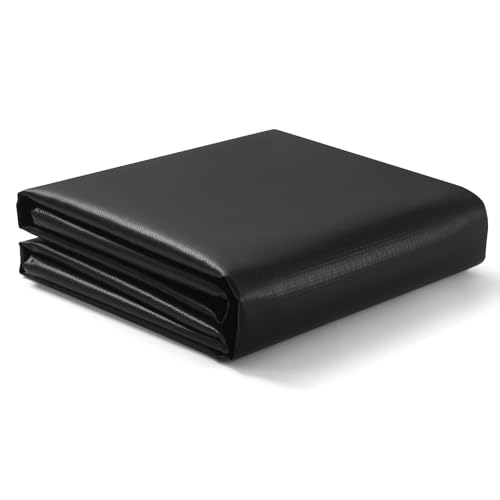 FIREWESS X0-PB5J-WGOYThickest silicone blanket
The three materials you will see most
Browse any set of welding blankets and nearly all of them fall into three groups. Plain woven fiberglass, fiberglass with a silicone coating, and carbon felt. Each one is built to stop sparks, spatter and hot slag, but they feel and behave differently.
The table below uses the specs from the products on our best welding blanket page, so the numbers match what the makers publish.
| Material | Example from our page | Listed max temperature | Listed thickness |
|---|---|---|---|
| Fiberglass | kanhiro 6 x 8 ft | 1022°F | 8 mm |
| Silicone-coated fiberglass | FIREWESS 6 x 8 ft | 1022°F | 20 mm |
| Silicone-coated fiberglass | YESWELDER 4 x 6 ft | 1022°F | 8 mm |
| Carbon felt | XOHUYD 14 x 11 in | 3000°F | 5 mm |
| Carbon felt | Matace 6 x 8 ft | Not published | 5 mm |
Fiberglass: the common base
Fiberglass blankets are woven from fine glass strands. Glass does not burn, and a tight weave blocks flying sparks and spatter from reaching what is underneath. That is why most blankets on the market use it.
Fabric weight tells you how dense the weave is. The kanhiro and YESWELDER listings both give 24.7 oz/yd² fabric, and the kanhiro listing mentions a tight 30 x 30 per square inch weave. A denser, heavier fabric generally holds up better to repeated use.
Fiberglass has one drawback. Loose fibers can sit on the surface, and the kanhiro listing tells you to wear gloves when you handle it. Treat any plain fiberglass blanket the same way.
Silicone-coated fiberglass: glass with a protective layer
A silicone coating is a layer applied over the woven glass. The YESWELDER listing says the coating helps repel sparks, slag and oil, and makes the blanket easier to clean. Coatings can also help keep the fabric together and cut down on loose fibers at the surface.
Thickness varies a lot within this group. The FIREWESS blanket lists 20 mm, while the YESWELDER lists 8 mm. Both list a 1022°F working temperature, so the extra thickness is about bulk and insulation, not a higher heat rating.
Coated blankets usually include metal grommets along the edges so you can hang them as a curtain. The FIREWESS lists eight, and the YESWELDER lists grommets every 11 inches.
Carbon felt: a different kind of fabric
Carbon felt is not woven glass. It is a dense, soft felt made from carbon fibers. The Matace and XOHUYD listings both describe 5 mm thick carbon felt, and both list an ASTM D6413 standard.
The XOHUYD listing states that its carbon felt can handle temperatures over 3000°F and does not shed glass fibers. It also says the felt can be trimmed without fraying and molds around pipes. The Matace listing describes its felt as flexible and cut-to-fit as well.
Carbon felt tends to come in smaller pads. The XOHUYD pieces are 14 x 11 in, which suits soldering or brazing at a bench. The Matace is a larger 6 x 8 ft piece, but it does not publish a maximum temperature, so treat that rating as unknown.
Other materials you may run into
Some blankets use other fabrics or add-ons. You may see silica fabric, which is a high-temperature glass-based cloth, or blankets that include vermiculite, a mineral that expands when heated. These tend to be aimed at heavier industrial work.
If a listing names a material we have not covered, check for a stated maximum temperature and a fire standard. A vague claim like "fire retardant" tells you much less than a number or a named standard.
How to match the material to the job
Start with how hot and how messy the work is, then think about how you will handle the blanket. Our welding blanket comparison puts these specs side by side if you want to narrow things down.
Use these rules of thumb:
- For general welding and grinding with a large area to cover, coated or plain fiberglass at 1022°F is a common fit.
- For hanging as a curtain, pick a blanket with grommets and check that the listing says it is meant to hang.
- For small jobs like soldering or brazing, a carbon felt pad is easy to position and trim.
- If you handle the blanket often and want to avoid loose glass fibers, carbon felt or a coated blanket is a better fit than bare fiberglass.
- If a blanket will protect people or finished surfaces, prefer one that lists a standard such as ASTM D6413.
Safety notes
A welding blanket reduces fire risk, but it does not make hot work safe by itself. Keep flammable liquids, rags and sawdust well away from the work area, and keep a suitable fire extinguisher nearby.
Wear gloves when handling fiberglass, and consider eye protection and a dust mask when moving or cutting glass-based fabric. Always wear proper welding eye and face protection while you work.
Check blankets for holes, thin spots and burned edges before each job. Replace one that is damaged. Never drape a blanket over a hot surface and walk away. Make sure you stay under the temperature rating the maker lists.
Frequently asked questions
Are welding blankets made of asbestos?
Modern welding blankets from the makers on our page use fiberglass or carbon felt. Very old blankets may have contained asbestos. If you have an old, unlabeled blanket, do not cut or shake it, and have it checked before use.
Can I cut a welding blanket to size?
Carbon felt listings from Matace and XOHUYD say the felt can be trimmed. Fiberglass can fray at cut edges and release fibers, so wear gloves and eye protection if you cut it, or choose a size that fits.
Why do some blankets have grommets?
Grommets are metal rings along the edges that let you hang the blanket as a curtain or shield. Some listings say a blanket must be hung, so check the intended use before you buy.
Does a thicker blanket mean a higher temperature rating?
Not necessarily. The FIREWESS lists 20 mm and the YESWELDER lists 8 mm, yet both list 1022°F. The material and the maker's stated rating matter more than thickness alone.