What Are the Three Types of Hammers and What Are They For?
The three most common types are the claw hammer, the ball peen hammer and the sledgehammer. A claw hammer drives and pulls nails, a ball peen hammer shapes and strikes metal, and a sledgehammer delivers heavy force for demolition and driving stakes. To drive a nail into wood, use a claw hammer.
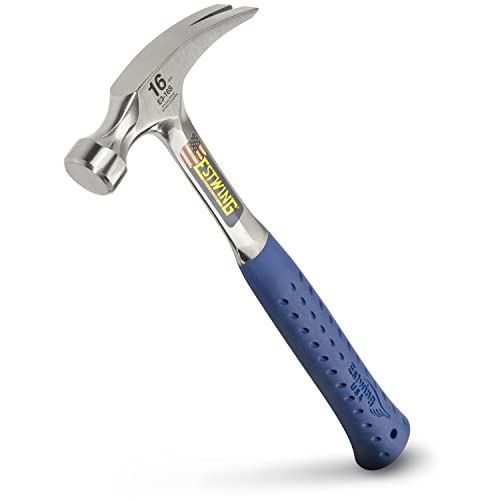 Estwing E3-16SBest overall
 Jorgensen 60102Magnetic starter, 20 oz head
 Estwing E3-16CCurved claw for prying
The three types at a glance
Hammers come in dozens of shapes, but most home and shop work falls into three groups. Each one is built around a different job, so using the wrong one makes the work harder and can damage the tool or the material.
Here is a quick comparison before we look at each type in detail.
| Type | Main use | Head and handle | Best for |
|---|---|---|---|
| Claw hammer | Driving and pulling nails | Flat striking face on one side, split claw on the other | Carpentry, framing, repairs, hanging items |
| Ball peen hammer | Striking and shaping metal | Flat face on one side, rounded ball on the other | Metalworking, striking chisels and punches, setting rivets |
| Sledgehammer | Heavy striking | Large head on a long handle, used with both hands | Demolition, driving stakes, breaking up material |
Claw hammer: the nail driver
The claw hammer is the one most people picture. One side of the head is a flat face for striking, and the other side is a split claw for pulling nails out of wood. It is the standard choice for general carpentry and household repairs.
Claws come in two styles. A rip claw is straighter and suits pulling nails, ripping apart boards and demolition. A curved claw gives more leverage for prying and pulling. Our best hammer page covers both styles, including a 16 oz Estwing rip claw model and a 16 oz Estwing curved claw model listed for added torque when pulling and prying.
Faces differ too. A milled face has a waffle pattern that grips the nail head and helps prevent glancing blows. A smooth face leaves fewer marks on the surface, which is useful for finish work.
Ball peen hammer: the metalworker's choice
A ball peen hammer has a flat face on one end and a rounded ball on the other. The flat face strikes chisels, punches and metal stock. The ball end is used for shaping metal, rounding over edges and setting rivets.
It is not meant for general nailing. The head is usually hardened for working with metal, and the face is not shaped to stay on a nail head the way a claw hammer face is. Without a claw, it also cannot pull nails.
If your projects involve auto repair, sheet metal or light fabrication, this is the hammer to add. For woodworking and home repairs, you can skip it.
Sledgehammer: for heavy force
A sledgehammer has a large, heavy head and a long handle. You swing it with both hands, using the weight of the head to do the work. People use it to break up concrete or masonry, knock down walls during demolition and drive stakes or posts into the ground.
It is the wrong tool for nails and fine work. The head is too big and heavy to control precisely, and a missed swing can do a lot of damage. Choose a size you can swing under control for the whole job, since a head that is too heavy leads to tired arms and sloppy aim.
Which hammer drives a nail into wood?
Use a claw hammer. Its flat face is made for striking nail heads, and the claw lets you fix mistakes by pulling a bent nail right away.
Head weight matters for nailing. Lighter heads suit repairs and trim, while heavier heads drive framing nails faster. The hammers on our best hammer comparison run from 16 oz to 24 oz. A 16 oz head suits general repairs, and heads of 20 oz and up add driving power for framing but take more effort over a long day.
Some models add a magnetic nail starter, which lets you set a nail one-handed. For example, the Jorgensen 20 oz rip claw hammer lists a built-in magnetic nail starter and a milled face.
What to look for in a claw hammer
If you are buying one hammer for around the house, a claw hammer is the right pick. These are the features worth comparing:
- Head weight: 16 oz is a common choice for general repairs, and heavier heads suit framing.
- Handle material: steel is durable and one-piece forged hammers have no joint to loosen, while fiberglass absorbs more vibration. The CRAFTSMAN 16 oz hammer, for instance, has a fiberglass handle.
- Shock reduction: a good grip cuts the sting of repeated strikes. Estwing says its molded grip reduces impact vibration by 70%.
- Claw and face: pick a rip or curved claw and a milled or smooth face based on your usual jobs.
- Length and balance: longer handles add striking power, shorter ones give more control in tight spots.
Safety basics
Wear safety glasses whenever you strike something. Nails, metal chips and concrete can fly off at speed, and hardened metal faces can chip. Hearing protection is a good idea for long sessions with a sledgehammer or when striking metal.
Check the head and handle before each use. Do not use a hammer with a loose head, a cracked handle or a mushroomed, chipped face. Never strike one hammer against another hammer, because hardened faces can shed fragments.
Keep your free hand clear of the strike zone, and use a nail starter or hold small nails with pliers. When swinging a sledgehammer, check that no one is within reach, and keep your footing steady. If you work on a ladder or roof, tether tools where possible so they do not fall. Some models list lanyard compatibility, such as the Spec Ops 22 oz framing hammer.
Frequently asked questions
Can I use a ball peen hammer to drive nails?
You can in a pinch, but it is not a good fit. The face is made for metal work, and there is no claw to pull bent nails.
Is a mallet a type of hammer?
Yes. A mallet has a soft face made of rubber, wood or similar material. It is used where a metal face would dent or mark the work, such as assembling joints or tapping panels into place.
Should I get a steel or fiberglass handle?
Steel is durable but passes more shock to your hand unless the grip is well padded. Fiberglass absorbs more vibration. Pick based on how long you will be hammering at a time.
Can a claw hammer pull large nails?
It can pull most common nails. Curved claws give more leverage for prying, and a side nail puller, which some models include, helps with stubborn nails or tight spaces.