What Are Mechanic Gloves Used For and Who Needs Them?
Mechanic gloves are close-fitting work gloves that protect your hands from scrapes, pinches, grease and light impacts while you keep enough feel to handle tools and small parts. Anyone who works on vehicles, equipment or machinery, from professional technicians to weekend DIYers, can benefit from them. They are not the right choice around spinning parts, and they do not replace specialty gloves for chemicals, heat or sharp blades.
 HANDLANDY 5972Best overall
 JUMPHIGH Washable mechanical work pick
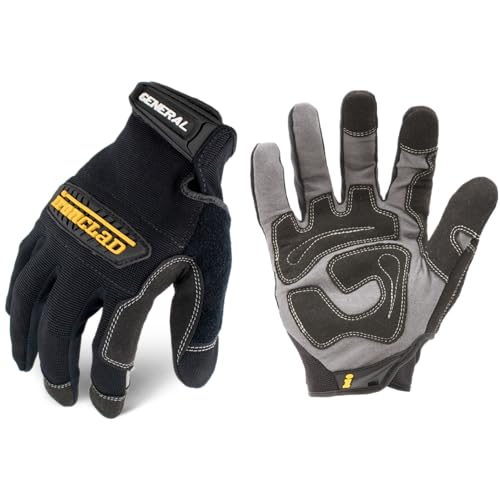 Ironclad GUG-04-LDouble-stitched shop glove
What mechanic gloves are
Mechanic gloves are snug, flexible work gloves built for hands-on repair. Most have a stretchy back, a durable palm and a cuff that keeps the glove in place. Compared with bulky leather gloves, they trade some toughness for dexterity, so you can still thread a bolt or press a small clip.
Many people also call them work gloves, but that term is broader. Work gloves cover everything from thick leather welding gloves to thin knit gloves for gardening. Mechanic gloves sit in the middle: fitted, grippy and padded in the spots where repair work tends to hurt.
What mechanic gloves are used for
The main jobs are grip, protection and keeping your hands clean. A good pair does a bit of each, and the mix varies from glove to glove.
- Grip on greasy or slick tools. Synthetic leather, suede and coated palms give you a better hold on wrenches, sockets and screwdrivers.
- Knuckle protection. Foam, rubber or thermoplastic rubber guards soften the blow when a wrench slips and your hand hits metal.
- Palm padding. Padding helps dampen vibration from hand tools and eases pressure from gripping for long stretches.
- Abrasion resistance. Reinforced fingertips and thumb panels hold up against rough edges, rust and sharp burrs on metal parts.
- Keeping grime off your skin. Gloves keep oil, grease and dirt off your hands, which makes cleanup quicker.
- Touchscreen use. Some gloves have fingertips that work with a phone or tablet, so you can look up a torque spec without taking them off.
Who needs them
Anyone whose hands take regular punishment from metal, tools or dirty fluids can get use out of a pair. That includes professional technicians, equipment operators and maintenance crews. It also includes home mechanics doing brake jobs, oil changes or bike and lawn equipment repair.
Product listings show how wide the range is. One glove on our spec sheet is listed for general construction, maintenance and mechanical work, while another lists military, law enforcement, shooting sports and repair. Others are aimed at shop work, equipment operation and rigging. If you do a mix of tasks, a general-purpose pair is often enough.
Occasional users have different needs than daily ones. If you change a tire twice a year, a lightweight pair that you can wash is plenty. If you spend hours a day with a wrench, knuckle guards, palm padding and reinforced wear points matter more.
Why some mechanics do not wear gloves
You will see plenty of experienced mechanics working bare-handed, and there are good reasons. Gloves reduce feel, which can make tiny fasteners, electrical connectors and delicate clips harder to handle. Some people simply find them hot or bulky for fine work.
Safety is the other reason. Loose or damaged gloves can catch on rotating parts such as drills, belts, fans and bench grinders. Around that kind of equipment, many shops prefer no gloves at all, or a very close fit with no loose cuffs or frayed edges.
So the honest answer to whether mechanics should wear gloves is: often yes, but not always. Use them for heavy wrenching, rough parts and dirty jobs. Take them off near moving machinery, and for tasks where touch matters more than protection.
Common glove types compared
Not every glove marketed for repair is built the same. The table below uses examples from the specs on our ranking page to show how the main styles differ.
Weight per pair among the ranked gloves runs up to 0.31 lb for a heavily padded model with palm impact padding and welded knuckle guards. A thin knit glove like the DULFINE DF148 comes in at 0.0625 lb per pair, so you give up padding in exchange for a lighter feel.
| Style | Typical features | Best for | Watch out for |
|---|---|---|---|
| Fitted synthetic leather | Padded palm, foam knuckles, stretch back, touchscreen fingertips | General repair and maintenance | Padding and knuckle guards vary by model |
| Hook and loop cuff | Adjustable wrist, often machine washable (the JUMPHIGH is listed at 0.2 lb per pair) | A snug, secure fit | Cuff can add bulk at the wrist |
| Elastic cuff | Slips on fast, neoprene knuckle panels on some models | Quick on and off during frequent breaks | Less adjustable than hook and loop |
| Coated knit | Thin nylon shell with polyurethane or nitrile coating, knit wrist | Light assembly and precise work | The DULFINE listing advises against heavy oily or wet conditions |
| Impact-padded | D3O or similar palm padding, TPR knuckle guards | Heavy-duty work with hard strikes | Heavier weight, less feel |
How to choose a pair
Start with what you do most. If you handle greasy tools, palm material and grip come first. If your knuckles take the beating, look for guards and check that the listing actually names them. Some repair-labeled gloves skip knuckle protection, and some padded gloves are listed only for light-duty work.
Fit matters more than most people expect. Loose gloves slip off tools and can snag, while very tight ones tire your hands. A hook and loop cuff lets you adjust, and an elastic or knit cuff helps keep debris out.
Check the care instructions too. Shop gloves get dirty fast, and machine washable pairs are easier to keep up. One listing recommends cool water and air drying to help hold the glove's size. To compare palm material, padding, closure type, washability and weight in one place, see our best mechanic gloves page.
Remember that a listing's stated use is a clue to its limits. A glove listed for yard work or gardening may be fine for a light home repair but a weak fit for daily shop use. Our best mechanic gloves comparison notes these gaps for each pick.
Safety and care
Mechanic gloves are not a catch-all safety solution. Keep these points in mind:
- Do not wear gloves near spinning tools or belts, where they can be pulled in.
- Mechanic gloves are not insulated electrical gloves. Disconnect power and follow proper lockout steps before working on electrical parts.
- They do not protect against hot exhaust parts, welding, strong solvents or sharp blades unless the maker lists that protection. Check the listing for a rating such as an abrasion level, and match it to the hazard.
- Wear safety glasses and hearing protection when the job calls for them. Gloves do not cover those risks.
- Replace gloves that are torn, soaked with solvent or worn through at the palm.
Frequently asked questions
Are mechanic gloves the same as disposable nitrile gloves?
No. Disposable nitrile gloves keep fluids off your skin but offer little padding or abrasion protection. Many mechanics wear them for fluid jobs and switch to mechanic gloves for heavy wrenching.
Can I use gardening gloves for car repair?
For light tasks, sometimes. Thin gardening gloves usually lack knuckle guards and palm padding, and some are not meant for oily conditions, so check the maker's listed limits.
How should I wash mechanic gloves?
Follow the label. One listing on our spec sheet suggests machine washing in cool water and air drying to keep the glove's original size. Gloves with no washing instructions are safer to hand wash gently.
Does touchscreen compatibility matter?
It is a convenience. If you often check a phone or tablet for repair steps, it saves you from removing gloves. It does not change how well a glove protects your hands.
How tight should mechanic gloves fit?
Snug, with no extra fabric at the fingertips. If material bunches or flops, it can slip on tools or snag, and a glove that squeezes your hand will tire it out.