What Are Mechanic Gloves Made Of? Materials Explained
Most mechanic gloves are layered: a synthetic leather or suede palm, a stretchy spandex or mesh back, foam padding, and rubber or plastic knuckle guards. Thin coated knit gloves use a nylon shell with a nitrile or polyurethane coating instead. Disposable nitrile, latex and rubber gloves are a separate category that mechanics wear to keep oil and chemicals off their skin.
 HANDLANDY 5972Best overall
 JUMPHIGH Washable mechanical work pick
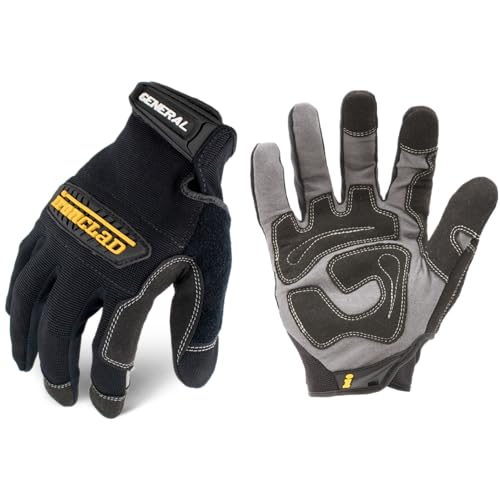 Ironclad GUG-04-LDouble-stitched shop glove
The short version: layers, not one material
A mechanic glove is not made from a single fabric. It is a stack of different materials sewn or welded together, and each part has one job. The palm grips tools, the back flexes and breathes, the padding softens impacts, and the cuff keeps the glove on your hand.
That is why two gloves that look alike can behave very differently. One may have a tough palm and almost no padding. Another may have thick knuckle guards and a thin palm. Knowing the materials helps you read a spec sheet and pick the right pair. Our best mechanic gloves comparison lists these details side by side.
Palm materials: where the grip comes from
The palm takes the most wear, so it gets the most attention. In the gloves we compare, the common choices are synthetic leather and synthetic suede. Both give a grippy, durable surface that handles wrenches, sockets and screwdrivers.
Some designs add real leather in high-wear spots. The JUMPHIGH glove, for example, lists a synthetic leather palm with pigskin leather fingertips and a palm patch. The Mechanix Wear Original Coyote Tactical lists a 0.8mm synthetic leather palm, and the maker states ANSI Level 3 abrasion resistance for its welded finger coverings.
Synthetic palms are popular because they hold their shape, dry reasonably fast and tolerate machine washing on many models. Real leather can feel nice, but it can stiffen after getting soaked with solvents or water, so check the care notes for any glove you buy.
Backs, cuffs and stretch fabrics
The back of the hand does not touch tools much, so makers use stretchy, breathable fabric there. Spandex is common. The HANDLANDY 5972 and the JUMPHIGH both list a stretchable spandex back. Mechanix Wear models use woven mesh (listed as CoolPlus) for ventilation, and the FastFit lists ripstop material along the finger backs for water repellence and durability.
The cuff is just as important as the fabric. Hook and loop closures let you tighten the glove at the wrist. An elastic cuff, like the one on the FastFit, slips on quickly. A knit wrist, as on the DULFINE coated glove, helps keep dirt and debris out.
Padding and knuckle protection
Padding is where gloves differ most. Foam is the usual choice for knuckles and palms, because it is light and absorbs small knocks. Rubberized or thermoplastic rubber (TPR) guards go over the knuckles for harder hits.
Here are the padding materials that show up in the gloves we compare:
- Foam knuckles and foam palm padding (HANDLANDY 5972, JUMPHIGH)
- Rubberized knuckle protection with a padded inner palm (Ironclad GUG04L)
- Neoprene knuckle panels with vented palm heel padding (Mechanix Wear FastFit)
- 2mm D3O palm padding with welded TPR knuckles (the heavier impact pick, at 0.31 lb per pair)
| Part of glove | Typical materials | What it does |
|---|---|---|
| Palm | Synthetic leather, synthetic suede, some pigskin leather patches | Grip and abrasion resistance |
| Back of hand | Spandex, woven mesh, ripstop | Flex, airflow, light water resistance |
| Knuckles | Foam, rubberized panels, neoprene, TPR | Absorbs impact and scrapes |
| Palm padding | Foam, vented heel padding, D3O | Dampens vibration and light strikes |
| Cuff | Hook and loop, elastic, knit | Fit and debris control |
Coated knit gloves: a different build
Some work gloves skip the layered design. They use a thin knit shell, often nylon, with a coating on the palm. The DULFINE DF148 is a good example: a 13 gauge seamless nylon shell with a polyurethane coating. It weighs 0.0625 lb per pair and comes in a 12-pair pack.
The coating is what creates grip. Polyurethane gives a thin, smooth, abrasion-resistant surface. Nitrile coatings, like the one on our nitrile foam coated pick, add a tacky texture that helps on slick tools.
The tradeoff is padding. Coated knit gloves give excellent feel but little impact protection. Read the maker's limits too. The DULFINE listing, for instance, advises against heavy oily or wet conditions.
What is nitrile, and why do mechanics wear it?
Nitrile is a synthetic rubber. You will see it in two places in the shop. One is as a coating on knit work gloves, as described above. The other is as thin disposable gloves, which are a different product from mechanic gloves.
Mechanics wear disposable nitrile gloves mainly to keep hands clean. Nitrile generally resists oils, greases and many fuels better than natural latex does, so it is a common pick for oil changes, brake work and parts cleaning. It also avoids the latex protein that can trigger allergies. Many people wear a disposable nitrile glove under or instead of a fabric mechanic glove when the job is messy but needs no padding.
Latex and other rubber gloves show up for similar reasons: they are stretchy, cheap to swap and give a close fit. Natural rubber latex tends to break down when exposed to petroleum products, and it causes allergic reactions in some people. That is why nitrile has become more common in garages. For any chemical, check the glove maker's compatibility chart, since resistance varies by solvent.
Choosing by material and job
Start with the task, then match the materials to it. For heavy wrenching where knuckles get scraped, look for rubber or TPR guards and a padded palm. For fine work such as electrical connectors or small fasteners, a thin coated glove or a snug synthetic leather glove keeps your feel. For wet, oily jobs, pair a nitrile-coated glove or a disposable nitrile glove with the maker's stated limits.
Also check washability. Several gloves in our comparison list machine washing. One listing suggests cool water and air drying to keep the glove's size. If a glove lists no care instructions, you are guessing. To compare these details across models, see our mechanic gloves comparison.
Safety notes:
- Do not wear loose fabric gloves near spinning tools such as drills, drill presses or bench grinders. They can catch and pull your hand in.
- Gloves with foam or rubber padding are not automatically heat or cut rated. Use ratings listed by the maker, and use proper hot-work gloves around exhaust, brakes or welding.
- Wear safety glasses and hearing protection when you work, since gloves do not protect eyes or ears.
- Wash hands after handling fuels, solvents or used oil, and change gloves that become soaked.
Frequently asked questions
Are mechanic gloves waterproof?
Usually not. Most use breathable fabric on the back and a palm that can soak through. Some have water-repellent ripstop or coated palms, but check the maker's listing for exact limits.
Can I wash synthetic leather mechanic gloves?
Many can be machine washed. Several listings in our comparison say machine washable, and one recommends cool water with air drying to keep the fit. Always follow the label on your pair.
Is nitrile safer than latex for mechanics?
For oils and fuels, nitrile generally holds up better, and it avoids latex allergy concerns. Neither protects against every chemical, so check the maker's guidance.
Do touchscreen fingertips change the materials?
Slightly. Gloves such as the HANDLANDY 5972 and the Mechanix Wear Original list touchscreen compatibility, which relies on thin, conductive-friendly fingertip construction.